
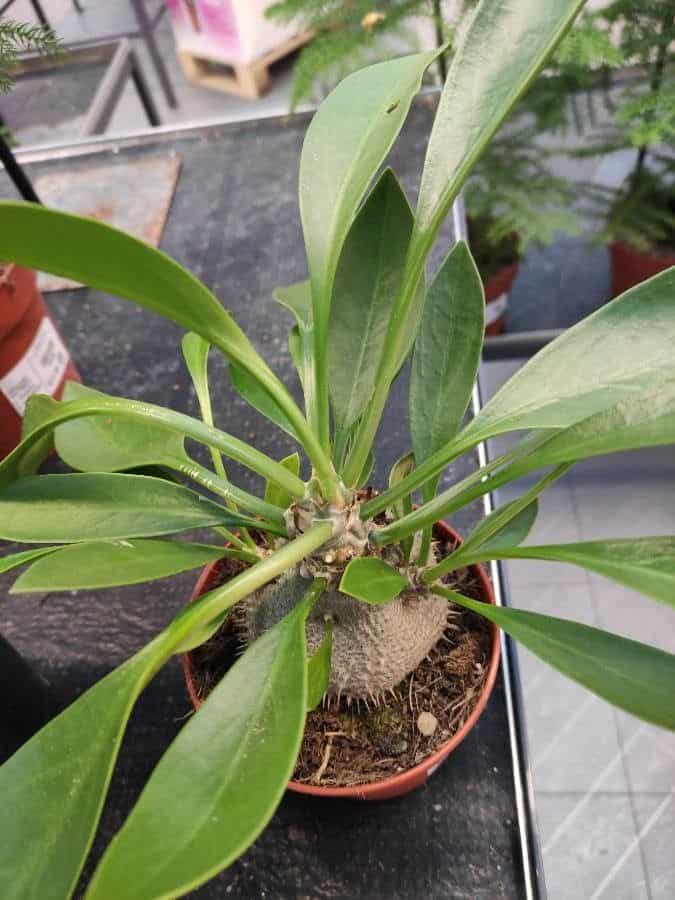
Ant Plant Antics: How to Propagate the Curious Myrmecodia beccarii
Have you ever heard of a plant that rents out rooms to ants? Meet Myrmecodia beccarii, an intriguing epiphyte (meaning it grows on other plants) hailing from the rainforests of Australia and Southeast Asia. But this is no ordinary tenant-landlord situation. Myrmecodia beccarii, fondly nicknamed the "ant plant," forms a fascinating symbiotic relationship with its insect inhabitants.
More captivating than its curious lifestyle, however, is the propagation of this unusual plant. While a tad more complex than your average houseplant, multiplying your Myrmecodia beccarii is an incredibly rewarding endeavor. So, let’s explore the two most effective methods:
1. Seed Propagation: A Test of Patience
The Basics:
In nature, Myrmecodia beccarii produces small, fleshy fruits that are readily devoured by birds. The seeds, once deposited elsewhere, germinate and start their life clinging to a tree branch. To replicate this process:
- Source the Seeds: Your best bet is to purchase seeds online from reputable retailers specializing in unusual plants.
- Prepare the Planting Medium: A well-draining, airy mix is crucial. A combination of sphagnum moss, perlite, and orchid bark works well.
- Sow the Seeds: Scatter the seeds on the surface of the medium and lightly mist.
- Provide the Right Environment: High humidity is key. Cover the pot with plastic wrap or place it in a humidity dome. Maintain temperatures around 75-85°F (24-29°C).
- Patience is Vital: Germination can take anywhere from a few weeks to several months. Don’t lose hope!
Pro-Tip: Sterilize your planting medium before sowing to prevent fungal growth, which can be detrimental to these delicate seedlings.
2. Cutting Propagation: A Faster Route to Success
The Basics:
This method involves rooting a portion of a mature Myrmecodia beccarii plant. It’s quicker than seed propagation but requires access to an existing plant.
- Take the Cutting: Select a healthy stem section at least 3-4 inches long. Use a sterile, sharp knife or shears. Allow the cut end to callus over for a day or two.
- Hormonal Boost (Optional): Dip the callused end in rooting hormone to encourage faster root development.
- Plant the Cutting: Insert the cutting into a well-draining mix, similar to the one used for seeds.
- Maintain Humidity and Warmth: Use a humidity dome or plastic bag to trap moisture around the cutting. Keep in a warm, well-lit location, out of direct sunlight.
- Root Development: Within 4-6 weeks, you should see new growth, indicating successful rooting.
Pro-Tip: Increase ventilation gradually as the cutting establishes itself to prevent fungal issues.
Caring for Your New Ant Plant Recruits
Whether you choose seeds or cuttings, your new Myrmecodia beccarii babies require similar care:
- Bright, Indirect Light: Mimic their natural rainforest habitat.
- High Humidity: Regular misting or a humidity tray is essential.
- Warm Temperatures: Aim for a consistent range between 70-85°F (21-29°C).
- Watering: Allow the planting medium to dry slightly between waterings. Avoid overwatering, which can lead to root rot.
Propagating Myrmecodia beccarii is a journey into the fascinating world of symbiotic plant life. With patience and the right techniques, you can cultivate these unique ant plants and witness firsthand the wonders of their co-evolution with insects. Just remember, you are not just providing a home for an unusual plant; you are fostering a miniature ecosystem!