
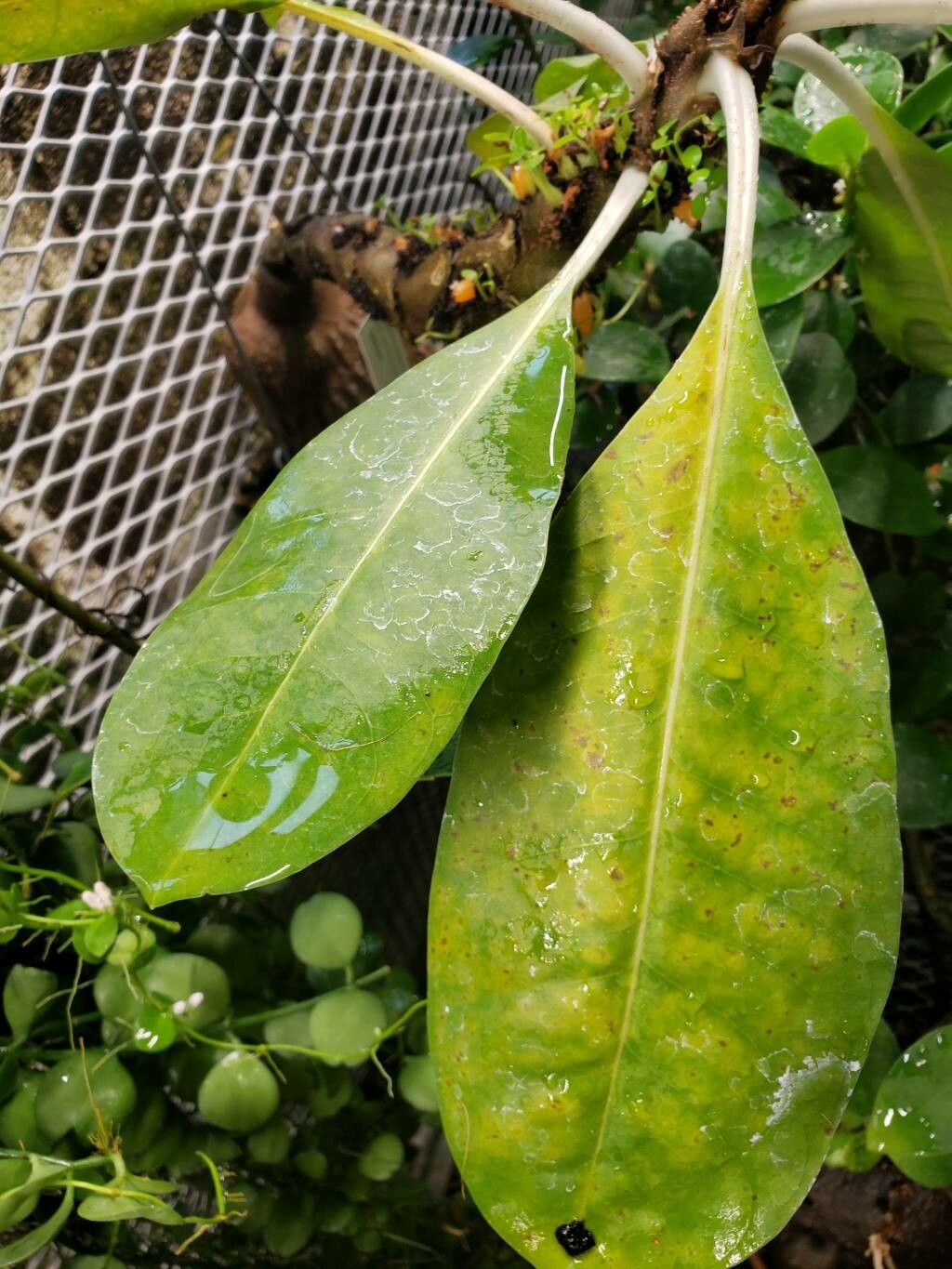
Ant Plant Propagation: Growing Your Own Myrmecodia Tuberosa
The Myrmecodia tuberosa, more commonly known as the Ant Plant, is a fascinating and unique plant with a symbiotic relationship with ants. Its bulbous, ant-inhabited tuber and striking foliage make it a captivating addition to any indoor jungle. But what if you want to share the wonder of the Ant Plant with others, or simply expand your own collection?
The answer lies in propagation, and thankfully, the Ant Plant is relatively easy to propagate. There are two primary methods: seed propagation and cutting propagation. Let’s delve deeper into each:
1. Seed Propagation:
- Collecting Seeds: Ant Plants produce small, brown seeds that are quite fragile. You can collect these seeds from your mature plant or purchase them online.
- Sowing: Use a well-draining seed-starting mix and sow the seeds thinly on the surface of the soil. Mist the soil lightly to ensure moisture.
- Germination: Place the container in a warm, bright location with indirect sunlight. Keep the soil consistently moist, but not soggy. Germination can take several weeks to a few months.
2. Cutting Propagation:
- Taking Cuttings: Choose a healthy stem with at least two nodes (where leaves grow). Use a sharp, sterile knife to make a clean cut just below a node.
- Preparing the Cuttings: Remove the lower leaves from the cutting and allow the cut end to dry slightly for a few hours.
- Planting: Insert the cut end into a pot filled with a well-draining potting mix. Keep the soil lightly moist and place the pot in a warm, humid location with indirect sunlight.
Growing Your Ant Plant:
- Light: Ant Plants prefer bright, indirect light. Avoid direct sunlight as it can scorch their leaves.
- Watering: Water the Ant Plant thoroughly when the topsoil feels dry to the touch. Allow excess water to drain away.
- Humidity: Maintain a humid environment for your Ant Plant. Misting regularly or placing the pot on a pebble tray filled with water can help.
- Fertilizer: Use a balanced liquid fertilizer diluted to half strength every few weeks.
Additional Tips:
- Prepare your potting mix: Use a well-draining potting mix that is specially formulated for epiphytes or orchids.
- Provide support: As the Ant Plant grows, it may need support to maintain its form. You can use moss poles or bamboo stakes to help it climb.
Be patient: The Ant Plant is a slow-growing plant, but its unique beauty and captivating symbiotic relationship with ants make the wait worthwhile.
The Ant Plant offers a unique opportunity to bring the fascinating world of nature into your home. By understanding the basics of propagation, you can easily share this wonder with your friends, family, or simply grow your own collection. Enjoy the journey of cultivating this special plant and discover the magic of the ant-plant relationship!