
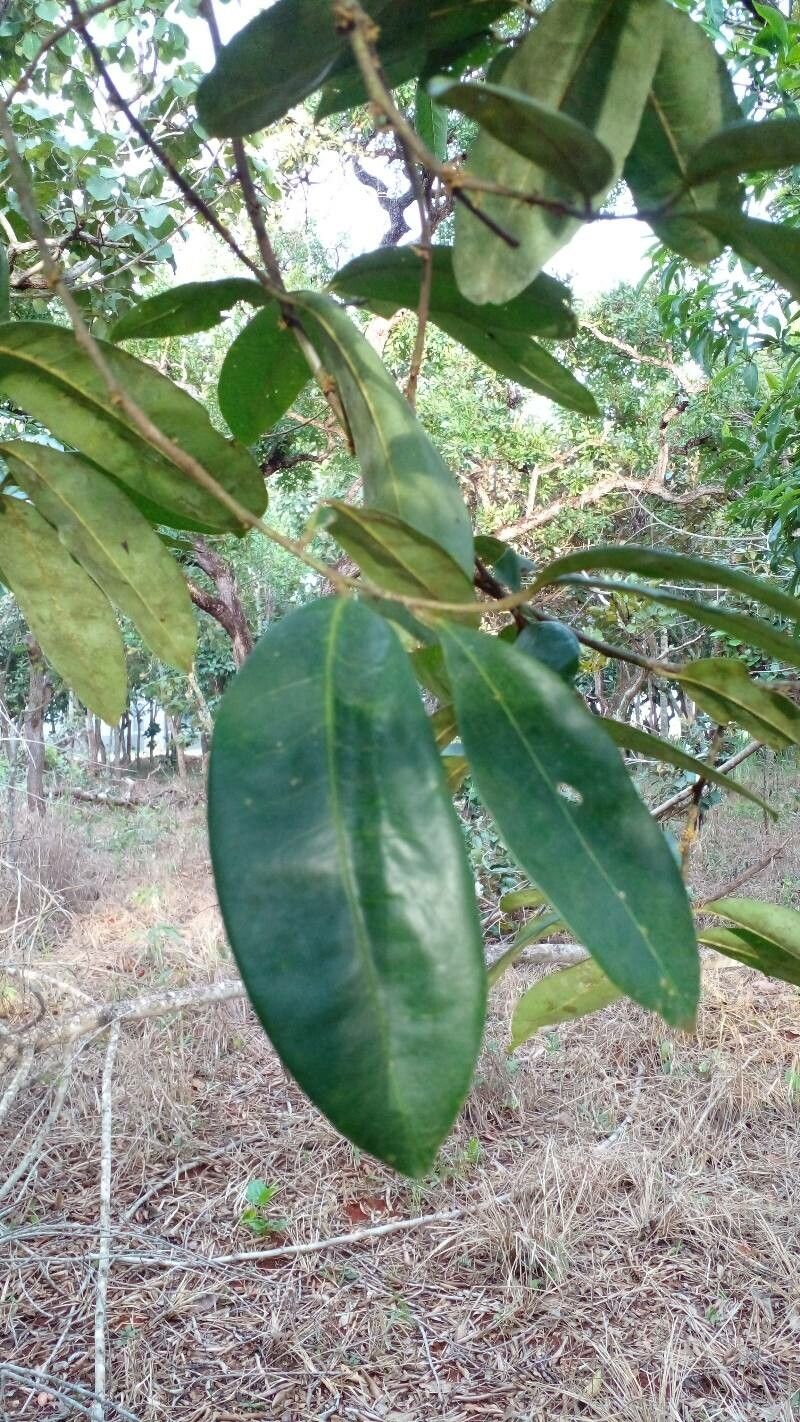
Propagating Myrsine umbellata: A Gardener’s Guide to the Australian Holly
Introduction
Myrsine umbellata, commonly known as the Australian Holly, is a charming evergreen shrub prized for its dense, glossy foliage and attractive berries. Native to Australia, this adaptable plant is gaining popularity among gardeners for its versatility, thriving in a range of conditions, from coastal gardens to woodland settings. Its dense habit makes it ideal for hedging, while its attractive berries provide winter interest for wildlife and a visual treat for the gardener. However, propagation of Myrsine umbellata presents some unique challenges, demanding patience and a keen understanding of its specific needs.
Seed Germination
Currently, there are no known reliable methods for seed germination propagation of Myrsine umbellata. While seeds are produced, their germination rates are notoriously low, and successful germination under controlled conditions has not been consistently documented in horticultural literature. Further research into specific germination requirements, such as scarification techniques and precise temperature and humidity control, might yield future success. But at present, seed propagation is not a practical method for most gardeners.
Cuttings
Cuttings offer a more reliable method for propagating Myrsine umbellata.
Challenges: Rooting success can be variable and slow. The plant’s semi-woody nature makes it somewhat challenging to strike cuttings.
Practical Tips: Semi-hardwood cuttings taken in late summer or early autumn, approximately 10-15cm long, have shown the best success. Remove lower leaves, dip the cut ends in rooting hormone, and plant in a well-draining propagation mix such as perlite and peat moss. Maintain high humidity using a propagator or plastic covering, and ensure consistent moisture levels without overwatering. Rooting may take several months.
Rewards: This method ensures the preservation of desirable traits from the parent plant, offering a faster route to a mature plant compared to other methods.
Division
Division is generally not a practical method for propagating Myrsine umbellata. The plant does not readily produce suckers or offsets that can be easily separated and replanted. Attempts might damage the parent plant substantially, jeopardizing its health without a guaranteed successful result.
Tissue Culture
Tissue culture offers the potential for large-scale propagation of Myrsine umbellata.
Challenges: Establishing sterile tissue culture protocols specific to this species requires specialized laboratory equipment and expertise. Specialized knowledge and skills are required, making this method inaccessible to the average gardener.
Practical Tips: This would involve establishing sterile cultures from shoot tips or other suitable explant material on a suitable agar-based growth medium. Specific hormone concentrations would need to be carefully optimized to induce shoot multiplication and root formation.
Rewards: Tissue culture allows for rapid increase of genetically identical plants and disease-free stock. This method would be ideal for commercial propagation or for conservation purposes.
Conclusion
Propagating Myrsine umbellata presents both challenges and rewards. While seed germination remains unreliable, cuttings offer a viable, albeit somewhat slow option for the home gardener. Division is impractical, and tissue culture, while offering great potential, requires significant expertise and resources. The success of any propagation method relies on careful attention to detail, patience, and a willingness to learn from both successes and failures. The unique satisfaction of cultivating this attractive shrub from a cutting, overcoming the challenges involved, adds significantly to the gardening experience, providing a tangible reward for dedicated effort. Aspiring propagators should be prepared for a journey requiring patience and persistence, but the beautiful end result – a thriving Australian Holly – is undoubtedly worth the effort.