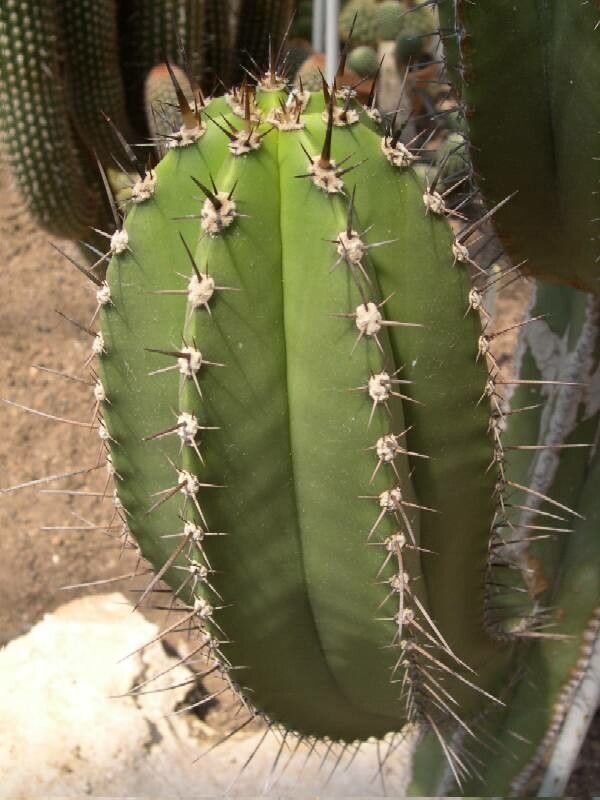
How to Propagate Myrtillocactus eichlamii

Propagating the Blue Candle Cactus (Myrtillocactus eichlamii): A Guide for Enthusiasts

Introduction:

Myrtillocactus eichlamii, commonly known as the Blue Candle Cactus, is a striking columnar cactus prized for its glaucous blue-green stems and attractive nocturnal flowers. Its relatively fast growth and attractive form have made it a popular choice among cacti enthusiasts. However, propagation can present certain challenges, making successful cultivation a rewarding experience. This article examines various propagation methods for this captivating species.

Seed Germination:

Currently, there are no known reliable methods for seed germination propagation of Myrtillocactus eichlamii. While seeds may be produced, germination rates are extremely low, and seedlings exhibit poor viability, making this method impractical for most home growers.

Cuttings:

This is the most common and reliable method for propagating Myrtillocactus eichlamii.

Challenges: The main challenge is rot. Cuttings are susceptible to fungal and bacterial infections if not properly prepared and cared for.

Practical Tips:

  1. Timing: Take cuttings in spring or early summer when the plant is actively growing.
  2. Preparation: Use a sharp, clean knife or scalpel to ensure a clean cut. Allow the cutting to callous over for a few days to a week in a dry, well-ventilated area before planting. This helps prevent rot.
  3. Planting: Plant the cutting in a well-draining cactus potting mix. Use a rooting hormone to increase success rates. Avoid overwatering; allow the soil to dry completely between waterings.
  4. Environment: Provide bright, indirect light. Avoid direct sunlight, especially until the cutting is well-rooted.

Rewards: Cuttings offer a relatively fast and straightforward method of producing genetically identical offspring from a parent plant with desirable characteristics.

Division:

Division is rarely a viable option for Myrtillocactus eichlamii. These cacti typically grow as single stems, and attempting to divide them often results in damage to the parent plant and low survival rates for the divisions.

Tissue Culture:

Tissue culture offers the potential for large-scale propagation and the production of disease-free plants.

Challenges: This method requires specialized equipment, sterile conditions, and expertise in plant tissue culture techniques. It is not a practical method for the average home grower.

Practical Tips: This method is best left to specialists with laboratory facilities and expertise in plant tissue culture.

Rewards: Tissue culture allows for the propagation of large numbers of genetically identical plants, ideal for commercial purposes or preservation efforts.

Conclusion:

Propagating Myrtillocactus eichlamii presents certain challenges, with cuttings offering the most accessible and reliable method for home growers. Successfully nurturing a cutting through the crucial rooting phase is immensely satisfying, symbolizing the grower’s ability to coax life from a seemingly simple piece of the parent plant. While seed germination and division are largely impractical, tissue culture holds promise for larger-scale propagation, primarily in professional settings. The unique blue hue and striking form of this cactus make the effort to propagate well worth it for any determined enthusiast. Remember patience and proper technique are key to success when tackling this rewarding, albeit slightly challenging, propagation project.

Myrtillocactus eichlamii

Raising Your Own "Blue Myrtle Cactus": A Propagation Guide

The Myrtillocactus eichlamii, affectionately known as the "Blue Myrtle Cactus," is a stunning addition to any arid garden or sunny windowsill. Its striking, powdery-blue skin and dramatic, candelabra-like shape give it an almost otherworldly beauty. If you’re eager to multiply your cactus collection with this unique species, propagation is the way to go! Let’s explore the ins and outs of propagating Myrtillocactus eichlamii:

Understanding the Options: Seeds vs. Cuttings

Propagating Myrtillocactus eichlamii can be achieved through two primary methods:

  1. Seeds: The most adventurous route, starting from seed, offers the reward of witnessing the entire life cycle of your cactus. However, keep in mind that this method is slower and requires patience, as cacti grown from seeds take longer to mature.

  2. Cuttings: Opting for cuttings is a faster and generally more reliable propagation method. Taking a cutting from an established plant allows you to create a clone that will retain the desirable characteristics of the parent cactus.

Method 1: Sowing the Seeds of Success

  • Sourcing Seeds: You can purchase Myrtillocactus eichlamii seeds from reputable online retailers or specialty nurseries.
  • Preparing the Planting Medium: Cacti thrive in well-draining soil. Mix equal parts potting soil, perlite, and coarse sand to create a suitable medium.
  • Sowing the Seeds: Sprinkle the seeds sparsely over the surface of the planting medium. Gently press them down, but avoid burying them too deep.
  • Creating a Humid Environment: Cover the container with a transparent lid or plastic wrap to trap moisture and promote germination.
  • Providing Light and Warmth: Place the container in a bright location, but out of direct sunlight. Maintain a temperature of around 70-75°F (21-24°C).
  • Patience is Key: Germination can take several weeks or even months. Be patient and ensure the soil remains lightly moist by misting it occasionally.

Method 2: The Art of Cactus Cuttings

  • Selecting the Right Cutting: Choose a healthy, mature stem from the parent plant. Use a sharp, sterilized knife or pruning shears to make a clean cut.
  • Allowing the Cutting to Callus: Leave the cutting in a dry, shaded area for a week, or until the cut end forms a callus. This prevents rot when the cutting is planted.
  • Planting the Cutting: Fill a small pot with the well-draining cactus mix described earlier. Make a shallow hole in the center and gently insert the callused end of the cutting.
  • Indirect Sunlight and Minimal Watering: Place the potted cutting in a location with bright, indirect sunlight. Water sparingly, only when the soil is completely dry. Overwatering is the biggest risk for newly planted cuttings.

Providing the Right Care for Success

Whether you’ve started from seed or cuttings, the following care tips will help your new cacti thrive:

  • Bright, Indirect Light: Myrtillocactus eichlamii loves sunshine but can get scorched by intense, direct sunlight, especially when young. A south or east-facing window is ideal.
  • Watering Wisdom: Cacti are drought-tolerant, so less is more when it comes to watering. Allow the soil to dry completely between waterings, and water deeply but infrequently.
  • Fertilization Boost: During the growing season (spring and summer), provide a diluted, balanced fertilizer once a month to encourage healthy growth.

    Watching Your Blue Myrtle Cactus Flourish

Propagating your own Myrtillocactus eichlamii is a rewarding endeavor that allows you to expand your plant family with this unique and impressive species. With patience, the right techniques, and a little TLC, you’ll be rewarded with the satisfaction of nurturing these captivating blue cacti from their earliest stages to full maturity.