
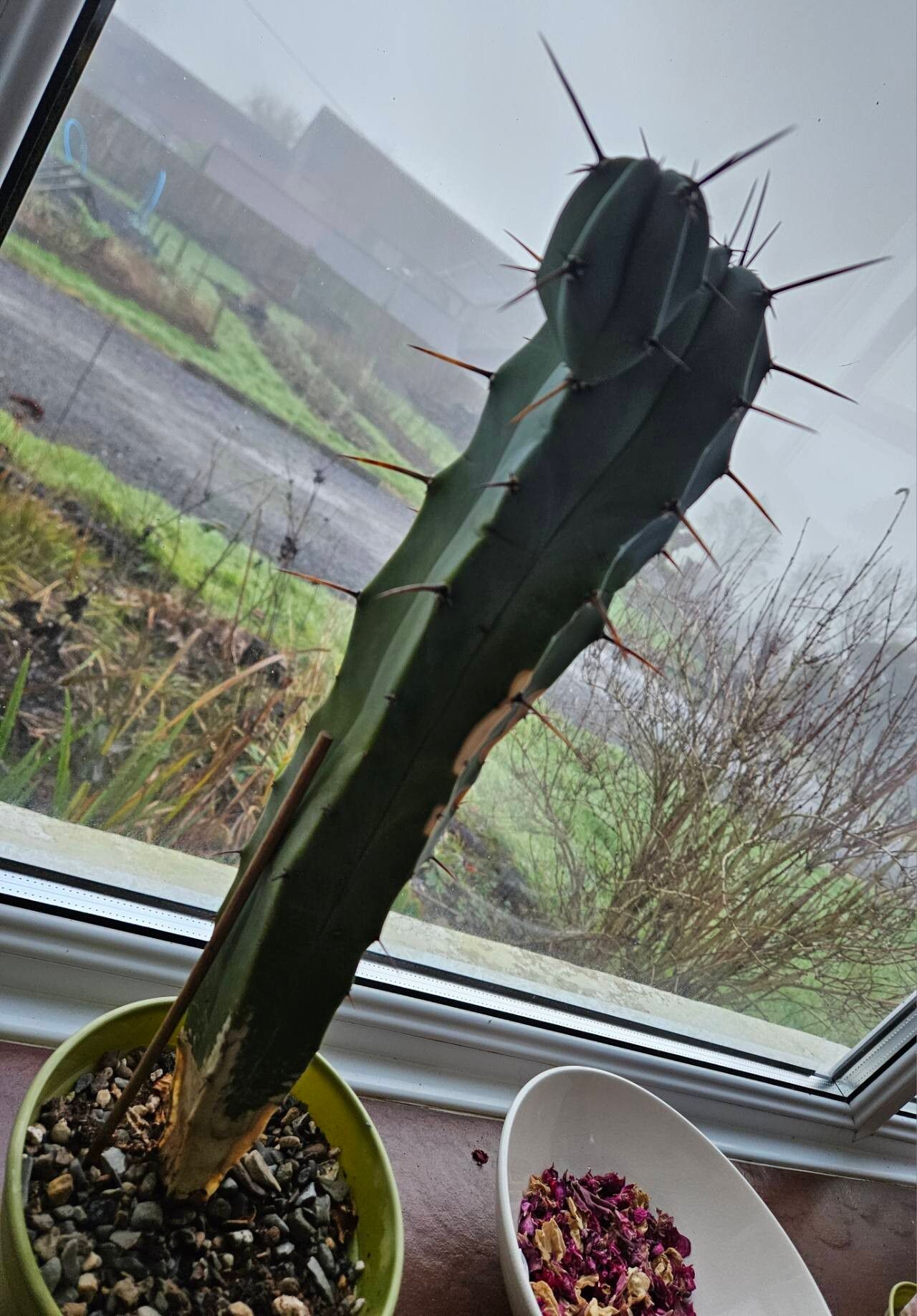
Propagating the Bilberry Cactus (Myrtillocactus geometrizans): A Gardener’s Guide
Introduction
The Myrtillocactus geometrizans, commonly known as the Bilberry Cactus, is a striking succulent prized for its distinctive bluish-green, geometrically patterned stems and attractive, small, edible fruits resembling blueberries (hence the common name). Its relatively easy care and unique appearance have made it a popular choice among cactus enthusiasts. While propagation can present some challenges, the rewards of successfully growing this plant from cuttings, seed, or even tissue culture are significant. The plant’s adaptability and tendency towards prolific growth from cuttings make it a rewarding subject for propagation, contributing to its wider availability and offering gardeners an opportunity to expand their collections.
Seed Germination
Seed germination is a viable method for propagating Myrtillocactus geometrizans, though it presents some challenges. The primary difficulty lies in achieving consistent germination rates. Seeds require specific conditions to sprout successfully.
Challenges: Seeds can be slow to germinate and require a consistently warm and humid environment. Fungal diseases can easily attack seedlings, leading to losses.
Tips: Sow seeds in a well-draining cactus and succulent potting mix. Maintain a temperature of around 70-75°F (21-24°C). Provide bottom heat using a heat mat for improved and consistent germination. Use a fine mist sprayer to keep the soil surface moist, avoiding overwatering. Covering the seed tray with clear plastic to maintain humidity can improve germination rates. Ensure excellent air circulation to mitigate fungal growth.
Rewards: Seed germination allows for the creation of genetically diverse plants, offering the potential for new and interesting variations. This method is also ideal for large-scale propagation if germination is successful.
Cuttings
Cuttings are the most reliable and commonly used method for propagating Myrtillocactus geometrizans.
Challenges: While relatively straightforward, rotting can be a problem if cuttings are not allowed to callous properly before planting. Choosing healthy, mature stems is crucial to ensure successful rooting.
Tips: Use a sharp, clean knife or scalpel to take stem cuttings of at least 4-6 inches in length. Allow the cut ends to callous over for a few days in a dry, shaded area before planting. Plant in a well-draining cactus mix, ensuring good drainage to prevent rot. Avoid watering excessively until roots develop. Propagation in a humid environment (e.g., under a humidity dome) can improve rooting success.
Rewards: Cuttings offer a high success rate and relatively quick propagation. This method is also suitable for both small-scale home propagation and larger-scale cultivation.
Division
Division is possible if the plant has formed multiple large, connected stems.
Challenges: This method is only feasible when the Bilberry Cactus has developed a large, established clump. Care must be taken during division to avoid damaging the individual stems.
Tips: Carefully separate the stems, being sure each one has a good root system attached. Ideally, division should be done during the growing season (spring or early summer) Plant each divided section in individual pots with a well-draining potting mix. Ensure proper watering and avoid overwatering initially.
Rewards: Division provides an efficient way to increase the number of plants from a mature specimen. Relatively quick establishment and a higher chance of survival than other methods.
Tissue Culture
Tissue culture is a viable but more complex method for propagating Myrtillocactus geometrizans.
Challenges: Requires specialized equipment, sterile conditions, and expertise in plant tissue culture techniques. This method is not suitable for home gardeners without prior experience.
Tips: Sterile laboratory conditions are essential, including sterilization of all tools and media. Requires careful selection of explant material and use of appropriate growth media and hormones.
Rewards: Allows for mass propagation of superior plants, genetically identical copies, and eradication of diseases. This method is suitable for large-scale commercial propagation.
Conclusion
Propagating Myrtillocactus geometrizans presents distinct challenges depending on the chosen method, with seed germination requiring patience and attention to detail, and tissue culture demanding specialized skills and equipment. Cuttings, however, offer a reliable and accessible pathway for most growers. While the rewards of successfully cultivating new Bilberry cacti from any method—whether the genetic diversity from seeds, the speed of cuttings, or the efficient propagation of tissue culture—are great, the satisfaction derived from nurturing a plant from a cutting or seed into a thriving specimen is unmatched. The challenge itself adds to the unique gratification of cultivating this beautiful, albeit somewhat stubborn, species. So don’t be discouraged by initial setbacks—the journey of propagating the Bilberry Cactus is an enriching experience, ultimately rewarding the patient and persistent gardener.