
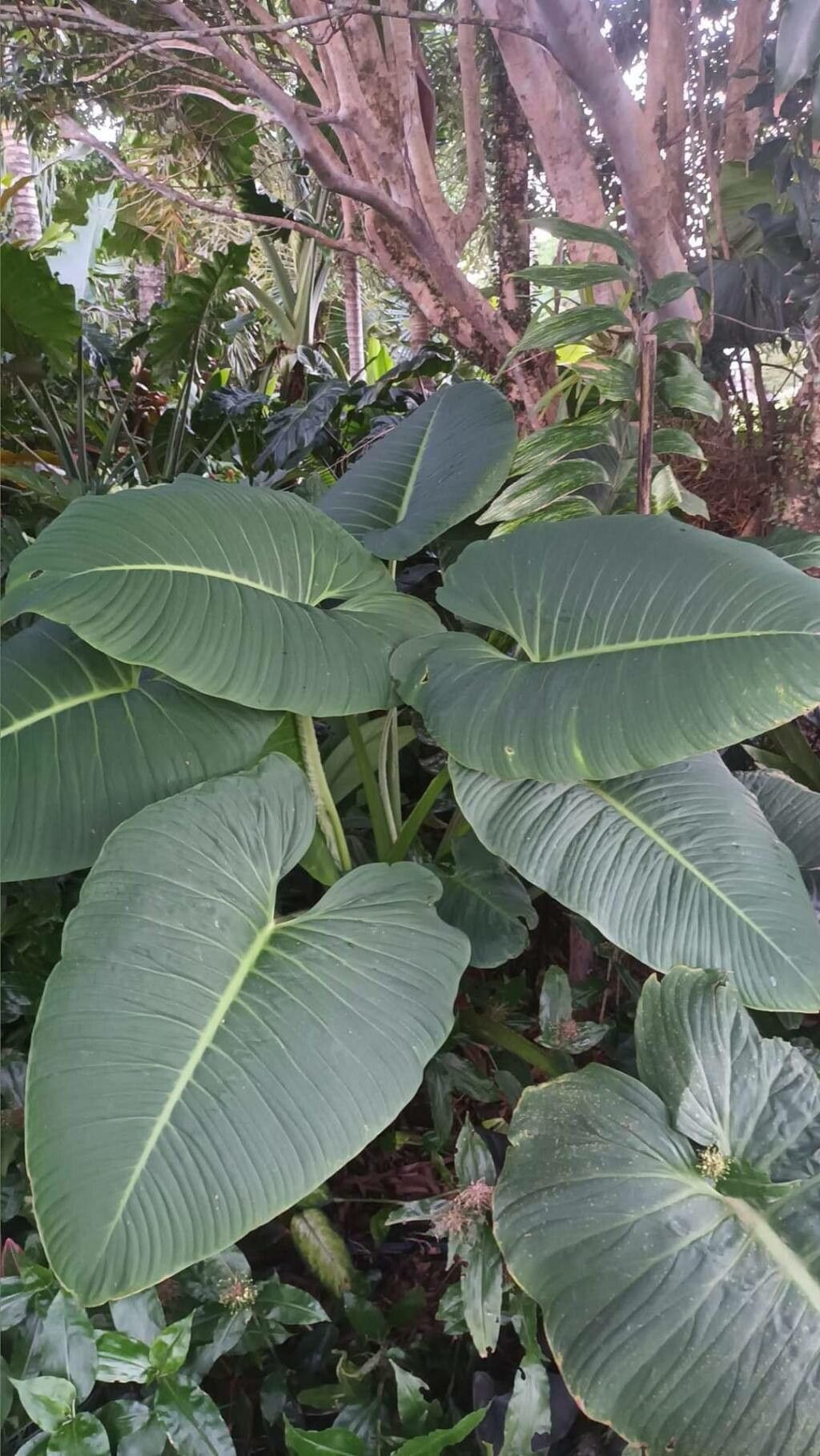
Unlocking the Secrets: How to Propagate the Elusive Nabalu Corneri
The Nabalu corneri, with its delicate, dew-kissed foliage and vibrant blooms, is a sight to behold. This rare jewel of Borneo, named after the majestic Mount Kinabalu, is a coveted treasure for plant enthusiasts. But obtaining one is just the first step; successfully propagating this epiphytic wonder presents a rewarding challenge.
Don’t be discouraged by the “rare” and “challenging” labels. Armed with the right knowledge, you can cultivate your own miniature Mount Kinabalu haven. Here’s a deep dive into the fascinating world of Nabalu corneri propagation:
Understanding the Nabalu Corneri:
Native to the cloud forests of Borneo, this miniature epiphyte thrives in humid environments with dappled light. Understanding its natural habitat provides crucial clues for successful propagation.
Propagation Methods:
Seed Propagation: While possible, propagating Nabalu corneri from seed is a challenging endeavor. The seeds are extremely fine and require sterile conditions to germinate. Patience is key, as germination can take several months. This method is generally best left to experienced growers or those with access to laboratory-like setups.
Vegetative Propagation: This is the most common and successful method for propagating Nabalu corneri. It involves using parts of a mature plant to grow new ones. There are two primary techniques:
- Offsets: Occasionally, mature plants produce small offshoots, or “pups,” at their base. These can be carefully separated from the parent plant once they develop a root system of their own.
- Stem Cuttings: This is the most reliable method for the home grower. Select a healthy stem with at least two nodes and make a clean cut below the lowest node.
The Vegetative Propagation Process:
- Preparation: You’ll need a clean, sharp knife or pair of scissors, a well-draining potting mix specifically designed for orchids or epiphytes, and a small pot or tray.
- Taking the Cutting: Choose a healthy stem and make a clean cut below a node (the bump where leaves emerge). If possible, select a cutting with aerial roots already present.
- Potting the Cutting: Moisten the potting mix and place the cutting on the surface, ensuring the nodes are in contact with the medium. You can secure the cutting with a small stake if needed.
- Creating a Humid Environment: Cover the pot with a clear plastic bag or use a humidity dome to mimic the humid conditions this plant loves. Place the pot in a warm, bright location out of direct sunlight.
- Patience is Key: It can take several weeks or even months for roots to develop and new growth to appear. Keep the potting mix consistently moist but not soggy.
- Transplanting: Once the cutting shows significant new growth and a healthy root system, it’s ready for its own pot!
Tips for Success:
- Choose a healthy parent plant for cuttings.
- Sterilize your cutting tools to prevent fungal or bacterial infections.
- Provide adequate humidity and indirect light.
- Be patient – propagation takes time!
Propagating your own Nabalu corneri might seem daunting, but it is a deeply fulfilling experience. With patience, care, and a touch of the right expertise, you can cultivate this botanical masterpiece and contribute to the preservation of this rare and beautiful species.