
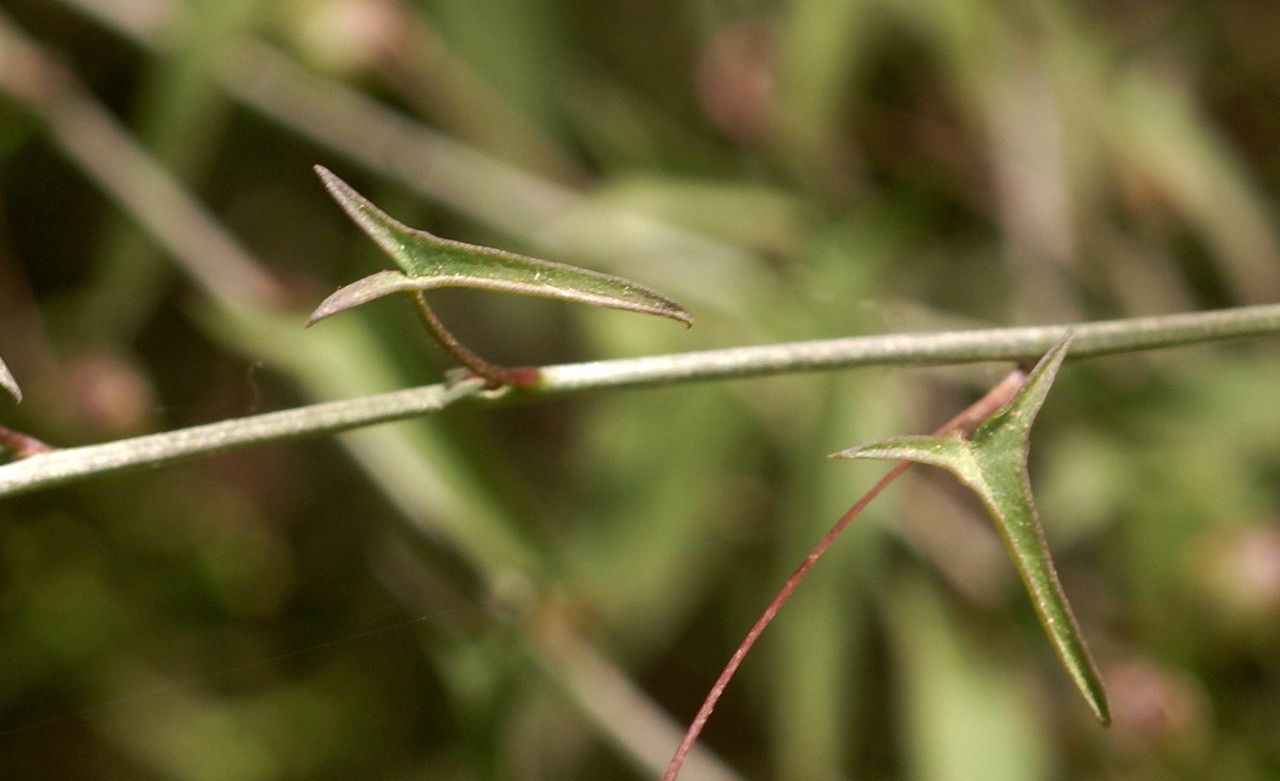
From Seed to Splendor: Propagating the Stunning Nanorrhinum Sagittatum
The Nanorrhinum sagittatum, with its delicate, arrow-shaped leaves and vibrant, snapdragon-like blooms, is a true garden gem. But what if you could multiply the beauty of this captivating plant without relying on pricey nursery purchases? That’s where propagation comes in!
This blog post will guide you through the fascinating process of propagating Nanorrhinum sagittatum, helping you create thriving new plants from your existing ones and share this charming flower with friends and family.
Understanding the Options:
You have two primary methods for propagating Nanorrhinum sagittatum:
Seed Propagation: This method offers the thrill of nurturing life from the very beginning. Nanorrhinum sagittatum seeds are readily available online or through specialist seed suppliers.
- Cutting Propagation: This technique involves taking cuttings from a healthy parent plant, allowing them to develop roots and eventually become independent plants.
Let’s Explore Each Method:
1. Seed Propagation:
- Timing is Key: Sow seeds in spring or early summer, as warm temperatures encourage germination.
- Planting Medium: Use a seed-starting mix or a blend of equal parts peat moss, vermiculite, and perlite.
- The Process:
- Fill seed trays or pots with the chosen medium and moisten it thoroughly.
- Scatter seeds thinly on the surface, gently pressing them into the soil.
- Cover the tray or pot lightly with a thin layer of soil or vermiculite.
- Mist the surface with water, maintaining even moisture.
- Place the container in a warm, bright spot and cover it with a clear plastic dome or wrap to create a mini-greenhouse.
- Patience is Virtue: Germination takes about 10-14 days, but be patient!
- Thinning and Transplanting: As seedlings emerge, thin them out to give each plant room to grow. Once seedlings have a few true leaves, carefully transplant them into individual pots or the garden.
2. Cutting Propagation:
- Take Softwood Cuttings: Choose softwood cuttings from new, pliable growth, around 4-6 inches long.
- Cut Below a Node: Make a clean cut just below a leaf node (where leaves grow from the stem). Remove any lower leaves that would be submerged in the rooting medium.
- Dip in Rooting Hormone: Optional but highly suggested. A rooting hormone aids in root development.
- Potting Medium: Choose a well-draining potting mix suitable for rooting, such as a blend of peat moss, perlite, and sand.
- Planting: Fill a small pot with the medium and insert the cutting, ensuring that at least one node is buried underground. Water thoroughly.
- Humidity for Success: Cover the pot with a clear plastic dome or bag to create optimal humidity levels.
- Location: Place the pot in a bright, indirect sunlight location, away from direct sunlight.
- Watch for Roots: Rooting should take a few weeks. Check for signs of new growth, which signals successful rooting.
A Note on Care:
Both seedlings and cuttings will need consistent watering to stay hydrated. Avoid overwatering, as this can lead to root rot. Provide regular fertilization once plants establish roots.
Conclusion:
Propagating Nanorrhinum sagittatum is a fulfilling and enjoyable experience. Whether you choose seeds or cuttings, you’ll soon discover the magic of nurturing this stunning plant from its very beginnings. So, gather your tools, embrace the process, and prepare to be amazed by the vibrant blooms and delightful foliage that this propagation journey will bring!