
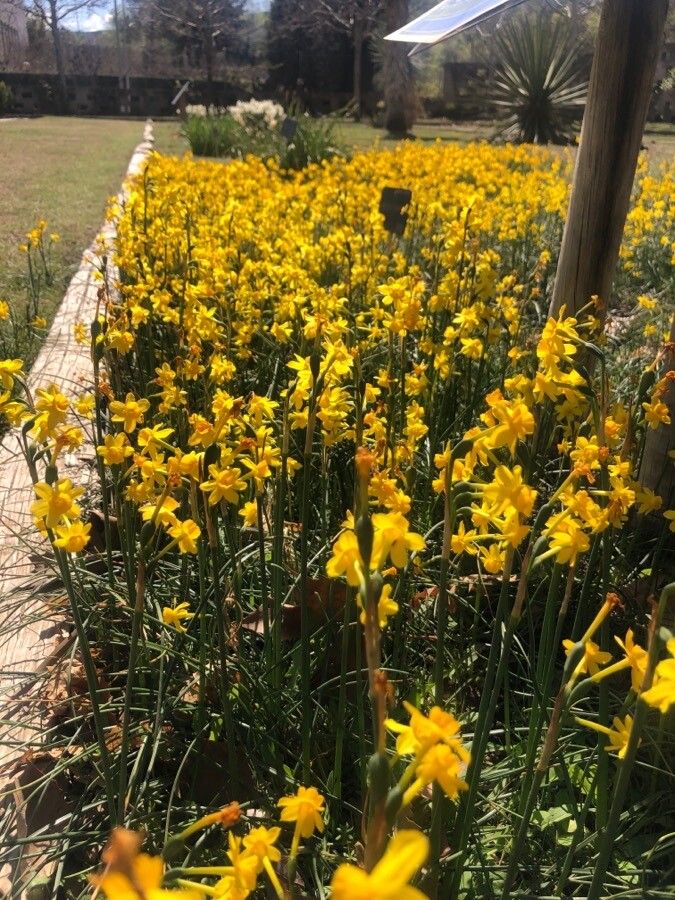
More of Those Lovely Yellow Daffodils: Propagating Narcissus Flavus
Spring wouldn’t be the same without the cheerful splash of yellow that Narcissus flavus, the wild daffodil, brings to the garden. But what if you wanted to enjoy even more of these vibrant blooms? That’s where propagation comes in!
While Narcissus flavus can be purchased as bulbs, propagating at home is an exciting way to expand your garden for free and share with friends. Here’s a breakdown of how.
Understanding the Methods
Narcissus flavus can be propagated in two main ways:
- Division: The most common and easiest method, division separates existing bulbs and their offsets (smaller bulbs) from the mother plant. This creates new independent plants that can be planted and will eventually bloom.
- Seed Propagation: This method takes more time, but offers the gratification of growing a new generation of daffodils from seed.
Division: The Quick and Easy Way
- Timing is Key: The best time to divide Narcissus flavus is after the foliage has died back, typically in late summer or early autumn.
- Digging It Up: Carefully lift the mature clump of bulbs from the ground. Use a trowel or garden fork to gently loosen the soil around the bulbs, being careful not to damage their delicate roots.
- Separation: With a sharp knife or garden shears, gently separate the bulbs, making sure each division has a healthy root system and a few leaves.
- Replanting Time: Plant the newly separated bulbs at a depth about twice the height of the bulb in fresh, well-drained soil.
- Watering and Waiting: Keep the bulbs well-watered and watch them grow! It might take a season or two for the newly divided bulbs to bloom, but soon, you’ll enjoy an abundance of yellow cheer.
Seed Propagation: A Journey of Patience
- Harvesting Seeds: After the flowers have wilted, collect the seeds from the seed pods that appear. Leave them to mature and dry on the plant before gathering.
- Sowing Seeds: Plant the seeds in pots or seed trays filled with well-draining potting mix. Gently push the seeds into the soil and lightly cover them.
- Moist and Mild: Keep the soil consistently moist but not waterlogged. Place the containers in a cool, shaded spot until the seeds sprout, which can take several weeks or even months.
- Transplanting: Once the seedlings have a few true leaves, you can transplant them into individual pots or into your garden bed.
- Time for Blooming: Seed-propagated Narcissus flavus might take up to 4-5 years to reach blooming size. But the wait is worth it! Witnessing the journey from seed to flower is a rewarding experience.
Tips for Success
- Location: Narcissus flavus thrives in full sun to partial shade, and well-drained soil is crucial.
- Fertilizer: A balanced fertilizer applied in the spring can help your daffodils grow strong and healthy.
- Patience: Remember, daffodils prefer to stay in the same spot for years, so choose a location thoughtfully.
Narcissus flavus: Beyond the Bloom
The beauty of Narcissus flavus doesn’t stop at its sunny blooms. This daffodil variety is also a low-maintenance, naturalizing plant that can create a breathtaking display in your garden. By propagating your own Narcissus flavus, you can enjoy years of cheerful blooms and create new pockets of springtime magic throughout your landscape. So get your hands dirty, embrace the process, and watch your garden come alive with the vibrant yellow of Narcissus flavus!