
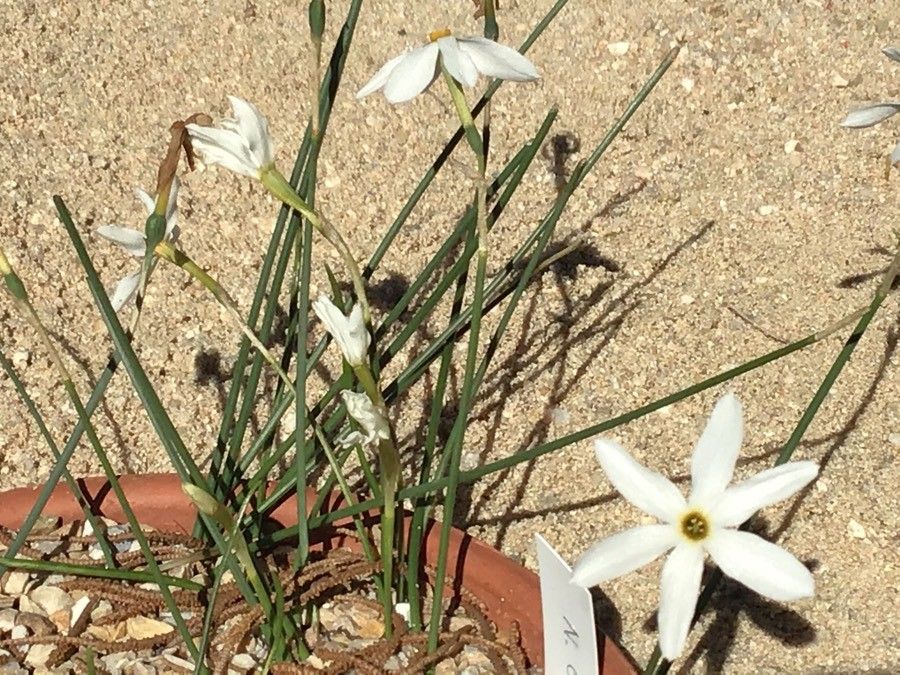
Bringing Back the Wild Ones: Propagating the Rare Narcissus obsoletus
The Narcissus obsoletus, a charming wildflower with delicate, creamy white petals and a vibrant yellow cup, is a true treasure of the botanical world. This rare species, found primarily in the Mediterranean region, is unfortunately facing declining populations. Luckily, you can help bring it back by learning the art of propagation.
The Power of Bulbs
Like its fellow daffodils, Narcissus obsoletus reproduces via bulbs. These are underground storage organs that act as mini-factories for new plant life. The bulb holds the plant’s energy reserves and, under the right conditions, can create a new flower and foliage.
Methods for Propagation
There are two main ways to propagate Narcissus obsoletus:
Division: This is the most common and readily accessible method. Once the plant has finished flowering, you can carefully dig up the clump and divide it into individual bulbs. Each bulb should have a healthy root system and a growing point.
- Timing is key: Division is best done in the late summer or early fall, when the plant is dormant.
- Preparation: Carefully choose a suitable location for your new bulbs, ensuring it receives plenty of sunlight and has well-drained soil.
- Planting: Gently plant the bulbs, ensuring the pointed tip faces upwards. The depth should be about twice the height of the bulb.
- Seed Propagation: While less common, you can also propagate Narcissus obsoletus from seeds. This method is ideal for beginners, as it requires minimal effort.
- Gathering Seeds: Collect the black, spherical seeds from the mature seed pods after flowering.
- Sowing: Sow the seeds in a seed tray filled with a well-draining compost mix.
- Patience is key: Seed propagation takes time, with seedlings emerging usually in the following spring.
Tips for Success:
- Watering: After planting, water the bulbs or seedlings thoroughly to ensure they become established.
- Fertilizers: Avoid using fertilizers with high nitrogen content, as this can promote leafy growth at the expense of flowering.
- Overwintering: Narcissus obsoletus is hardy and can withstand mild winters, but it’s highly recommended to provide a layer of mulch to protect the bulbs from extreme cold.
Conservation through Propagation
By propagating Narcissus obsoletus, you contribute to its conservation and help ensure its continued existence. You also get to enjoy these delicate wildflowers in your garden, adding a touch of unique beauty to your landscape. Be a part of the solution for a healthier and more thriving future for this rare and special plant.
Go Forth and Propagate!
The process of propagating Narcissus obsoletus is a rewarding experience. Not only will you help preserve a precious wildflower, but you’ll also gain a deeper connection with nature and the joy of growing something from scratch. So, gather your tools, get your hands dirty, and let’s bring back the beauty of the Narcissus obsoletus!