
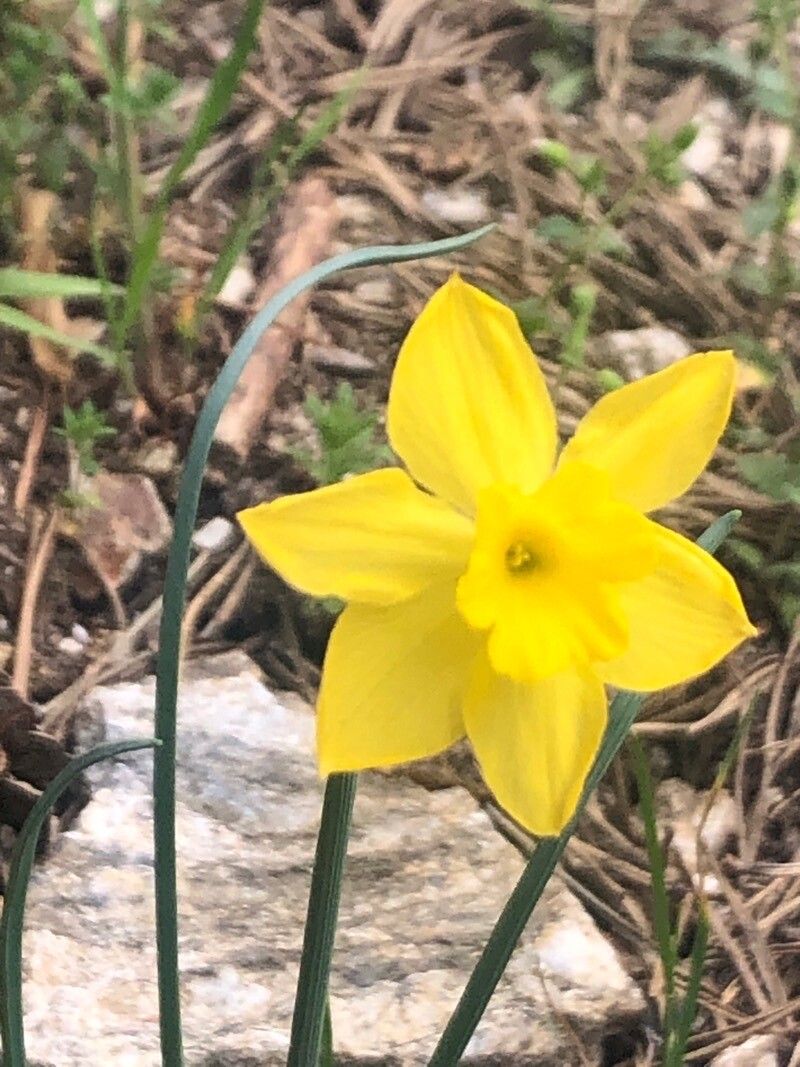
Demystifying Narcissus Rupicola Propagation: A Guide to Multiplying the Miniature Marvel
Narcissus rupicola, also known as the Rock Narcissus, is a charming miniature daffodil that captivates with its delicate white blooms and compact form. While admiring its beauty in spring is a joy, many garden enthusiasts wonder about propagating this petite wonder to expand their floral display. Fear not, fellow plant lovers! This guide will demystify the art of Narcissus rupicola propagation, equipping you with the knowledge to multiply this charming bulb.
Understanding the Basics
Before diving into the techniques, let’s get acquainted with the basics. Narcissus rupicola, like other daffodil varieties, primarily multiplies through two methods:
- Bulb Division: This involves separating the naturally formed bulblets, known as offsets, from the parent bulb after the foliage has died back. It’s the easiest and quickest way to propagate Narcissus rupicola.
- Seed Propagation: This method involves collecting seeds from mature flowers and sowing them. While rewarding, it’s a lengthier process and may not yield identical replicas of the parent plant due to genetic variation.
Method 1: Division – The Simplest Approach
- Timing is Key: The ideal time for dividing Narcissus rupicola is after the foliage has yellowed and died back, typically in late summer or early autumn. This allows the bulbs to store energy for the next growing season.
- Gentle Excavation: Carefully dig up the clumps of bulbs, ensuring you don’t damage them. Loosen the soil around the roots using a garden fork.
- Separation with Care: Gently twist and pull apart the offsets from the main bulb. Each offset should have its own roots. Discard any damaged or diseased bulbs.
- Replanting for Success: Choose a well-draining location with partial to full sun. Plant the bulbs at a depth of about 3 times their height, pointy side up.
- Water and Patience: Water the newly planted bulbs well and wait patiently for their emergence in spring.
Method 2: Seed Propagation – Embracing the Unpredictability
- Harvesting Seeds: Allow the Narcissus rupicola flowers to mature and form seed pods. Once the pods turn brown and begin to split open, collect the ripe seeds.
- Sowing Time: Sow the seeds in late summer or early autumn in well-draining seed compost.
- Creating the Right Environment: Cover the seeds lightly with compost and place the pots or trays in a cold frame or unheated greenhouse. The seeds need a period of cold stratification to germinate.
- Germination Patience: Be prepared for a long wait! Germination can take several months or even a year.
- Transplanting Seedlings: Once the seedlings are large enough to handle, carefully transplant them into individual pots or a prepared garden bed.
Tips for Success:
- Always use sterilized tools when dividing or handling bulbs to prevent diseases.
- Good drainage is crucial to prevent bulb rot. Amend your soil with grit or perlite if needed.
- Seed-grown Narcissus rupicola may take several years to flower.
Propagating Narcissus rupicola is a rewarding endeavor, allowing you to expand your collection of this delightful miniature daffodil. Whether you choose the simplicity of bulb division or the adventure of seed propagation, following these steps will increase your chances of success. Happy gardening!