
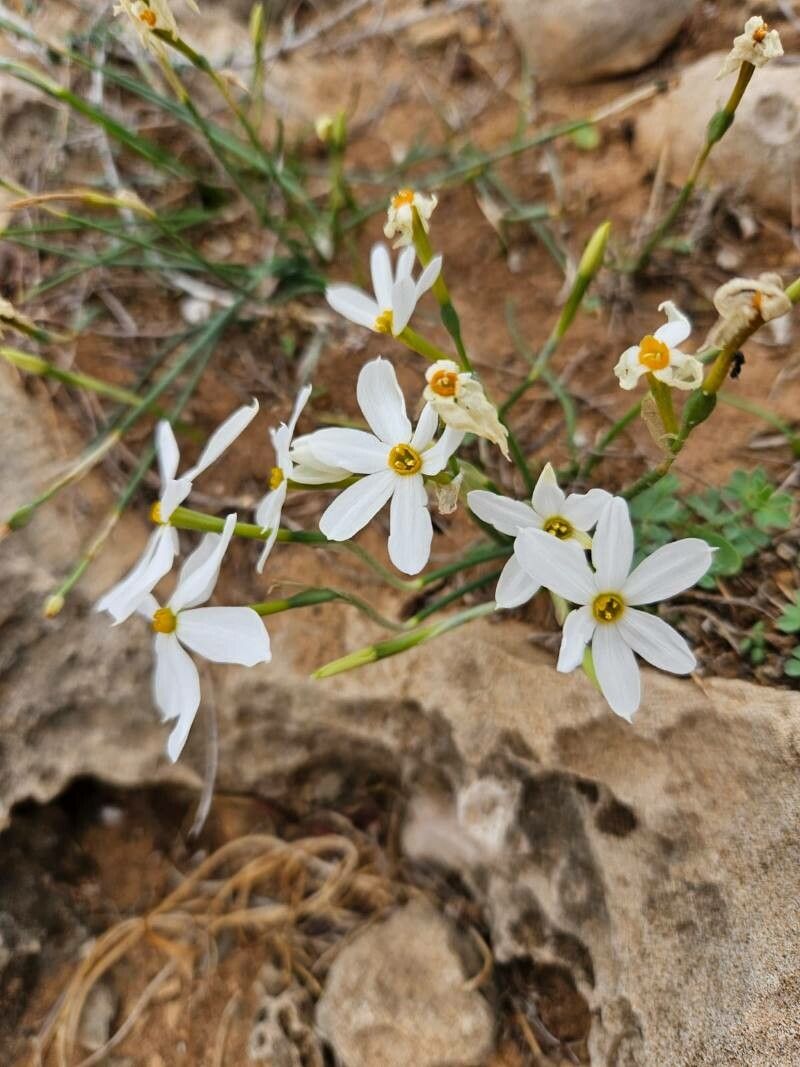
Unveiling the Secrets: How to Propagate the Late-Blooming Narcissus Serotinus
The Narcissus serotinus, also known as the Autumn Narcissus or the Late-Flowering Narcissus, is a captivating flower with delicate, white petals surrounding a small, vibrant yellow cup. Unlike its spring-blooming cousins, this enchanting bloom graces us with its presence in the fall, making it a unique addition to any garden. If you’re eager to expand your collection of these late-season stunners, you’ll be pleased to know that propagating Narcissus serotinus is a relatively simple process. Let’s delve deeper into the secrets of successfully propagating this charming flower.
Propagation by Seeds:
While possible, propagating Narcissus serotinus from seed requires patience, as it can take several years for the seedlings to mature and produce flowers. However, if you’re up for the challenge, here’s how to proceed:
- Seed Collection: Allow the seed pods to fully ripen and dry on the plant. Once dried, they will easily crack open, revealing the black seeds within.
- Sowing: Plant the seeds in a well-draining seed-starting mix, lightly covering them with soil. Maintain consistent moisture and place them in a cool, dark location.
- Germination & Care: Be patient! Germination can take several weeks or even months. Once the seedlings emerge, move them to a brighter location, but shield them from direct sunlight. Continue watering regularly and fertilize lightly every few weeks.
Propagation by Offsets:
The most common and reliable method of propagating Narcissus serotinus is by dividing offsets, also known as bulblets. Follow these steps:
- Timing is Key: The best time to divide clumps of Narcissus serotinus is during their dormant period in late summer or early fall.
- Gentle Division: Carefully lift mature clumps from the ground using a garden fork. Gently separate the offsets from the mother bulb, ensuring each section has healthy roots. Discard any damaged or diseased bulbs.
- Replanting: Choose a sunny or partially shaded location with well-drained soil. Replant the offsets at the same depth they were originally growing, spacing them about 4-6 inches apart.
- Watering & Care: Water the newly planted offsets thoroughly and continue to water regularly until established. Like the seedlings, a light fertilizer application every few weeks during the growing season will be beneficial.
Tips for Success:
- Well-Draining Soil: Narcissus serotinus does not tolerate waterlogged soil, which can lead to bulb rot. Amend heavy clay soil with sand or compost to improve drainage.
- Sun Requirements: While they can tolerate some shade, these flowers thrive in sunny locations. Aim for at least 6 hours of direct sunlight per day for optimal growth and flowering.
- Pest & Disease Control: Keep an eye out for common pests like slugs and snails that may find your Narcissus serotinus foliage appealing.
Propagating Narcissus serotinus is a rewarding experience that allows you to expand your garden with these beautiful and unique autumn bloomers. With a little patience and care, you can enjoy a bountiful display of their charming white and yellow flowers year after year.