
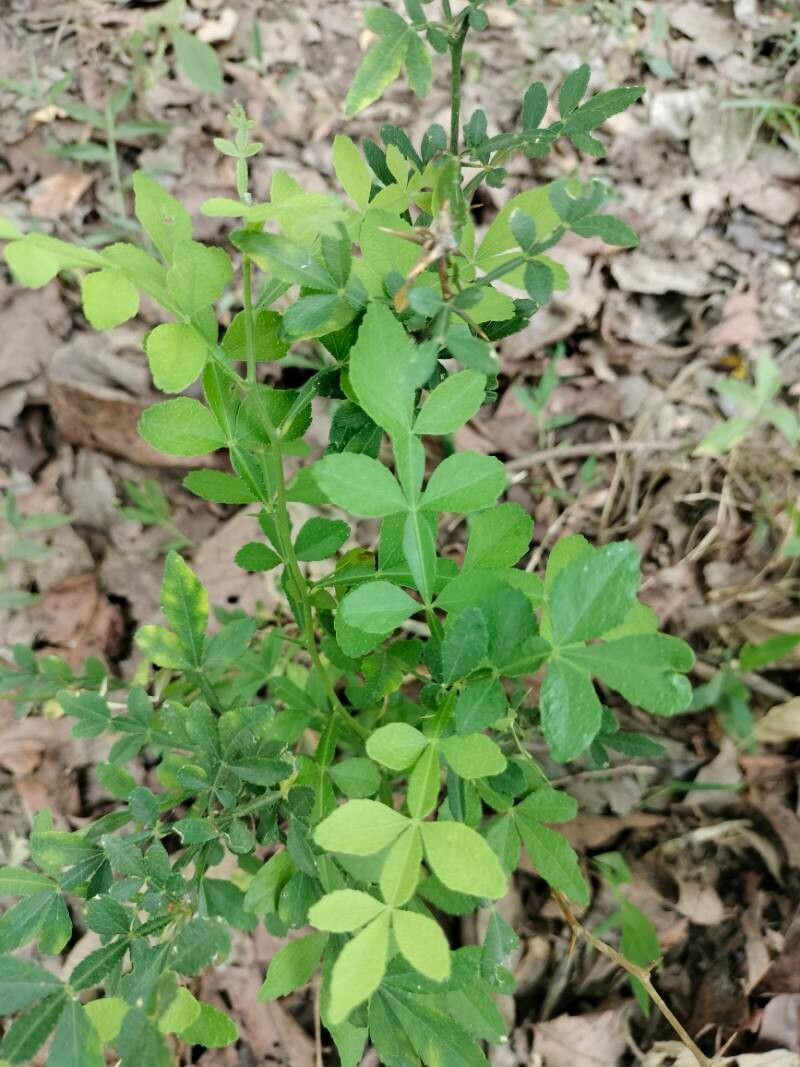
From Seed to Success: How to Propagate the Charming Naringi crenulata
The Naringi crenulata, also known as the “Orange Jasmine” or “Mock Orange,” is a beloved shrub for its fragrant blossoms and lush foliage. This beautiful addition to your garden can be easily propagated, allowing you to share its charm with others or simply expand your own green space.
But where to start? Let’s dive into the world of Naringi crenulata propagation and uncover the secrets to creating a thriving new generation of this charming plant.
1. Seeds: A Journey from Tiny to Towering:
While Naringi crenulata seeds are readily available, starting from seed requires patience. Here’s the process:
- Harvest the Seeds: Mature fruit capsules, often reddish-brown, contain the seeds. Collect the seeds and gently remove any surrounding pulp.
- Stratification: Mimicking nature, expose the seeds to a period of cold and moist conditions. Store them in a sealed container with damp vermiculite for 4-6 weeks in the refrigerator (35-40°F).
- Planting: Pot the seeds in a well-draining seed-starting mix, barely covering them with soil. Water gently and place in a warm, sunny location. Germination can take several weeks to months.
2. Cuttings: A Quick and Easy Route:
For faster results, propagation from cuttings is the way to go.
- Timing is Key: Take semi-hardwood cuttings in late summer or early fall. Select healthy, non-flowering stems with at least 3-4 nodes (leaf junctions).
- Preparation: Cut a 4-6 inch long portion below a node. Remove leaves from the lower 2 inches and apply rooting hormone to the cut end to encourage root development.
- Rooted in Success: Plant the cuttings in a rooting medium like perlite or vermiculite, keeping them moist and warm. You can use a humidity dome or plastic bag to maintain a warm and humid environment for optimal rooting.
3. Layering: A Gentle Propagation Technique:
This method involves encouraging roots to develop on a branch while it is still attached to the parent plant.
- Select a Branch: Choose a flexible, low-growing branch.
- Layering Time: In late spring or early summer, gently bend the chosen branch to the ground and make a shallow slit on the underside near the base.
- Soil and Support: Place the branch in a small trench, pinning it down with a rock. Cover the branch with soil and water regularly.
- Detach and Grow: After several months, the layered branch should develop roots. Carefully separate it from the parent plant and pot it in a well-draining potting mix.
4. The Importance of Patience and Care:
No matter which method you choose, remember that propagation requires patience and a touch of care.
- Consistent Watering: Ensure the roots are evenly moist but not waterlogged.
- Light and Temperature: Provide adequate sunlight or appropriate light conditions for optimal growth.
- Fertilizer: Fertilize regularly to promote healthy growth and root development.
Conclusion: The Joy of Propagating Naringi crenulata:
Successful propagation of Naringi crenulata brings joy to any gardener. Whether you choose seeds, cuttings, or layering, this charming shrub rewards your efforts with an abundance of fragrant blossoms and lush greenery. This is an excellent way to add a touch of nature’s beauty to your garden, share your love for this plant, and experience the satisfaction of growing something from scratch. Happy propagating!