
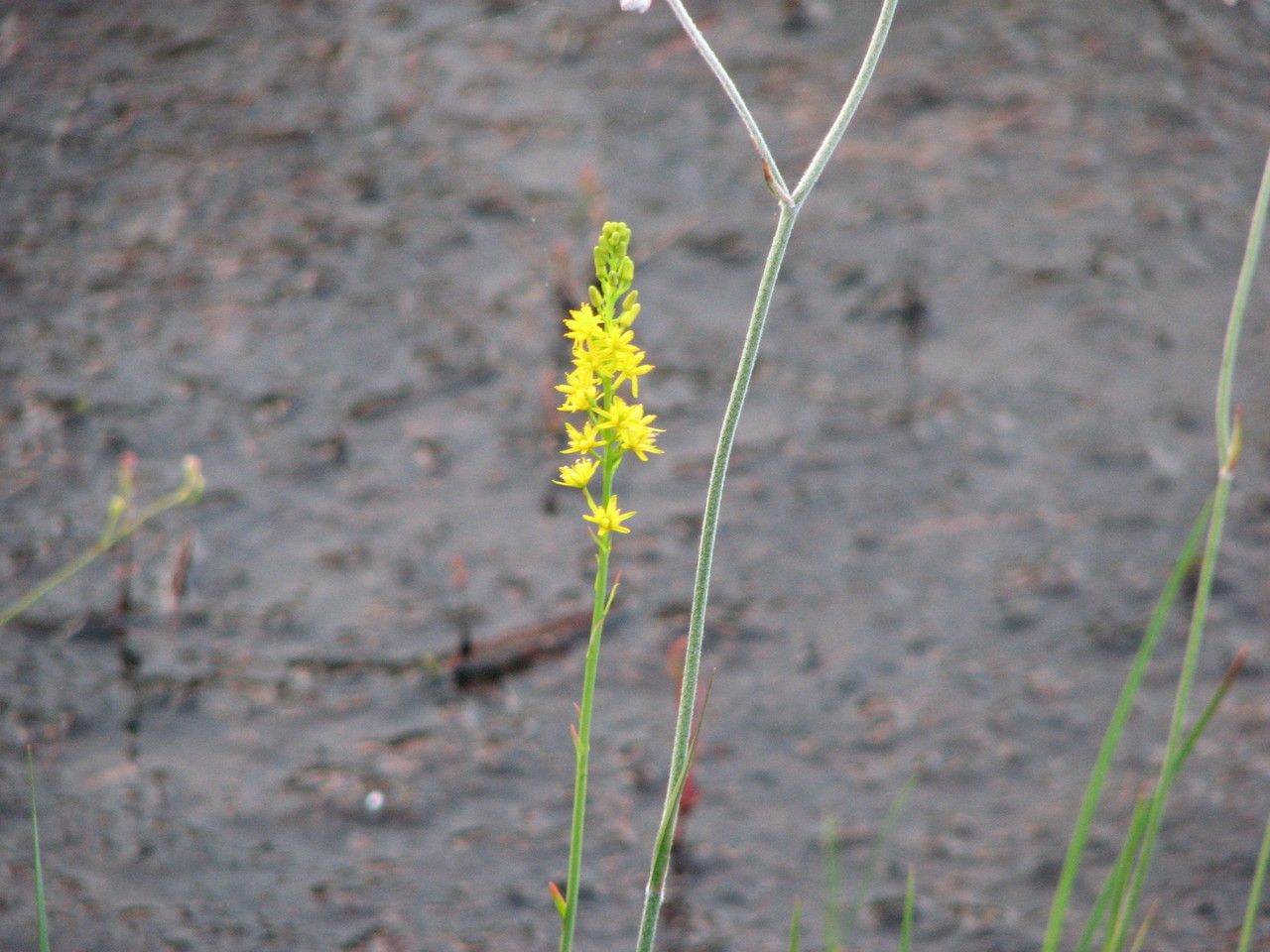
Propagating Bog Asphodel (Narthecium americanum): A Guide for the Determined Gardener
Introduction:
Narthecium americanum, commonly known as Bog Asphodel, is a striking perennial native to North America, prized for its vibrant yellow star-shaped flowers and grass-like foliage. Its adaptability to wet, acidic conditions makes it a valuable addition to bog gardens, rain gardens, and other moist environments. While not as ubiquitous as some garden plants, its unique beauty and resilience have earned it a dedicated following among gardeners seeking to incorporate native species into their landscapes. Propagating Bog Asphodel, however, presents some challenges, making the success all the more rewarding.
Seed Germination:
Currently, there are no known reliable methods for seed germination propagation of Narthecium americanum. While seeds may be produced, germination rates are notoriously low and unpredictable, likely due to complex dormancy requirements not yet fully understood. Research into specific stratification protocols and germination stimulants is needed before seed propagation becomes a viable option.
Cuttings:
Propagating Bog Asphodel from cuttings presents difficulties as well. While some herbaceous plants can be propagated by stem or leaf cuttings, Narthecium americanum has not shown consistent success with this method. The lack of readily available suitable cutting material and the high susceptibility to rot in moist conditions hamper the process. Further research and experimentation are necessary to determine if specific cutting types and rooting hormones could improve success.
Division:
Division is the most reliable and practical method for propagating Narthecium americanum. This involves carefully separating established clumps of the plant during dormancy (late autumn or early spring).
Challenges:
- Timing: Division must be done at the correct time to avoid damaging the plant.
- Root disturbance: Bog Asphodel has a delicate root system; careful handling is crucial to prevent damage.
- Size of clumps: Only established clumps large enough to be divided without significantly weakening the parent plant should be chosen.
Practical Tips:
- Use a sharp, clean knife or spade to divide the clump into sections, each containing multiple growing points and sufficient roots.
- Handle the divided sections gently.
- Replant the divisions immediately in moist, acidic soil similar to their original growing conditions.
- Water thoroughly after planting.
Rewards:
- Faster establishment: Divisions establish more quickly than seedlings, producing blooms sooner.
- Maintaining genetic traits: Division creates genetically identical duplicates of the parent plant, preserving desirable characteristics.
- Reliable method: This method offers a consistent means of increasing plant numbers for personal use or limited distribution.
Tissue Culture:
Tissue culture propagation is a potentially viable but complex and resource-intensive method for Narthecium americanum. Success would require specialized laboratory equipment, sterile techniques, and a thorough understanding of plant tissue culture protocols specific to this species. However, this method could offer the potential for large-scale propagation and the production of disease-free plants, but specialized knowledge and facilities are necessary.
Challenges:
- Specialized knowledge: Requires training and expertise in tissue culture techniques.
- Expensive setup: Requires significant investment in equipment and materials.
- Sterility issues: Maintaining a sterile environment is crucial to prevent contamination.
Conclusion:
Propagating Bog Asphodel presents unique challenges across all common propagation methods. While seed germination and cuttings have proven unreliable, division provides a practical method for gardeners with some experience. Tissue culture offers a potential solution for large-scale propagation but demands significant resources and expertise. The rewards—the opportunity to successfully cultivate this beautiful native plant—are worth the effort for those passionate about gardening and conservation. The unique satisfaction of nurturing a Bog Asphodel from a division, or even mastering the intricate art of tissue culture, makes the journey far more rewarding than purchasing an already established plant. Don’t be discouraged by the challenges; with patience and careful technique, the determined gardener can enjoy the beauty of successfully propagated Bog Asphodel in their garden.