
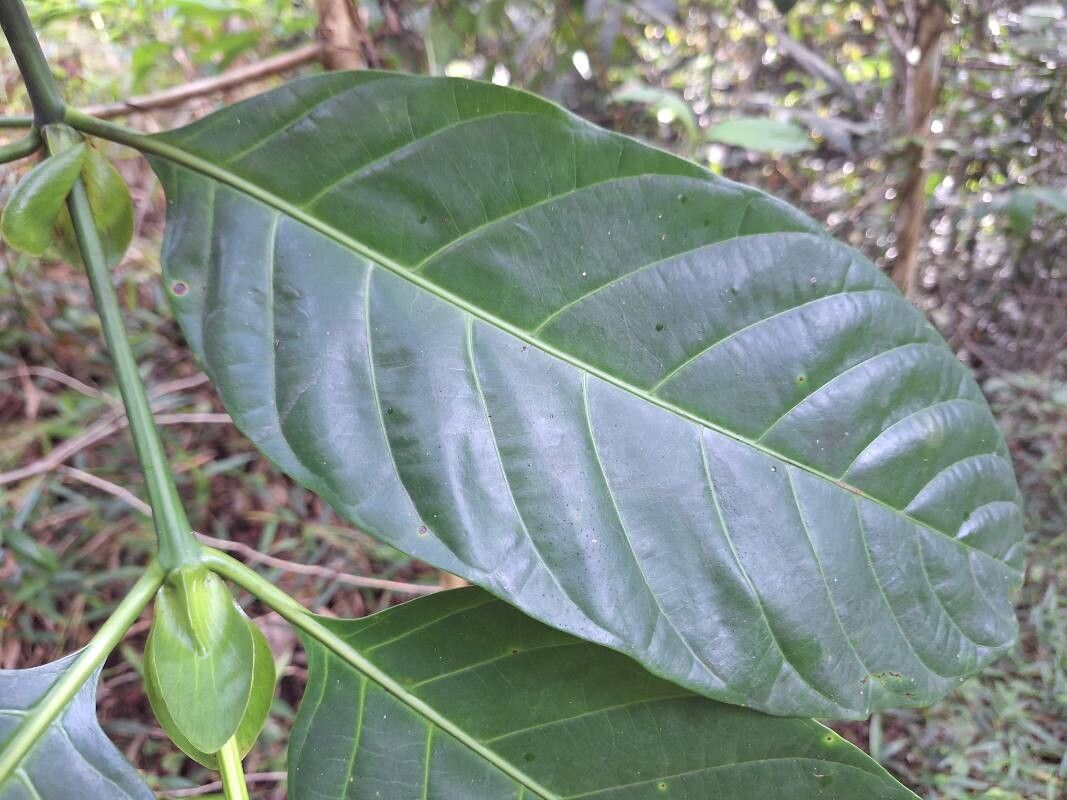
Unlocking the Secrets of the African Teak: A Guide to Propagating Nauclea diderrichii
The African Teak, scientifically known as Nauclea diderrichii, is a majestic tree native to tropical Africa, celebrated for its strength, durability, and striking beauty. Its wood, prized for its rich, golden-brown hue and resistance to decay, is often used in high-quality furniture, flooring, and even boat construction. But beyond its commercial value, this resilient species holds cultural significance in many regions and boasts impressive medicinal properties in its bark and roots.
If you’re fascinated by the African Teak and dream of cultivating this majestic giant, you’ve come to the right place. While known for its slow growth, propagating Nauclea diderrichii is a rewarding endeavor with immense satisfaction guaranteed. Let’s delve into the two primary methods:
1. Seed Propagation: A Test of Patience and Precision
The most common method, seed propagation, requires a dash of patience as it truly reflects the tree’s unhurried growth pattern.
Here’s what you’ll need:
- Fresh, viable seeds: Source seeds from reputable suppliers or collect them directly from mature seedpods, ensuring they are dry and free from pests.
- Seedling trays or pots: Opt for well-draining potting mix specifically formulated for tree seedlings.
- Warmth and humidity: Create a mini-greenhouse environment with a consistent temperature between 25-30°C (77-86°F). A heated propagation mat can be beneficial.
- Indirect sunlight: Provide bright, indirect light, gradually introducing direct sunlight as the seedlings mature.
- Consistent moisture: Water regularly, ensuring the soil remains consistently moist but never waterlogged.
Steps:
- Soak the seeds: Soak the seeds in lukewarm water for 24-48 hours to enhance germination rates.
- Plant the seeds: Sow seeds at a depth of approximately 1 cm (0.4 inches), spacing them evenly in the seedling trays or pots.
- Patience is key: Germination can take anywhere from a few weeks to several months. Don’t be discouraged if it takes time.
2. Vegetative Propagation: A Faster Route with Cuttings
For the green thumbs seeking quicker results, vegetative propagation through cuttings provides a faster route to success.
Here’s what you’ll need:
- Healthy cuttings: Select semi-hardwood cuttings, approximately 10-15 cm (4-6 inches) long, from actively growing branches.
- Rooting hormone: While not mandatory, using a rooting hormone can significantly increase the success rate.
- Similar growing conditions: Provide the same warm, humid environment as described for seed propagation.
Steps:
- Prepare the cuttings: Remove leaves from the lower half of the cutting and make a fresh cut at the base.
- Apply rooting hormone: Dip the cut end into the rooting hormone, following the manufacturer’s instructions.
- Plant the cuttings: Insert the cuttings into a well-draining potting mix, ensuring at least two nodes are buried.
- Maintain humidity: Cover the cuttings with a plastic bag or use a humidity dome to retain moisture.
Essential Tips for Success
Regardless of your chosen method, these tips will boost your chances of success:
- Sterilize your tools and containers: This prevents the spread of diseases and fungal infections.
- Be patient and observant: Monitor your seedlings or cuttings closely, providing appropriate care and addressing any issues promptly.
- Transplant at the right time: Once the seedlings or cuttings have developed a strong root system, transplant them into larger containers or directly into the ground.
Propagating Nauclea diderrichii is a rewarding journey that requires patience and dedication. By following these guidelines and embracing the slow, steady growth of this remarkable tree, you can cultivate a living testament to its strength and beauty for generations to come.