
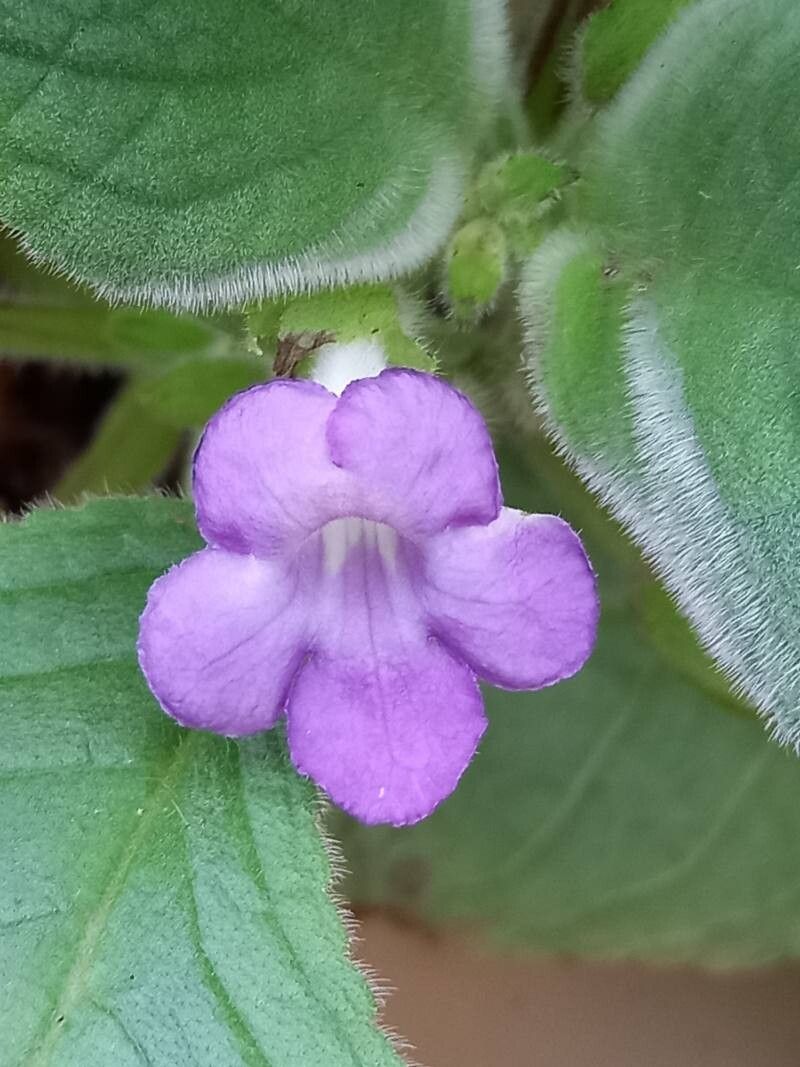
Unlocking the Secrets of Nautilocalyx bicolor Propagation: A Guide to Multiplying Your Jewel of the Jungle
The Nautilocalyx bicolor, with its striking foliage and intriguing name, is a plant that begs to be shared. This stunning gesneriad, hailing from the rainforests of Central and South America, boasts velvety leaves with an intricate network of contrasting veins, reminiscent of a finely crafted painting. But did you know that multiplying your Nautilocalyx bicolor is an achievable feat, even for those without a green thumb?
This guide dives deep into the world of Nautilocalyx bicolor propagation, offering you the secrets to success:
1. Cuttings: The Path of Least Resistance
Stem cuttings are the most popular and effective way to propagate this beauty. Here’s how:
- Timing is Key: Spring and early summer, during the plant’s active growth phase, are ideal for taking cuttings.
- Select Your Weapon: Use a clean, sharp knife or pruning shears to minimize damage and the risk of infection.
- Choose Wisely: Look for healthy, vigorous stems with at least two nodes (the small bumps where leaves emerge).
- Make the Cut: Snip a 2-4 inch section of stem just below a node. Remove the lower leaves, leaving 2-3 leaves at the top.
- Hormone Boost (Optional): Dip the cut end in rooting hormone powder to encourage faster root development.
- Planting Time: Plant the cutting in a well-draining potting mix, burying the bottom node.
- Humidity is King: Create a humid environment by covering the pot with a plastic bag or using a propagation dome.
- Patience is a Virtue: Place the cutting in a warm, bright location out of direct sunlight. Roots should develop in 4-6 weeks.
2. Leaf Cuttings: A More Patient Approach
While slightly more challenging, propagating Nautilocalyx bicolor from leaf cuttings is possible:
- Leaf Selection is Everything: Choose a healthy, mature leaf.
- Cut with Precision: Cut the leaf with a small portion of the petiole (the stalk that attaches the leaf to the stem).
- Hormone and Plant: Dip the cut end in rooting hormone and plant it in the same well-draining mix as stem cuttings.
- Humidity and Patience: Again, humidity is crucial for success. Keep the leaf cutting consistently moist and be patient, as rooting can take several weeks longer than with stem cuttings.
3. Caring for Your New Recruits
- Gradual Acclimation: Once roots develop and new growth appears, gradually acclimate the young plants to normal humidity levels before transplanting them into individual pots.
- Well-Draining Soil: Use a well-draining potting mix specifically formulated for African violets or gesneriads.
- Bright, Indirect Light: Place your new plants in a location with bright, indirect light to mimic their natural rainforest habitat.
- Water Wisely: Water thoroughly when the soil surface feels dry, allowing excess water to drain completely.
Multiply the Beauty
Propagating your Nautilocalyx bicolor is a rewarding way to expand your plant family and share the captivating allure of these botanical jewels. With a little patience and these tips in hand, you’ll be well on your way to creating a thriving jungle of your own.