
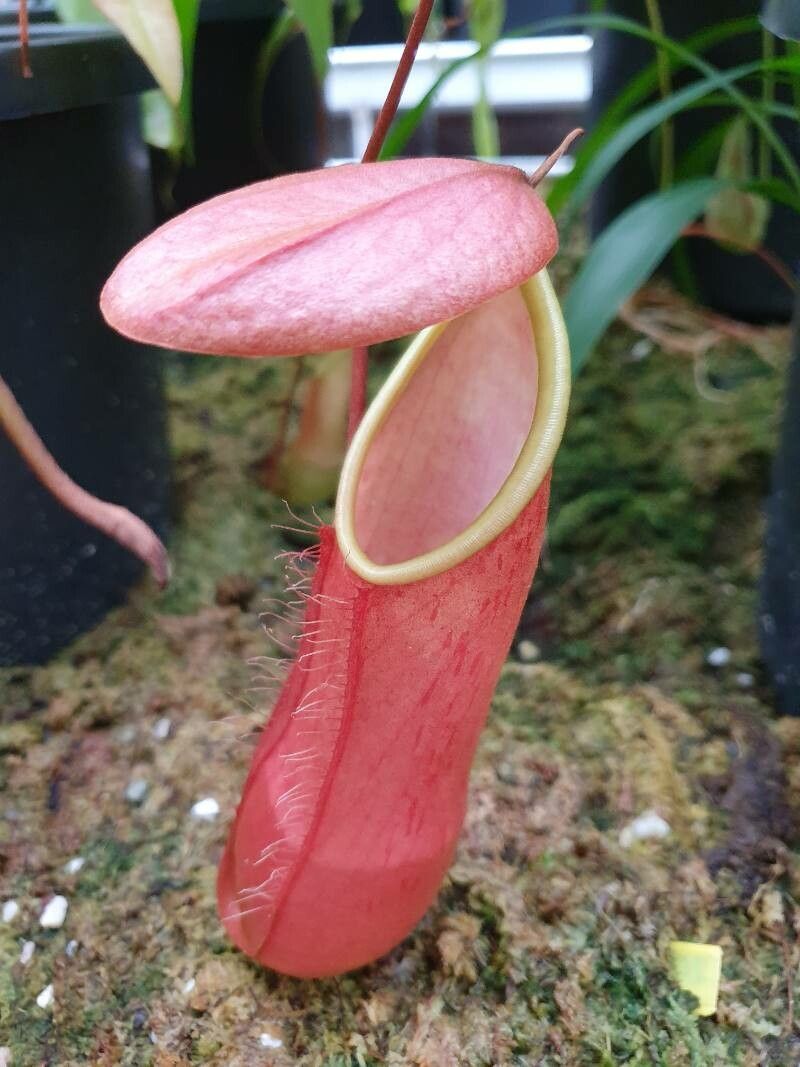
Unveiling the Secrets: Propagating the Spectacular Nepenthes Spectabilis
The Nepenthes spectabilis, with its vibrant, pitcher-like traps, is a sight to behold. This carnivorous wonder, native to the rainforests of Sumatra, isn’t just captivating; it’s surprisingly accessible to propagate, even for beginner enthusiasts. Whether you’re an experienced grower looking to expand your collection or a curious beginner, this guide will equip you with the knowledge to propagate your own Nepenthes spectabilis.
Understanding the Basics
Before delving into the specifics, it’s important to grasp the different methods of propagating Nepenthes spectabilis:
Seed Propagation: While rewarding, this method is challenging due to the rarity of viable seeds and the prolonged time it takes for seedlings to mature.
- Vegetative Propagation: This method, encompassing cuttings and air layering, offers a faster and more reliable path to success.
The Art of Cutting
Taking cuttings is the most popular way to propagate Nepenthes spectabilis. Here’s a step-by-step guide:
What You’ll Need:
- Healthy Parent Plant: Choose a mature plant with vigorous vines.
- Sharp, Sterilized Knife or Scissors: Cleanliness is crucial to prevent infection.
- Rooting Hormone (Optional): While not mandatory, it can significantly increase success rates.
- Suitable Growing Medium: A mix of sphagnum moss and perlite offers excellent drainage and aeration.
- Humidity Dome or Plastic Bag: Maintaining high humidity is critical for successful rooting.
Step-by-Step Guide:
- Prepare the Cuttings: Select a healthy vine and make a clean cut below a node (the point where leaves emerge) at a 45-degree angle. Each cutting should ideally have 2-3 leaves.
- Trim the Leaves: Cut the remaining leaves in half horizontally to reduce water loss through transpiration.
- Apply Rooting Hormone (Optional): Dip the cut end in rooting hormone to encourage root development.
- Plant the Cuttings: Gently insert the cuttings into the prepared growing medium, burying the node.
- Create a Humid Environment: Place the cuttings inside a humidity dome or cover the pot with a transparent plastic bag.
- Provide Bright, Indirect Light: Avoid direct sunlight, as it can scorch the developing plantlets.
- Maintain Moisture: Mist the cuttings regularly, ensuring the growing medium remains consistently moist but not waterlogged.
With proper care, roots should begin to form within 4-8 weeks. Once the cuttings show signs of new growth, you can gradually acclimate them to regular humidity levels.
Exploring Air Layering
Air layering is another effective technique for propagating Nepenthes spectabilis. It involves encouraging roots to develop on a section of the stem while it is still attached to the parent plant.
The Process:
- Select a healthy stem and make a small, upward cut just below a node.
- Dust the wound with rooting hormone (optional).
- Wrap the wounded area with moist sphagnum moss and secure it with plastic wrap.
- Keep the moss consistently moist.
Once roots have developed through the moss, you can sever the stem below the new roots and pot it as a separate plant.
The Rewards of Patience
Propagating Nepenthes spectabilis requires patience and attention to detail. However, the reward of witnessing a new plant flourish from a cutting or air layer is immensely gratifying. With the right knowledge and a bit of practice, you can master the art of propagation and cultivate your own collection of these fascinating carnivorous beauties.