
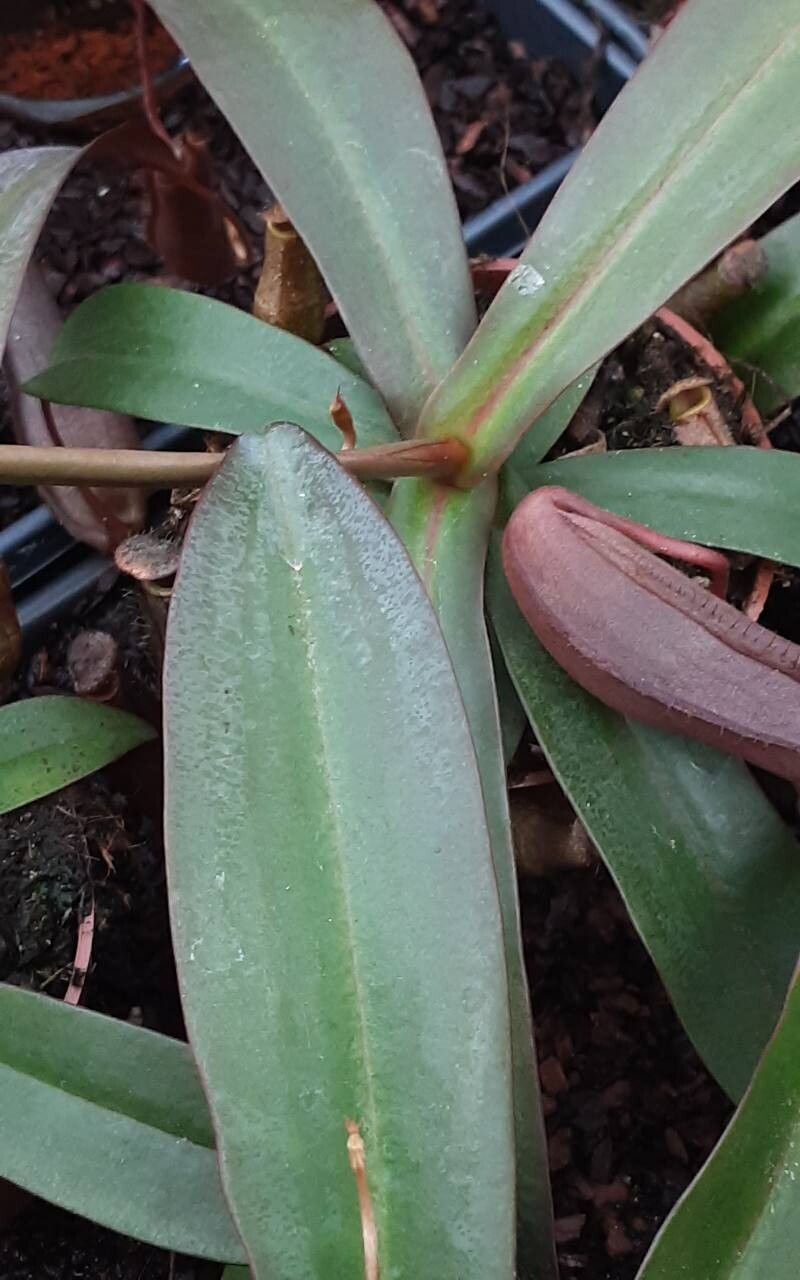
Unveiling the Secrets: How to Propagate Nepenthes vieillardii
Nepenthes vieillardii, with its elegant pitchers and fascinating carnivorous nature, is a prized possession for many plant enthusiasts. But this New Caledonian endemic can be quite a challenge to multiply. Fear not, fellow plant lovers, for we’re about to delve into the captivating world of Nepenthes vieillardii propagation!
Understanding the Basics
Before we jump into the how-to, let’s understand the “why” behind our propagation methods. N. vieillardii can be propagated in two primary ways:
Seed Propagation: This method, while rewarding, is less common and often less successful. N. vieillardii produces both male and female plants, requiring successful pollination for viable seeds. Even then, germination rates can be low, and the seedlings demand meticulous care.
- Vegetative Propagation: This is the more popular and reliable option, involving the cloning of existing plant material. We’ll be focusing on two popular vegetative methods: cuttings and air layering.
1. The Art of the Cutting
Taking cuttings is like giving your N. vieillardii a fresh start. Here’s how:
- Timing is Key: Aim for spring or early summer when the plant is actively growing.
- Choose Your Weapon: Sharp, sterilized shears or a knife are crucial for a clean cut and preventing infections.
- Selecting the Stem: Look for a healthy stem with at least 2-3 leaf nodes (the little bumps where leaves emerge).
- Making the Cut: Cut the stem diagonally just below a node, ensuring a clean cut about 4-6 inches long.
- Preparing the Cutting: Remove lower leaves, leaving only 1-2 at the top.
- Hormone Boost (Optional): Dipping the cut end in rooting hormone can encourage faster root development.
- Planting Time: Plant the cutting in a well-draining, moist medium like a mixture of sphagnum moss and perlite.
- Creating a Humid Haven: Cover the pot with a clear plastic bag or humidity dome to maintain high humidity levels essential for root development.
2. Mastering the Air Layer
Air layering might sound complex, but it’s surprisingly straightforward:
- Identify the Target: Choose a healthy stem similar to the one for cuttings.
- Wound and Wrap: Make a small, upward-angled cut about a third of the way through the stem below a node. Apply rooting hormone (optional) to the wound, then wrap it with moist sphagnum moss and secure with plastic wrap or aluminum foil.
- Patience is Key: Wait several weeks for roots to develop within the moss.
- Separation and Potting: Once roots are visible, carefully cut below the newly formed roots and pot the new plantlet.
Creating the Perfect Environment
Regardless of your chosen method, providing the right environment is crucial:
- Bright, Indirect Light: Avoid direct sunlight, which can scorch the developing plant.
- High Humidity: Mist regularly or use a humidifier to maintain consistently high humidity.
- Temperatures: Aim for temperatures between 70-85°F (21-29°C).
- Watering: Keep the medium consistently moist but not waterlogged.
Propagating N. vieillardii requires patience and a gentle touch. But with the right techniques and a little dedication, you can unlock the secrets of this fascinating species and expand your carnivorous plant collection. Happy propagating!