
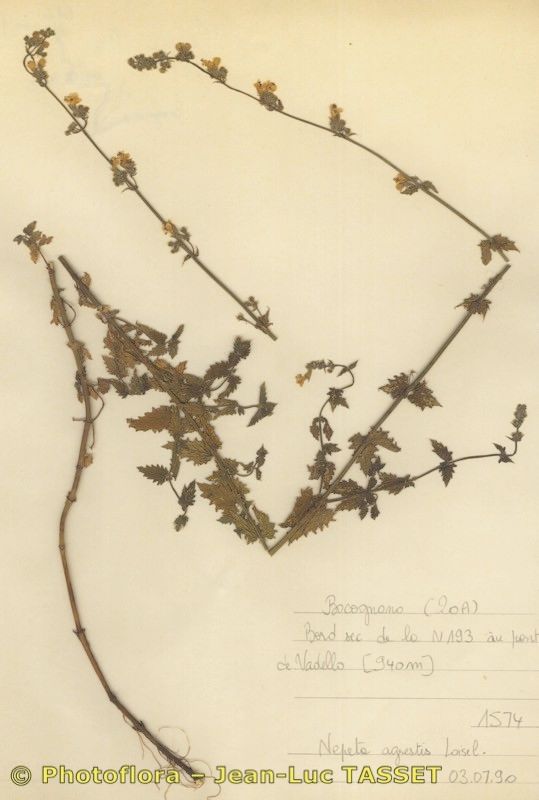
Taming the Wildcat: Easy Propagation Techniques for Nepeta Agrestis
Nepeta Agrestis, commonly known as Field Catmint, might not be as famous as its cousin Catnip, but this wild beauty offers just as much charm with its lavender-blue blooms and aromatic foliage. Best of all, propagating Nepeta Agrestis is a breeze, even for beginner gardeners. So if you’re looking to add a touch of whimsy and pollinator-friendly appeal to your garden, read on to discover how easy it is to multiply your Nepeta Agrestis.
Three Ways to Multiply Your Mint:
There are three main methods to propagate Nepeta Agrestis, each with its own advantages:
1. Seed Starting: A Game of Patience and Reward
- Best Time: Spring
- Pros: Most cost-effective method, offers the potential for a greater number of plants.
- Cons: Requires more time and patience, Nepeta Agrestis seeds can be slow to germinate.
Steps:
- Sow seeds: Sprinkle seeds on the surface of well-draining seed starting mix and lightly press them in.
- Provide light: Place the tray in a bright location, but out of direct sunlight.
- Keep moist: Mist the soil regularly to keep it consistently moist but not waterlogged.
- Be patient: Germination can take anywhere from 2 to 4 weeks.
- Transplant: Once seedlings have developed a couple sets of true leaves, transplant them into individual pots or directly into your garden.
2. Cuttings: The Fastest Route to New Plants
- Best Time: Late spring to early summer
- Pros: Fastest method, ensures you’re getting a plant genetically identical to the parent plant.
- Cons: Requires a healthy parent plant to take cuttings from.
Steps:
- Take cuttings: Using clean, sharp shears, take 4-6 inch cuttings from healthy, non-flowering stems.
- Prepare the cuttings: Remove the lower leaves from the bottom inch of the cutting.
- Encourage rooting: Dip the cut end in rooting hormone (optional but recommended).
- Plant the cuttings: Insert the cuttings into a pot filled with a well-draining potting mix.
- Keep moist: Water the cuttings regularly and maintain a humid environment by covering the pot with a plastic bag or using a propagation dome.
- Transplant: Roots should develop in 3-4 weeks. Once roots are established, transplant the cuttings into individual pots or your garden.
3. Division: Sharing is Caring (for Plants)
- Best Time: Spring or fall
- Pros: Easy and effective, allows you to thin out crowded plants.
- Cons: Requires an existing, established plant to divide.
Steps:
- Dig up the plant: Carefully dig up the Nepeta Agrestis plant you want to divide.
- Divide the roots: Using a sharp knife or garden spade, divide the plant into sections, ensuring each section has a good amount of roots and shoots.
- Replant: Replant the divided sections at the same depth they were originally growing, spacing them about 18 inches apart.
- Water thoroughly: Give the divisions a good watering to help them settle into their new homes.
Tips for Successful Propagation:
- Nepeta Agrestis prefers full sun to partial shade and well-drained soil.
- Water regularly during the first growing season to establish a strong root system.
- Once established, Nepeta Agrestis is fairly drought-tolerant.
- Deadhead spent blooms to encourage bushier growth and continuous flowering.
With a little effort and these simple techniques, you can easily propagate Nepeta Agrestis and enjoy its charming beauty and pollinator-attracting qualities in your garden for years to come!