
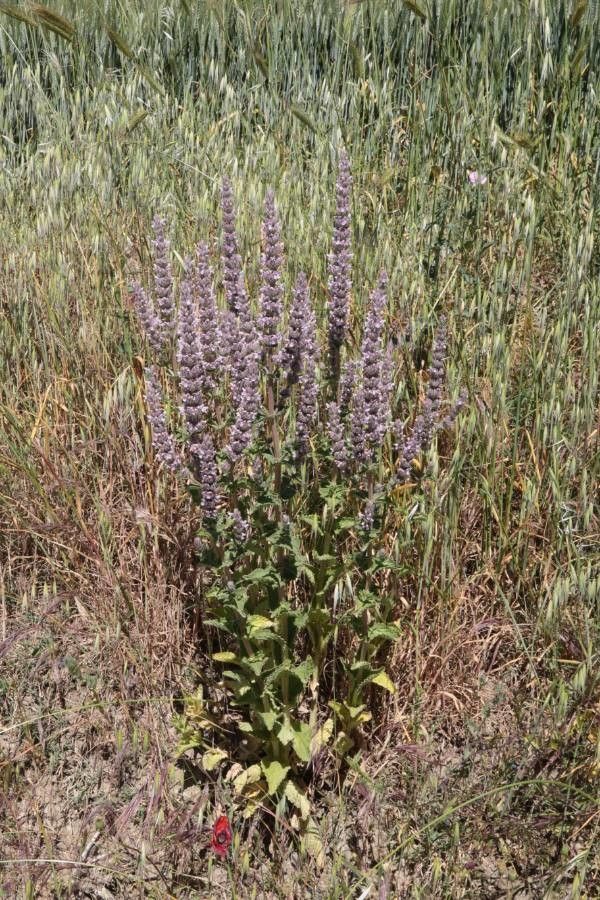
Unleash the Catnip Power! Your Guide to Propagating Nepeta Cataria (Catmint)
Nepeta cataria, better known as catnip, is a delightful herb that brings joy to both humans and our feline friends. With its beautiful lavender blooms and intoxicating fragrance (at least for the cats!), it’s a wonderful addition to any garden. But did you know that propagating catnip is surprisingly easy? You can multiply your catnip plants and share the joy with fellow cat lovers. This guide will equip you with two foolproof methods to propagate your very own catnip haven.
Method 1: Cuttings – The Cloning Conundrum
Taking cuttings is like cloning your favorite catnip plant, creating identical replicas. Here’s how to do it:
1. Timing is Key: The best time to take cuttings is in spring or early summer when the plant is actively growing.
2. Tools of the Trade: Gather a sharp, clean pair of pruning shears or a knife, a small pot, and some well-draining seed-starting mix.
3. Snip and Trim: Choose a healthy stem that’s about 4-6 inches long and free of flowers. Cut just below a leaf node (the point where a leaf emerges from the stem). Remove the bottom leaves, leaving only a few at the top.
4. Hormone Boost (Optional): While not essential, dipping the cut end in rooting hormone can encourage faster root development.
5. Plant and Pamper: Plant the cutting in the moist seed-starting mix, burying the bottom node. Place the pot in a bright location, out of direct sunlight, and keep the soil consistently moist but not soggy.
6. Root Revelation: After a few weeks, gently tug on the cutting. Resistance indicates successful rooting! You can now transplant it to a larger pot or directly into your garden.
Method 2: Seed Starting – A Game of Patience
Starting catnip from seed requires a bit more time but is equally rewarding, offering a chance to witness the entire growth cycle.
1. Sowing the Seeds: In late spring, after the last frost, sprinkle the tiny catnip seeds over the surface of a seed-starting mix. Lightly press them into the soil but avoid burying them too deep.
2. Light and Warmth: Catnip seeds need light to germinate. Keep the seed tray in a bright location, out of direct sunlight, and maintain a temperature of around 65-75°F (18-24°C).
3. Moisture is Magic: Mist the soil regularly to keep it consistently moist but not waterlogged.
4. Patience is a Virtue: Germination can take anywhere from 1 to 3 weeks. Once the seedlings have developed a few sets of true leaves, they can be transplanted into individual pots.
5. Hardening Off: Before planting outdoors, gradually acclimate your catnip seedlings to the elements by introducing them to outdoor conditions for increasingly longer periods each day.
Caring for Your Catnip Bounty:
Whether you propagated through cuttings or seeds, catnip thrives in well-drained soil and prefers full sun to partial shade. Water regularly, especially during dry spells, and fertilize sparingly. Regular pruning helps maintain a bushy shape and encourages new growth.
A Final Word:
Propagating your own catnip is an enjoyable and rewarding experience. It allows you to enjoy an abundance of this fragrant herb while providing your feline companions with hours of entertainment. So, unleash your inner gardener and propagate some catnip today – your cats will thank you for it!