
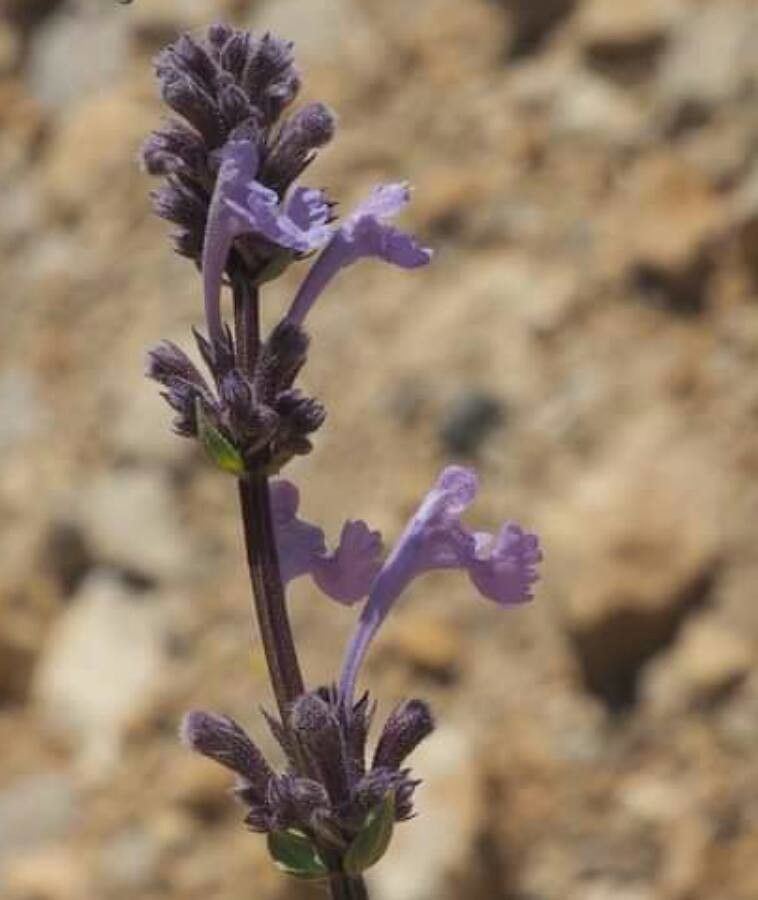
Propagating Nepeta cilicica: A Gardener’s Guide to the Cilician Catmint
Introduction:
Nepeta cilicica, commonly known as Cilician catmint, is a charming and increasingly popular addition to gardens worldwide. This hardy perennial boasts silvery-grey foliage and profuse, delicate lavender-blue flowers, adding a touch of elegance and texture to borders, rock gardens, and even containers. Its relatively compact growth habit and drought tolerance make it a low-maintenance choice for even the busiest gardener. However, while its cultivation is straightforward, propagating Nepeta cilicica can present some unique challenges, making the successful propagation of this plant a particularly rewarding endeavor.
Seed Germination:
Currently, there are no known reliable methods for seed germination propagation of Nepeta cilicica. Although seeds may be produced, germination rates are notoriously low and inconsistent, making this method impractical for most gardeners.
Cuttings:
Challenges: Success with cuttings relies on achieving proper rooting hormone application and maintaining consistently humid conditions to prevent desiccation before roots form.
Tips: Softwood cuttings taken in spring or early summer offer the best chance of success. Dip the cuttings in rooting hormone powder before planting them in a well-draining seed-starting mix kept consistently moist but not soggy. Cover the cuttings with a plastic dome or humidity tent to create a humid microclimate. Proper ventilation is crucial to prevent fungal diseases.
Rewards: Cuttings produce genetically identical plants to the mother plant, preserving desirable traits. This method is relatively quick, allowing for reasonably rapid propagation.
Division:
Challenges: Nepeta cilicica typically needs to be sufficiently established (at least 2–3 years old) before division is successful. Dividing too early or roughly can damage the plant, hindering its growth and potential for recovery.
Tips: The best time to divide Nepeta cilicica is in spring or early autumn. Gently dig up the mature plant, carefully separate it into several crowns, each with its own root system, aiming for sections with multiple shoots. Replant the divisions immediately, ensuring adequate spacing between them. Water thoroughly after planting.
Rewards: Division is a relatively straightforward and effective method for increasing the number of plants, particularly for established plants already in the garden. It’s a relatively low-cost propagation method.
Tissue Culture:
Challenges: Tissue culture requires specialized equipment, sterile conditions, and expertise in plant tissue culture techniques. It is a complex process best suited to commercial nurseries or specialized laboratories.
Tips: This method involves cultivating plant tissues in a nutrient-rich medium under aseptic conditions to induce growth into plantlets that can be eventually transplanted. Successfully propagating Nepeta cilicica through tissue culture requires detailed knowledge of plant hormone application and maintaining a highly controlled environment.
Rewards: Tissue culture offers the potential for large-scale propagation and the eradication of diseases from the mother plant. This is ideal for creating large quantities of disease-free propagation stock. However, the initial investment is considerably high.
Conclusion:
Propagating Nepeta cilicica presents a spectrum of challenges and rewards depending on the chosen method. While seed propagation is unreliable, cuttings and division provide accessible and rewarding options for the home gardener. Tissue culture offers a high-yield route but requires specialized knowledge and equipment. The effort required for successful propagation, however, is well worth the satisfaction of cultivating these beautiful plants, and adds new appreciation to their delicate lavender blooms and silvery foliage, proudly displayed in your garden. Don’t be discouraged by setbacks – experimentation and patience are key to success with this charming perennial.