
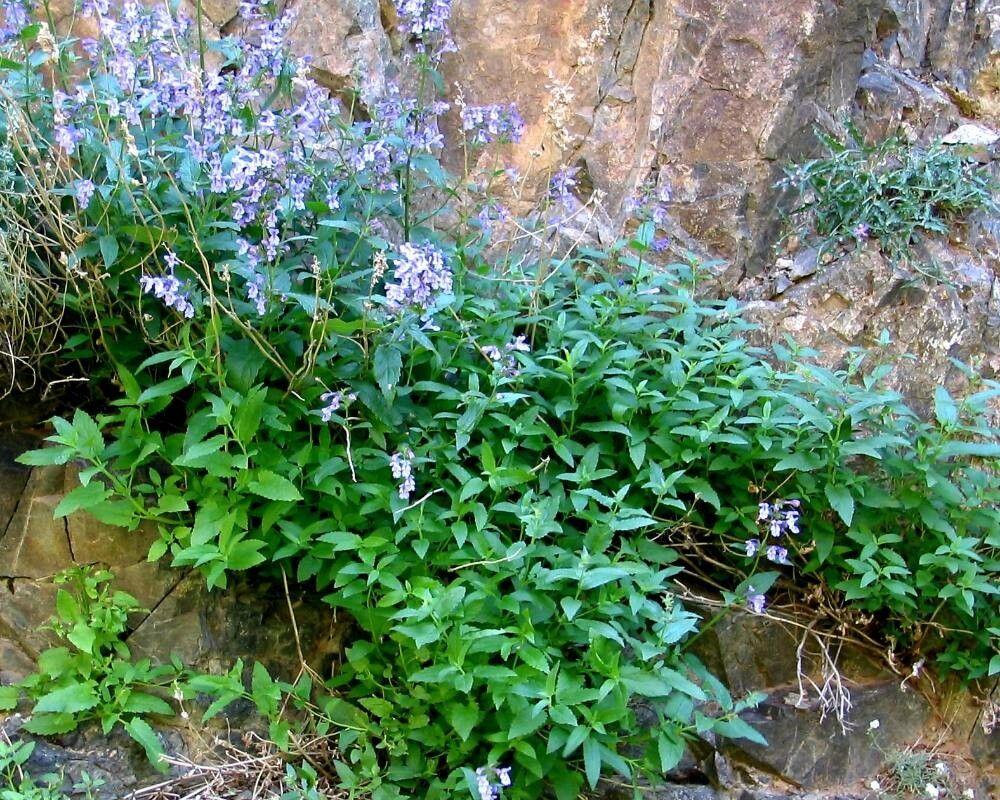
From One to Many: Easy Ways to Propagate Your Nepeta sibirica
The vibrant blooms and alluring fragrance of Nepeta sibirica, commonly known as Siberian catnip, are a welcome addition to any garden. But did you know you can easily share their beauty and scent by propagating your own plants? Whether you want to fill your garden with these lovely lavender-blue beauties or share them with friends, this guide will equip you with the knowledge to effortlessly create new plants from your existing ones.
Why Propagate?
Propagating your Nepeta sibirica offers several advantages:
- Cost-effective: Instead of purchasing new plants, you can create multiple new ones for free.
- Preserving unique traits: Propagating from cuttings or divisions allows you to preserve the exact genetic makeup of your existing plant, ensuring its distinctive characteristics are passed down to the new ones.
- Larger quantities: Multiply your plants quickly to create a stunning display or share with fellow gardening enthusiasts.
Methods of Propagation
While propagating Nepeta sibirica is generally easy, there are a few common methods that work well:
1. Seed Propagation:
- Harvest seeds: Wait for the seed pods to mature and turn brown. Collect them before they fully open and release their seeds.
- Drying seeds: Spread the collected seeds on a paper towel in a warm, dry place for a few days to allow them to dry thoroughly.
- Direct sowing: In the spring, sow the seeds directly into the ground in a sunny location. Cover the seeds lightly with soil and water them regularly.
- Starting indoors: If you live in a cooler climate, you can start the seeds indoors a few weeks before the last frost. Use individual containers or seed trays filled with seed starting mix.
2. Cuttings:
- Choose healthy stems: Select non-flowering stems that are at least 6 inches long.
- Prepare the cuttings: Use clean sharp scissors or a knife to cut the stems at an angle, just below a node (where a leaf or branch grows). Remove any leaves from the bottom 2 inches of the stem.
- Root the cuttings: Place the cuttings in a container filled with moistened rooting medium (like vermiculite or perlite). You can also use water for rooting.
- Place in a bright spot: Keep the rooting medium moist and the cuttings in a bright but indirect light location. Within a few weeks, you should see new root growth.
3. Division:
- Best time to divide: This method works best in early spring or fall after the plant has finished blooming.
- Dig up the plant: Carefully dig up the clump of Nepeta sibirica.
- Separate the plant: Use a sharp trowel or knife to divide the clump into smaller sections, each with healthy roots and foliage.
- Plant the divisions: Replant the divisions in prepared beds with well-draining soil, ensuring each section has ample space to grow.
Tips for Success
- Choose the right time: Spring and fall are generally the best times for propagating Nepeta sibirica since the weather is mild and the plants are actively growing.
- Provide appropriate light: Nepeta sibirica prefers full sun. Ensure your seedlings and cuttings receive adequate light.
- Moist but not soggy: Maintain a consistently moist, but not waterlogged, environment for your rooting cuttings and seedlings.
- Protect from pests: Keep a watchful eye for pests that may damage your plants while they are rooting or growing.
With a little patience and care, you can easily propagate your Nepeta sibirica and enjoy its enchanting fragrance and beauty in your garden for years to come. So, grab your tools and get ready to spread the love of this charming and easy-to-grow plant!