
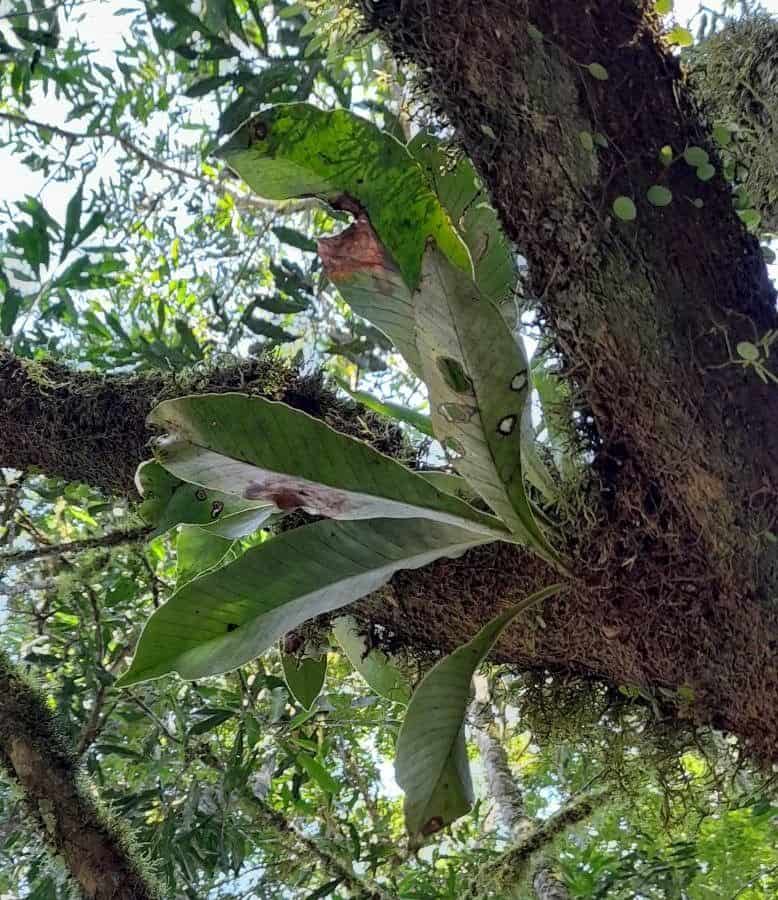
Unveiling the Secrets of Niphidium Rufosquamatum: A Propagation Guide
The Niphidium rufosquamatum, also known as the red-scaled fern, is a captivating plant with its graceful fronds and vibrant red scales. This epiphytic fern, native to the tropical rainforests of South America, can add a touch of exotic elegance to any home or garden. Intrigued? Let’s delve into the world of Niphidium rufosquamatum propagation and learn how you can cultivate more of these beauties.
Understanding the Basics
Before we dive into propagation techniques, it’s crucial to understand the Niphidium rufosquamatum’s growth habits. Unlike many ferns that reproduce through spores, this species primarily spreads through its rhizomes. Rhizomes are modified stems that grow horizontally, either at the soil surface or just below it. They produce roots on their underside and fronds on their upper side, effectively creating new plantlets along their length.
Methods for Successful Propagation
1. Rhizome Division: This is the most common and effective method for propagating Niphidium rufosquamatum. Here’s how it’s done:
- Timing is Key: Spring or early summer, when the plant is actively growing, is the ideal time for division.
- Careful Extraction: Gently remove the plant from its pot and inspect the rhizome.
- Sharp and Clean: Using a clean, sharp knife or pruning shears, divide the rhizome into sections. Ensure each section has at least a couple of healthy fronds and a good root system.
- Potting the Divisions: Plant each rhizome section in a well-draining potting mix, ensuring the top of the rhizome is level with the soil surface.
- Optimal Conditions: Place the newly potted divisions in a warm, humid location with indirect light. Water regularly, keeping the soil consistently moist but not waterlogged.
2. Spore Propagation (Advanced): While slightly more challenging, propagating Niphidium rufosquamatum from spores is possible for the adventurous gardener:
- Spore Collection: When the spores on the underside of the fronds turn dark brown or black, they are ready for collection. Carefully scrape them off onto a clean sheet of paper.
- Sowing the Spores: Fill a seed tray with a sterile seed starting mix and moisten it thoroughly. Sprinkle the spores thinly over the surface, avoiding overcrowding.
- Creating a Humid Environment: Cover the tray with a clear plastic lid or cling film to create a humid environment. Place the tray in a warm location with indirect light.
- Patience is a Virtue: Germination can take several weeks to months. Once the seedlings are large enough to handle, carefully transplant them into individual pots.
Tips for Success
- Well-Draining Soil: Niphidium rufosquamatum thrives in a loose, well-draining potting mix. A blend of peat moss, perlite, and vermicast works well.
- Humidity is Key: Mist your plant regularly or place a humidifier nearby to maintain adequate humidity levels.
- Indirect Light: While this fern appreciates bright light, it prefers indirect sunlight. Avoid placing it in direct sunlight, as this can scorch its delicate fronds.
Enjoy the Rewards
Propagating your Niphidium rufosquamatum is a rewarding experience. By following these techniques, you can expand your collection and enjoy the lush beauty of these fascinating ferns for years to come. So, why wait? Unleash your inner plant parent and start propagating!