
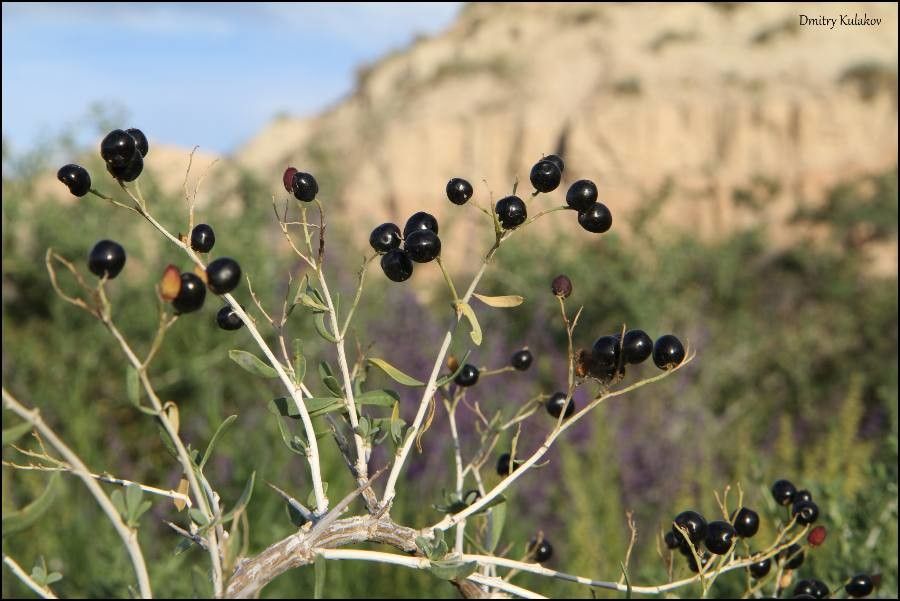
Unlocking the Secrets of Nitraria sibirica: A Guide to Propagation
Nitraria sibirica, also known as the “saltberry” or “Siberian nitre bush,” is a hardy shrub prized for its resilience in challenging environments. This remarkable plant thrives in salty, alkaline soils unsuitable for most other species, making it a fascinating subject for gardeners and nature enthusiasts alike. If you’re intrigued by Nitraria sibirica and want to cultivate this unique plant, understanding its propagation methods is key.
While not commonly found in nurseries, propagating Nitraria sibirica is achievable with some patience and the right approach. Here are the two most effective methods:
1. Seed Propagation: A Test of Patience
- Harvesting Seeds: Collect mature fruits in late summer or early fall. Each fruit typically contains a single, hard-coated seed.
- Stratification: Nitraria sibirica seeds exhibit dormancy, meaning they require a period of cold, moist storage to stimulate germination.
- In fall: Sow seeds directly into prepared outdoor beds. Winter temperatures will naturally provide the necessary stratification.
- In spring: Mimic natural conditions by cold-stratifying seeds in the refrigerator. Place them in a moist medium like vermiculite or sand, seal in a plastic bag, and store at around 4°C (39°F) for 30-60 days.
- Sowing: Plant stratified seeds in a well-draining soil mix, barely covering them with soil. Keep the medium consistently moist but not waterlogged.
- Germination: Be prepared to wait! Germination can be erratic and may take several weeks or even months.
- Seedling Care: Once seedlings emerge, provide them with ample sunlight and water regularly. Gradually acclimate them to outdoor conditions before transplanting.
2. Cutting Propagation: A Faster Route to Success
- Timing: Take semi-hardwood cuttings from healthy, mature stems in late spring or early summer.
- Cutting Preparation: Select cuttings that are about 10-15 cm (4-6 inches) long and have at least 2-3 nodes. Remove leaves from the lower half of the cutting.
- Rooting Hormone: While not strictly necessary, dipping the cut end in rooting hormone can improve success rates.
- Planting: Plant cuttings in a well-draining potting mix. Ensure at least one node is buried beneath the soil surface.
- Humidity Dome: Cover the pot with a plastic bag or humidity dome to create a warm, humid environment. Mist the cuttings regularly.
- Rooting: Cuttings usually root within 4-6 weeks. You’ll know they’ve rooted when new growth appears.
- Transplanting: Once rooted, carefully transplant the cuttings into larger containers or directly into the ground.
Tips for Success:
- Well-Draining Soil: Nitraria sibirica thrives in well-draining soil. When planting, amend the soil with sand or grit to improve drainage.
- Sunlight: Choose a location that receives at least 6 hours of direct sunlight daily.
- Watering: While drought-tolerant once established, water regularly during the first year to support healthy root development.
- Patience: Remember, Nitraria sibirica is a slow-growing plant. Don’t be discouraged if success doesn’t come instantly.
Propagating Nitraria sibirica, while requiring patience, is a rewarding experience for any plant enthusiast. By understanding the needs of this unique species, you can cultivate these hardy shrubs and enjoy their beauty and resilience in your garden.