
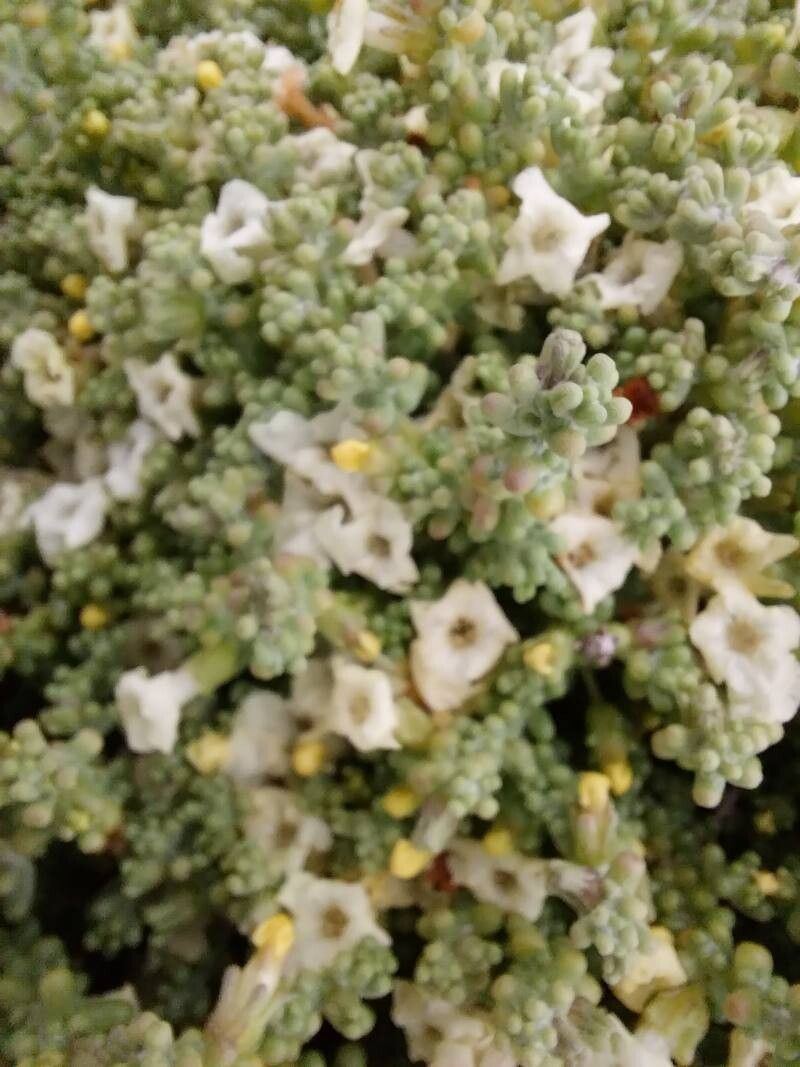
Unfurling the Secrets of the Chilean Bellflower: A Guide to Propagating Nolana Sedifolia
The Chilean Bellflower, or Nolana sedifolia, is a captivating groundcover known for its sky-blue, bell-shaped blooms and succulent-like foliage. This South American native, while relatively low-maintenance, can be a stunning addition to rock gardens, hanging baskets, or even spilling over retaining walls.
If you’ve been enchanted by this charming plant and wish to expand its presence in your garden, propagation offers a rewarding journey. Let’s delve into the methods that will help you successfully multiply your Nolana sedifolia.
1. Seed Starting: A Dance with Patience
- When to sow: Early spring offers the ideal climate for starting Nolana sedifolia from seed.
- Sowing the seeds: Use a well-draining seed starting mix and lightly press the seeds onto the surface, barely covering them.
- Moisture and Light: Maintain consistent moisture and provide bright, indirect light.
- Germination Time: Be patient, as germination can take anywhere from 2 to 4 weeks.
- Transplanting: Once the seedlings develop a couple of true leaves, they can be transplanted into individual pots or directly into your garden after the last frost.
2. Cuttings: A Faster Route to Success
Propagating Nolana sedifolia from cuttings provides a quicker method compared to seeds. Here’s how:
- Choosing Cuttings: Select healthy, non-flowering stems that are about 3-4 inches long during the active growing season (spring to early summer).
- Preparing the Cuttings: Make a clean cut just below a leaf node and remove the lower leaves, leaving 2-3 sets at the top.
- Rooting Hormone (Optional): While not mandatory, dipping the cut end in rooting hormone can encourage faster root development.
- Planting the Cuttings: Insert the cuttings into a well-draining potting mix.
- Creating a Humid Environment: Cover the pot with a plastic bag or use a propagation dome to maintain humidity and warmth.
- Root Development: You should notice new growth within a few weeks, indicating successful rooting.
- Transplanting: Once the cuttings are well-rooted, they can be transferred to larger pots or your garden.
Essential Tips for Success:
- Well-Draining Soil: Nolana sedifolia thrives in well-drained soil. Amend your soil with perlite or sand to improve drainage.
- Sunlight Requirements: This sun-loving beauty prefers at least 6 hours of direct sunlight daily.
- Watering Wisely: Allow the soil to dry out slightly between waterings to prevent root rot.
- Fertilization: Feed your plants with a balanced, diluted fertilizer every 4-6 weeks during the growing season.
Propagating your Nolana sedifolia is a fulfilling process that allows you to expand your garden with these captivating blooms. Whether you choose the patience of seeds or the swiftness of cuttings, following these tips will grant you success and a cascade of beautiful blue bellflowers.