
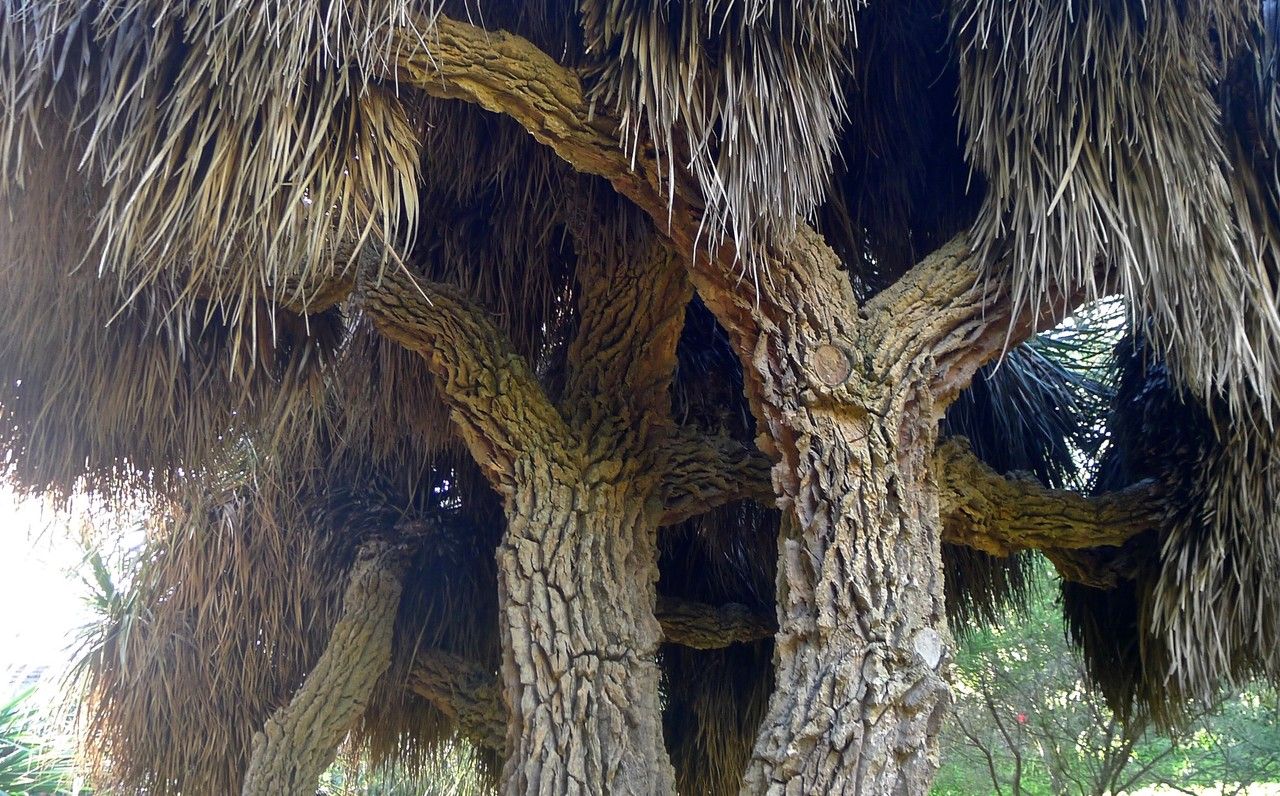
Taming the Desert Giant: Propagating Nolina bigelovii
Nolina bigelovii, also known as Bigelow’s nolina or beargrass, isn’t your average houseplant. This stunning denizen of the desert boasts an architectural form, with a sturdy trunk topped by a crown of strappy, evergreen leaves. While its slow-growing nature and imposing size might seem intimidating, propagating Nolina bigelovii is a surprisingly achievable feat.
This guide will delve into two common methods:
1. Seed Propagation: A Test of Patience
Propagating Nolina bigelovii from seed isn’t for the faint of heart. It demands patience, as germination can be slow and unpredictable. However, the reward of nurturing a plant from its earliest stage is deeply satisfying.
Here’s how:
- Obtain fresh seeds: These can be sourced online or collected directly from mature plants in late summer.
- Prepare the seedbed: Use a well-draining soil mix, ideally a blend of cactus potting mix and perlite. Sow seeds shallowly and mist with water.
- Provide warmth and light: Place the seed tray in a warm location (around 70-75°F) with bright, indirect light.
- Be patient: Germination may take several weeks or even months. Maintain a consistently moist (but not soggy) environment.
- Transplanting: Once seedlings have developed several true leaves, carefully transplant them into individual pots.
2. Offsets: The Fast Track to Success
Nolina bigelovii occasionally produces offsets, or pups, at the base of the plant. This method offers quicker results and a higher success rate compared to seed propagation.
Here’s the process:
- Identify and separate: Look for healthy offsets with a well-developed root system. Carefully detach them from the mother plant using a sharp, sterilized knife.
- Let them dry: Allow the offsets to callus over for a day or two. This helps prevent rot once planted.
- Pot them up: Plant the offsets in well-draining soil, ensuring the base of the trunk is level with the soil surface.
- Water sparingly: Allow the soil to dry out completely between waterings. Overwatering is a common pitfall and can lead to root rot.
- Provide bright light: Place the newly potted offsets in a location with bright, indirect light.
Nurturing Your New Nolinas
Regardless of your chosen propagation method, providing the right care is crucial for success:
- Light: Nolina bigelovii thrives in bright, indirect light. A south-facing window is ideal, but protect your plant from harsh, direct sunlight.
- Water: These desert dwellers are drought-tolerant and require infrequent watering. Allow the soil to dry thoroughly between waterings, and reduce watering in winter.
- Soil: Well-draining soil is critical to prevent root rot. A cactus potting mix is ideal.
- Fertilizer: Fertilize sparingly during the growing season (spring and summer) with a balanced, diluted fertilizer.
Propagating Nolina bigelovii might seem daunting at first, but with patience, the right knowledge, and a little bit of luck, you can successfully cultivate new generations of this remarkable desert plant. It’s a rewarding journey that culminates in a stunning, architectural addition to your home or garden.