
Propagating the Antarctic Beech: A Gardener’s Challenge
Introduction:
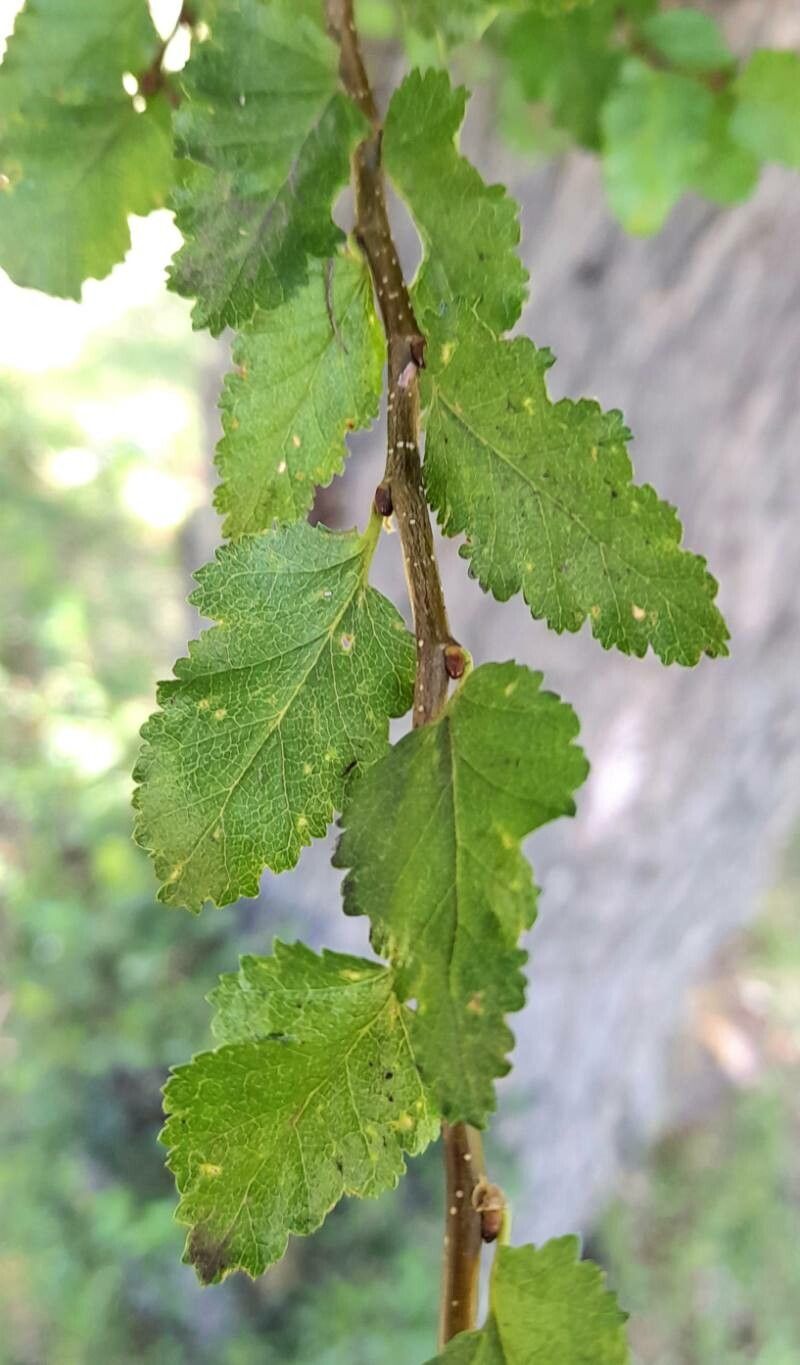
Nothofagus antarctica, commonly known as the Antarctic beech, is a captivating small deciduous tree prized for its elegant, finely serrated leaves that turn vibrant shades of yellow, orange, and red in autumn. Native to the cool, high-altitude regions of southern South America, its unique beauty and adaptability (within its preferred climate) have made it a sought-after addition to gardens in suitable zones. However, propagating this species presents unique challenges, making successful cultivation all the more rewarding. Its relatively slow growth and specific environmental needs influence its propagation methods.
Seed Germination:
Seed germination is a viable, yet challenging, method for propagating Nothofagus antarctica. The primary challenge lies in the seeds’ requirement for stratification – a period of cold, moist treatment that mimics the natural winter conditions necessary to break dormancy. Freshly collected seeds are crucial, as viability diminishes rapidly with storage.
Challenges: Low germination rates are common, even with careful stratification. Seed predation by insects or rodents can also significantly affect success.
Practical Tips: Collect seeds in autumn once fully ripe. To stratify, mix seeds with moist peat moss or perlite in a sealed container and refrigerate at approximately 4°C (39°F) for 60-90 days. After stratification, sow seeds in well-draining, slightly acidic seed-starting mix, maintaining consistently moist (but not soggy) conditions. Keep seedlings in bright, indirect light and protect from frost.
Rewards: Successfully germinated seeds offer the greatest genetic diversity, leading to a wider range of potential plant characteristics. This method is also potentially the most cost-effective for large-scale propagation, provided a reliable seed source and careful attention to detail are applied.
Cuttings:
Currently, there are no known reliable methods for propagating Nothofagus antarctica from cuttings. The species’ relatively low success rate with this method makes it impractical for most gardeners.
Division:
Division is not a feasible method for propagating Nothofagus antarctica. This tree doesn’t form readily divisible clumps or suckers, making division impossible.
Tissue Culture:
Tissue culture offers a promising, albeit highly specialized and technically demanding, approach to propagating Nothofagus antarctica. While it bypasses many of the challenges associated with seed germination and cuttings, it necessitates sterile laboratory conditions and expertise in plant tissue culture techniques.
Challenges: Establishing sterile cultures and achieving consistent growth are complex tasks requiring specialized equipment and training. Costs associated with setting up and maintaining a tissue culture lab are also significant.
Practical Tips: This method is best undertaken by professionals in a plant tissue culture laboratory.
Rewards: High multiplication rates are achievable through tissue culture, allowing for the rapid and consistent production of clones from desirable parent plants. This method also minimizes the risk of disease transmission.
Conclusion:
Propagating Nothofagus antarctica presents a spectrum of challenges, depending on the chosen method. Seed germination, while possible, requires patience, meticulous attention to detail, and a healthy dose of luck. Cuttings and division are ineffective. Tissue culture offers a superior alternative for large-scale and high-quality propagation, although it requires specialized skills and resources.
Despite these difficulties, successfully cultivating an Antarctic beech from seed or through tissue culture provides a unique sense of accomplishment. The enduring beauty of this remarkable tree, combined with the effort required to propagate it, creates a profoundly rewarding gardening experience. For the determined gardener, the journey is as fulfilling as the destination. Begin with readily available seeds (preferably fresh), carefully following the stratification guidelines, and don’t be discouraged by initial setbacks – perseverance is key to success with this challenging yet rewarding species.