
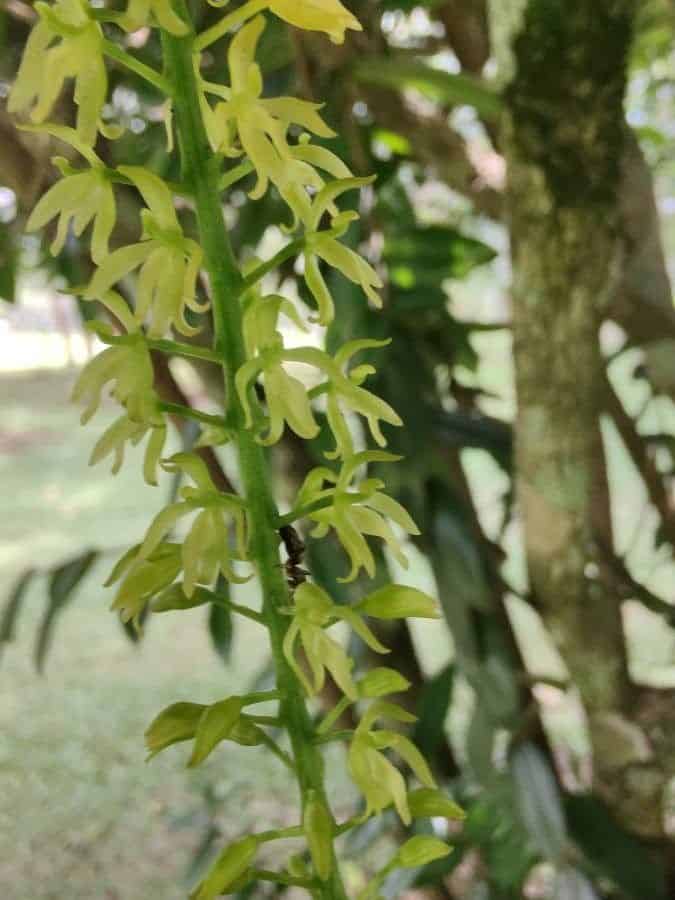
Unleashing the Arrow: Propagating the Unique Notylia sagittifera Orchid
The world of orchids is mesmerizing, filled with an astounding array of shapes, sizes, and colors. Among these botanical wonders sits the Notylia sagittifera, a miniature marvel that captures the heart with its unique charm and, yes, somewhat strange beauty. But have you ever considered propagating this intriguing orchid at home? It’s a rewarding challenge that’s well within reach – even for beginners.
Understanding the Notylia sagittifera
Before diving into propagation, let’s get acquainted with this fascinating orchid. Native to Central and South America, the Notylia sagittifera is known for its compact size and cascading chains of small, yellow-green flowers that resemble tiny arrows – hence the name "sagittifera," meaning "arrow-bearing." This epiphyte thrives in warm, humid environments with bright, indirect light, mimicking its natural habitat in the rainforest canopy.
Propagation Methods: Unveiling the Options
While growing from seed is possible, it requires specialized knowledge and sterile lab conditions. For the home grower, two methods stand out:
1. Division: This method is ideal for mature, healthy plants with multiple growths or "pseudobulbs." Here’s how:
- Timing: It’s best to divide during the plant’s active growth period, typically in spring or early summer.
- Process:
- Carefully remove the plant from its pot.
- Gently untangle the roots and identify sections with at least 3-4 healthy pseudobulbs.
- Using a sterilized knife or shears, divide the rhizome (the horizontal stem connecting the pseudobulbs).
- Dust the cut ends with cinnamon or a fungicide to prevent infection.
- Pot the divisions in a well-draining orchid mix, ensuring the base of the pseudobulbs sits slightly above the potting medium.
2. Keiki Propagation: Occasionally, Notylia sagittifera will produce "keikis" – baby plants that develop on the flower spike. These offer a foolproof way to propagate:
- Patience is key: Wait until the keiki develops at least 3 roots and 2-3 leaves before removing it.
- Gentle Removal: Using a sterile blade, carefully separate the keiki from the mother plant.
- Potting: Plant the keiki in a small pot with a suitable orchid mix, ensuring the roots are comfortably covered.
Post-Propagation Care: Nurturing New Beginnings
Successfully propagating your Notylia sagittifera is only half the battle. Providing the right care afterward is crucial for their survival and future blooms:
- Light: Choose a bright location out of direct sunlight. A south or east-facing window with a sheer curtain is ideal.
- Humidity: Aim for 50-70% humidity. Group plants together, use a humidifier, or place the pot on a tray filled with water and pebbles.
- Watering: Water thoroughly when the potting mix approaches dryness, allowing excess water to drain completely.
- Fertilizer: Feed with a diluted orchid fertilizer every other week during the growing season, reducing frequency in winter.
Propagating Notylia sagittifera is a rewarding experience that allows you to multiply your collection and share the joy of these fascinating orchids with others. With patience, attention to detail, and a dash of love, you’ll soon be enjoying a flourishing family of these arrow-bearing beauties.