
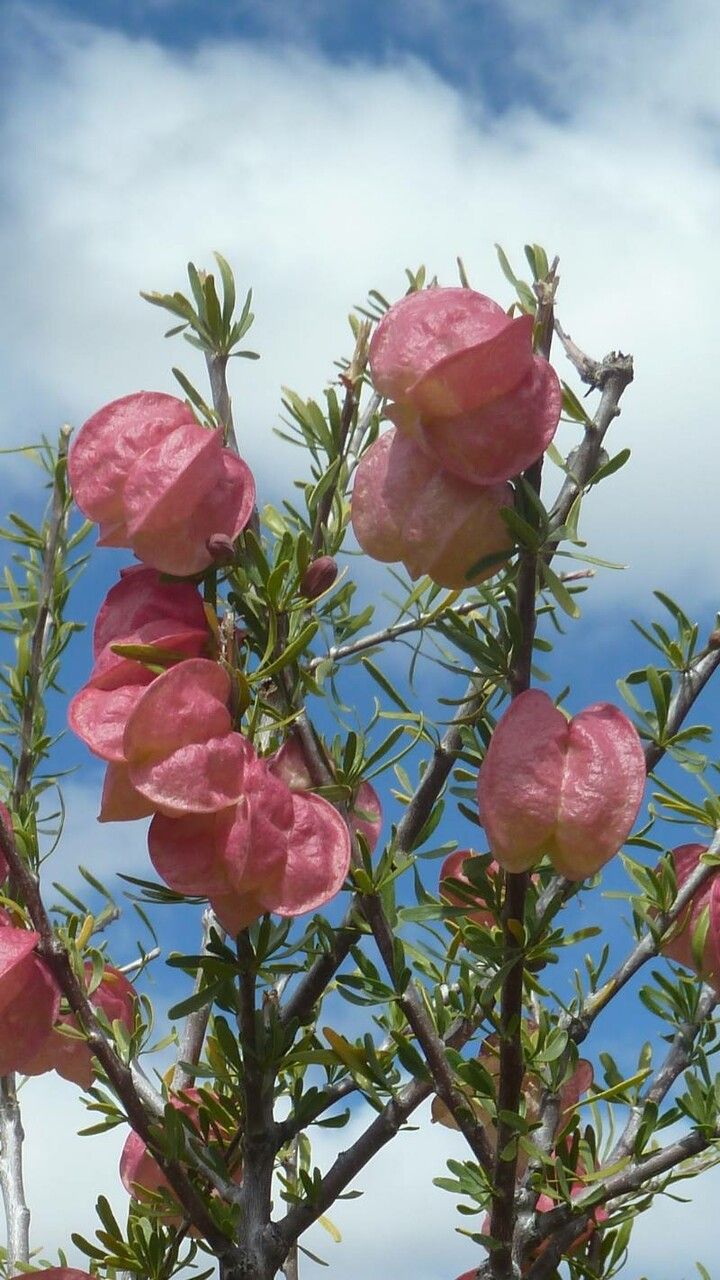
Taming the Fire Lily: A Guide to Propagating Nymania capensis
The “Chinese Lantern” or “Fire Lily,” as Nymania capensis is commonly known, is a showstopper in any garden. Native to Southern Africa, this unique plant draws attention with its vibrant, lantern-shaped seed pods that transition from green to fiery red. But its beauty can be fleeting, as Nymania capensis is classified as a tender shrub, susceptible to frost and best grown as an annual in colder climates. The good news? Propagating this fiery wonder is achievable and rewarding, allowing you to enjoy its brilliance year after year.
Two Roads to Flame: Seed vs. Cuttings
Nymania capensis can be propagated in two primary ways: by seed and by cuttings. Each method has its own pros and cons:
1. Seed Propagation: Embracing the Cycle of Life
- Pros: Seed starting is generally considered the easier method, ideal for beginners. It’s also a cost-effective way to grow numerous plants.
- Cons: Germination can be slow and inconsistent, requiring patience. You’ll need to start seeds indoors well in advance of the last frost.
Steps for Seed Propagation:
- Harvesting Seeds: Collect mature seed pods when they turn brown and papery. Gently crack them open to reveal the small, black seeds inside.
- Pre-treatment (Optional): Soaking seeds in warm water for 24 hours can help soften the outer shell and improve germination rates.
- Sowing: Sow seeds in a well-draining seed-starting mix, lightly covering them with soil.
- Environment: Provide warmth (around 70-75°F) and consistent moisture to the seed tray. Using a heat mat and humidity dome can be beneficial.
- Germination: Be patient! Germination can take anywhere from a few weeks to a couple of months.
- Transplanting: Once seedlings develop a few sets of true leaves, transplant them into individual pots. Gradually acclimate them to outdoor conditions before planting in the garden after the last frost.
2. Cutting Propagation: Cloning Your Fiery Friend
- Pros: Cuttings generally root faster than seeds and offer a head start on the growing season. This method ensures you’re replicating the exact characteristics of the parent plant.
- Cons: Success rates can vary, and it requires a bit more finesse compared to seed propagation.
Steps for Cutting Propagation:
- Timing: Take cuttings in the spring or early summer from healthy, non-flowering stems.
- Preparing the Cutting: Using clean, sharp shears, cut a 4-6 inch section from the tip of the stem, making the cut just below a leaf node. Remove the lower leaves, leaving only a few at the top.
- Hormone Treatment (Optional): Dipping the cut end in rooting hormone can promote faster and more successful rooting.
- Planting: Insert the cutting into a well-draining rooting medium, burying the bottom node.
- Environment: Maintain high humidity and warmth around the cutting. Using a humidity dome or enclosing the pot in a plastic bag can help.
- Rooting: Roots should develop in a few weeks. Once new growth appears, you can carefully transplant the rooted cutting into a larger pot.
Taming the Flame: Caring for Your Nymania Capensis
Regardless of the propagation method, Nymania capensis prefers well-drained soil and a sunny location. Water regularly, allowing the soil to dry slightly between waterings. Protect it from frost, and enjoy the captivating spectacle of the “Fire Lily” year after year!