
Unlocking the Secrets of Ocotea Glomerata Propagation: A Guide for Plant Lovers
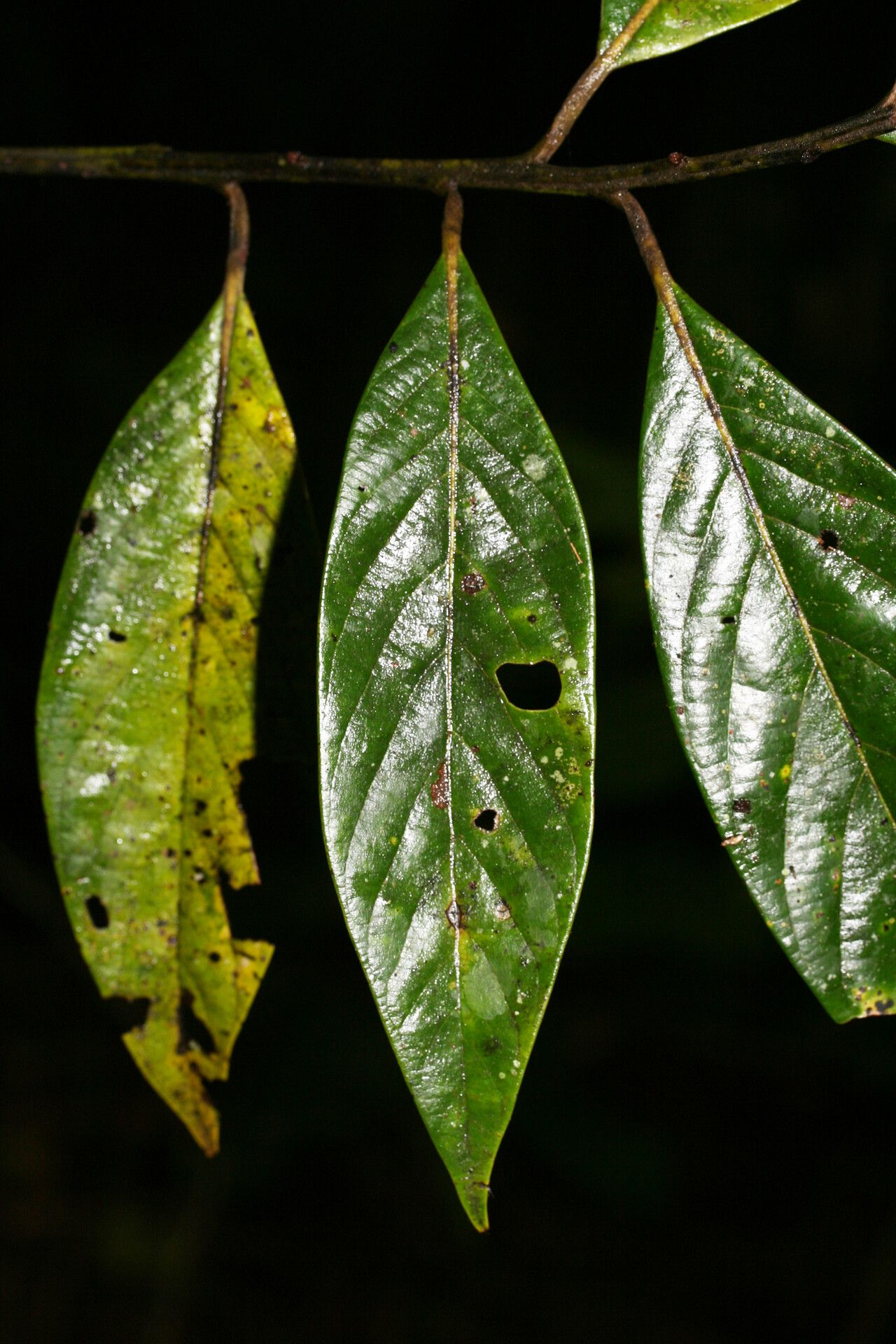
The Ocotea glomerata, with its glossy leaves and elegant branching, is a captivating tree native to the Americas. Whether you know it as the “Laurel Comino” or simply admire its beauty from afar, the thought of cultivating this tropical wonder likely crossed your mind. While it might seem daunting, propagating Ocotea glomerata is achievable with patience, dedication, and the right knowledge. Let’s explore the world of Ocotea glomerata propagation, diving into the techniques that yield the best results.
Two Paths to Success: Seeds vs. Cuttings
Ocotea glomerata can be propagated through two primary methods: seeds and cuttings. Each comes with its own set of advantages and challenges:
Seed Propagation: Starting Ocotea glomerata from seed offers a rewarding experience, allowing you to witness the entire life cycle of this magnificent tree. However, seed viability can be an issue. Look for fresh seeds from reputable sources for optimal germination rates.
- Cutting Propagation: This method, while more challenging, often yields quicker results. It involves taking cuttings from healthy, mature trees and encouraging them to develop roots. Success with cuttings hinges on proper selection, preparation, and care.
Seed Propagation: A Step-by-Step Guide
Source Your Seeds: Obtain fresh Ocotea glomerata seeds from reliable vendors or online nurseries specializing in tropical species.
Prepare a Seedbed: Opt for a well-draining seed starting mix and moisten it evenly.
Sowing the Seeds: Gently sow the seeds at a depth of about half an inch.
Providing Warmth and Humidity: Ocotea glomerata seeds thrive in warm and humid environments. Consider using a propagation dome or placing the seed tray in a warm, humid location.
- Patience is Key: Germination can take several weeks or even months. Be patient and continue to provide consistent moisture and warmth.
Cutting Propagation: Mastering the Art
Selecting the Right Cuttings: Choose healthy, semi-hardwood cuttings from vigorous branches during the active growing season. Ideally, the cutting should be 6-8 inches long and have several nodes.
Prepare the Cuttings: Remove the leaves from the bottom third of the cutting. Make a clean cut just below a node and consider using a rooting hormone to increase the chances of success.
Plant the Cuttings: Insert the prepared cuttings into a well-draining rooting medium, burying at least one node.
Create a Humid Environment: Use a humidity dome or plastic bag to create a warm, moist environment around the cuttings.
- Monitor and Be Patient: Rooting can take several weeks. Be sure to maintain consistent moisture and check for signs of root development.
Nurturing Your Ocotea Glomerata
Once your seeds germinate or your cuttings develop roots, it’s essential to provide the right growing conditions. Ocotea glomerata prefers:
- Well-Draining Soil: Avoid waterlogged soil to prevent root rot.
- Bright, Indirect Light: While they appreciate some sunlight, protect them from harsh, direct rays.
- Moderate Watering: Water thoroughly when the soil is dry to the touch.
- Warm Temperatures: Maintain temperatures above 60°F (15°C) for optimal growth.
Propagation is a Journey of Patience and Care
Propagating Ocotea glomerata is a rewarding endeavor for plant enthusiasts. Whether you choose the path of seed or cuttings, success hinges on understanding the plant’s needs and providing the optimal environment for growth. Embrace the journey, be patient, and soon you’ll be rewarded with the satisfaction of nurturing new life into these captivating trees.