
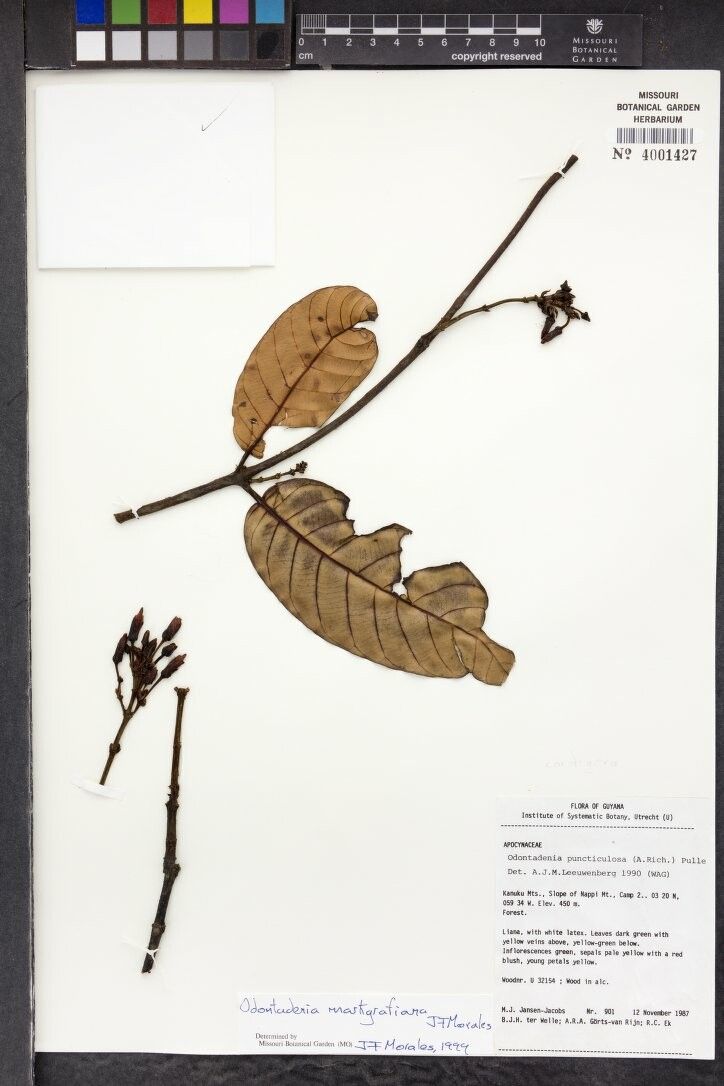
Unveiling the Secrets: Propagating the Rare Odontadenia Markgrafiana
The world of plants is full of hidden gems, and the Odontadenia markgrafiana, with its vibrant yellow flowers and glossy foliage, is undoubtedly one of them. This rare, tropical climber, native to South America, can be a stunning addition to any plant lover’s collection, but acquiring one can be tricky. So, what’s the secret to welcoming this beauty into your home? Propagation! While it requires a bit of patience and a gentle touch, propagating Odontadenia markgrafiana is achievable and incredibly rewarding.
Before we delve into the techniques, let’s understand what makes this plant tick. Odontadenia markgrafiana thrives in warm, humid environments with bright, indirect light. Mimicking these conditions is crucial for successful propagation.
Here are the two most effective methods for propagating Odontadenia markgrafiana:
1. Stem Cuttings: The Go-To Technique
This method involves taking cuttings from a healthy mother plant, encouraging them to develop roots and grow into independent plants. Here’s a step-by-step breakdown:
- Timing: Spring and early summer, when the plant is actively growing, are ideal for taking cuttings.
- Tools: You’ll need a sharp, sterilized pruning shears or knife, a rooting hormone (powder or gel form), a well-draining potting mix, and small pots or trays.
- Cutting Selection: Select healthy, non-flowering stems that are about 4-6 inches long. Look for nodes on the stem, as this is where the roots will develop. Make a clean cut just below a node.
- Preparation: Remove the leaves from the lower half of the cutting to prevent them from rotting in the soil. Dip the cut end into the rooting hormone, ensuring good coverage.
- Planting: Create a small hole in the moist potting mix and gently insert the cutting. Firm the soil around the base.
- Environment: Place the cuttings in a warm, humid environment with bright, indirect light. A propagator or humidity dome can be extremely beneficial.
- Patience is Key: It may take several weeks for roots to develop. Avoid disturbing the cuttings during this time. Once you see new growth, it’s a sign that your cuttings have successfully rooted!
2. Layering: Encouraging Natural Root Development
This method takes advantage of the plant’s natural ability to grow roots from its stems while still attached to the mother plant.
- Selection: Choose a healthy, flexible stem that can easily reach the soil.
- Preparation: Lightly wound the stem at a point that will be buried (this encourages root development) and apply rooting hormone to the wounded area.
- Layering: Bend the stem down and bury the wounded portion in a pot of moist potting mix, securing it with a stake or a rock. The tip of the stem should remain above the soil.
- Care: Keep the soil consistently moist and provide the same environmental conditions as you would for stem cuttings.
- Separation: Once the layered stem develops a healthy root system (usually within a few months), you can carefully sever it from the mother plant.
Post-Propagation Care:
Whether you choose stem cuttings or layering, once your new Odontadenia markgrafiana plants are established, provide them with the same care as the mother plant – warmth, humidity, bright, indirect light, and well-draining soil.
Propagating Odontadenia markgrafiana may require a bit of effort, but witnessing new life sprout from a cutting or a layer is a truly fulfilling experience. With patience and the right techniques, you can expand your plant family with this rare and beautiful tropical climber.