
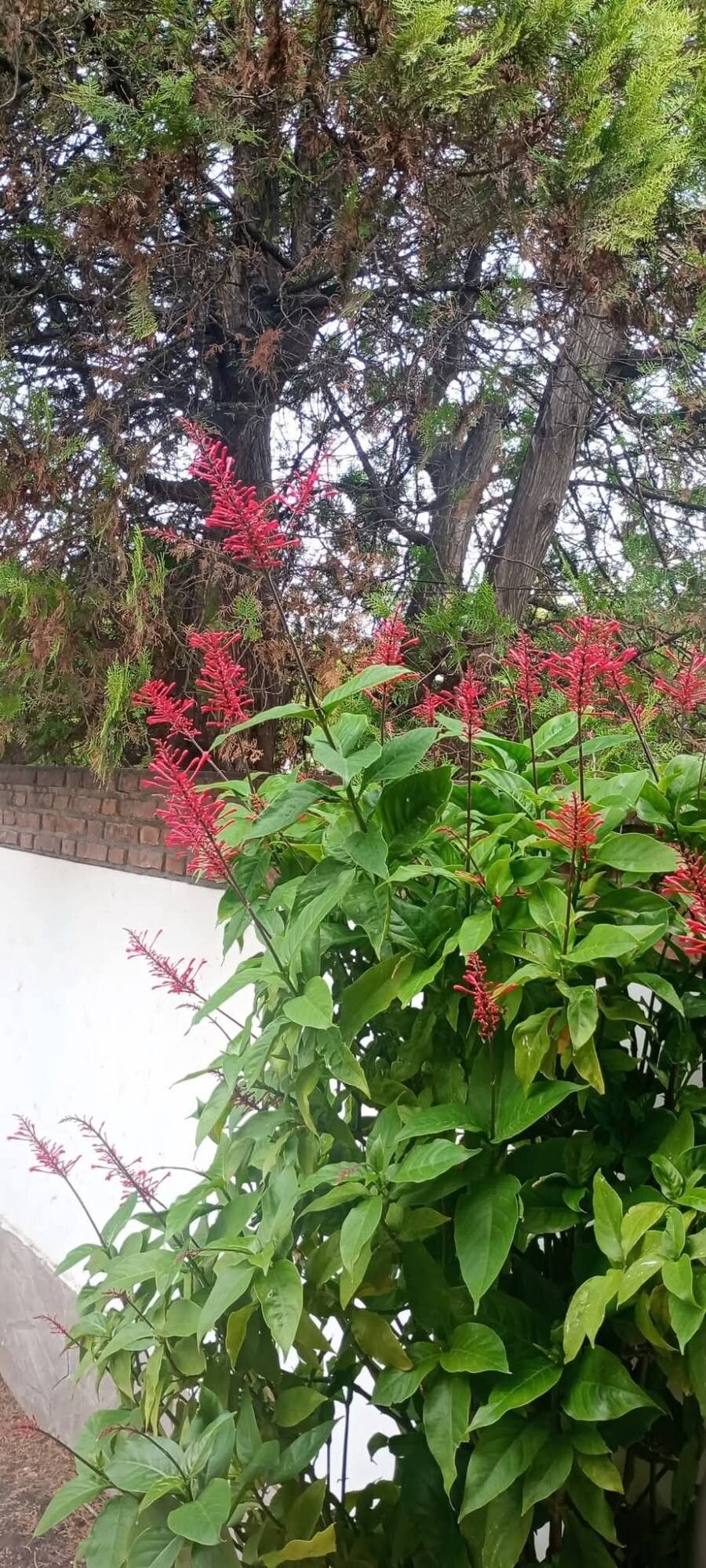
Propagating Odontonema cuspidatum: Fireworks in Your Garden
Odontonema cuspidatum, commonly known as the firecracker plant, is a striking tropical shrub celebrated for its vibrant, scarlet flower spikes that resemble, as its common name suggests, a string of firecrackers. Its relatively long blooming period, ease of care (once established), and attractive foliage make it a popular choice among gardeners, particularly those in warmer climates. However, propagating this beauty can present unique challenges. This article explores various propagation methods, highlighting their successes and difficulties.
Seed Germination:
Currently, there are no known reliable methods for seed germination propagation of Odontonema cuspidatum. While the plant does produce seeds, their germination rate is notoriously low, and success is largely unpredictable. Factors such as seed maturity, storage conditions, and specific environmental cues likely play a significant role, but these haven’t been effectively determined to create a reliable process. Further research is needed to unravel the intricacies of Odontonema cuspidatum seed germination.
Cuttings:
Propagating Odontonema cuspidatum via stem cuttings is a considerably more reliable method than seed germination.
Challenges: Success relies on providing consistently warm and humid conditions to prevent cuttings from drying out before rooting. Furthermore, the use of rooting hormone is highly recommended to improve the chances of success.
Practical Tips: Take semi-hardwood cuttings (about 4-6 inches long) from new growth in spring or summer. Remove lower leaves and dip the cut end in a rooting hormone powder. Plant the cuttings in a well-draining propagation mix (e.g., perlite and peat moss), keeping them consistently moist but not waterlogged. Cover the cuttings with a humidity dome or plastic bag to maintain high humidity. Place the cuttings in a warm, bright location (avoid direct sunlight). Rooting typically takes several weeks.
Rewards: Cuttings offer a relatively quick and straightforward method for increasing the number of plants, preserving specific desirable traits from a mother plant, and is significantly more reproducible than attempts at seed propagation.
Division:
Division is another viable propagation method, particularly for established plants.
Challenges: This method only works for mature plants with well-developed root systems. Care must be taken to avoid damaging the roots during the division process. Each divided section needs to have sufficient roots and foliage to survive independently.
Practical Tips: Divide the plant in the spring or early summer. Carefully dig up the plant and gently separate it into several smaller sections, ensuring each section has a healthy root system and several stems. Replant the divisions in well-prepared soil, ensuring adequate watering to help them establish.
Rewards: Division offers a fast way to multiply already established, healthy plants, preserving the genetic characteristics of the parent plant, and is generally less complicated than cuttings for experienced gardeners.
Tissue Culture:
Tissue culture propagation of Odontonema cuspidatum is possible, offering a significant advantage for large-scale propagation and disease-free plant production.
Challenges: Tissue culture requires specialized equipment, a sterile environment, and a thorough understanding of plant tissue culture techniques. This method is more technically demanding and requires specific expertise and resources, making it less accessible to the average home gardener.
Practical Tips: Sterile procedures are paramount. This involves using a laminar flow hood and sterile media. Explant selection, media composition, and hormonal regulation are crucial for successful shoot multiplication and rooting.
Rewards: Mass production of genetically uniform plants free from diseases is the key benefit. This is invaluable for commercial propagation and efficient large-scale cultivation.
Conclusion:
Propagating Odontonema cuspidatum presents different challenges and rewards depending on the chosen method. While seed germination is currently unreliable, cuttings and division provide accessible options for home gardeners looking to increase their stock. Tissue culture, while demanding, offers a powerful tool for large-scale production. The unique satisfaction of successfully cultivating this fiery beauty, particularly using challenging methods like cuttings, comes from overcoming these hurdles. The vibrant blooms that reward your efforts are a testament to the dedication and mastery involved in propagating this exceptional plant. So, don’t be discouraged by the initial challenges; embrace the process, experiment with different techniques, and enjoy the journey towards a garden bursting with the fiery brilliance of Odontonema cuspidatum.