
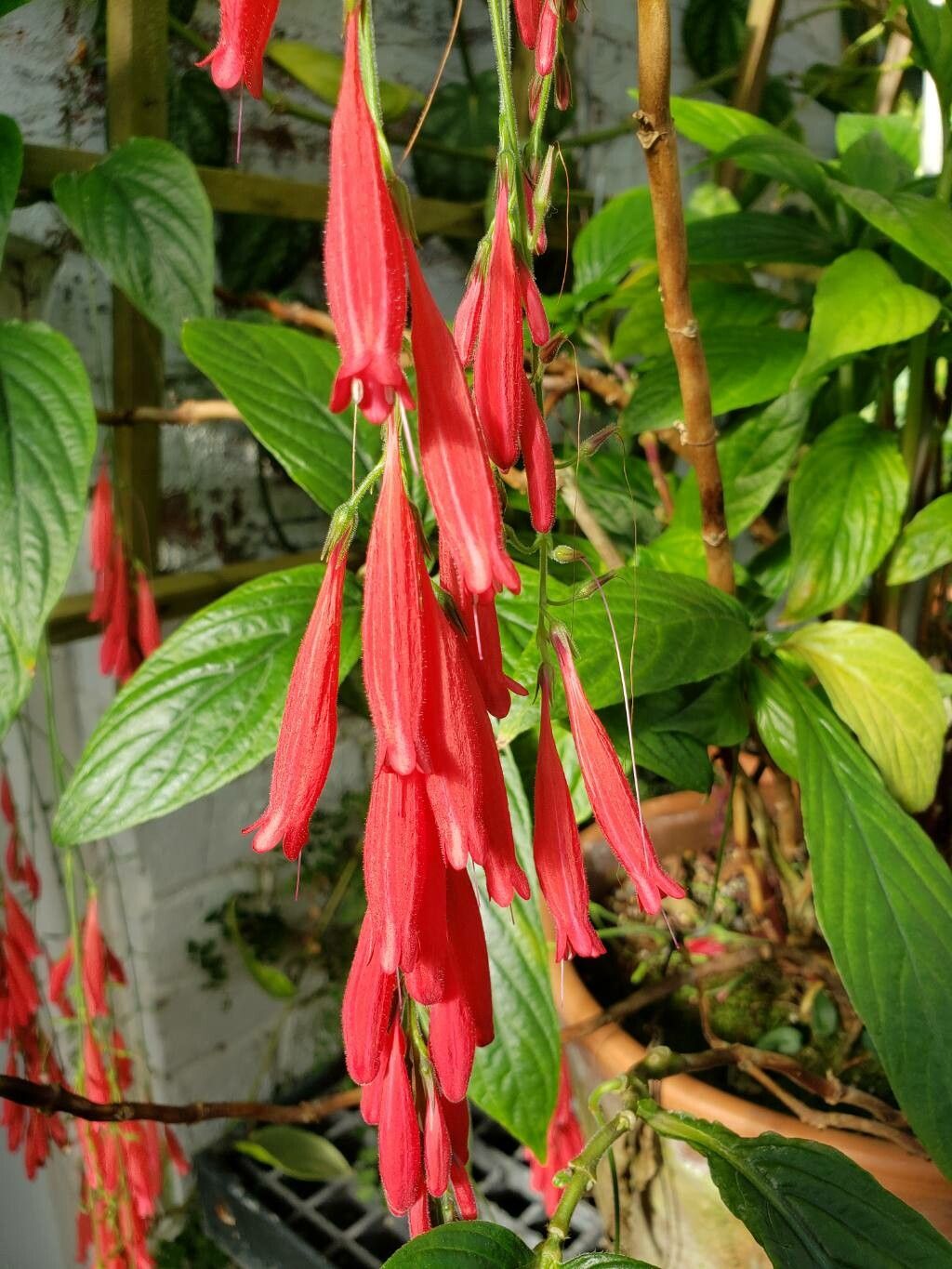
Propagating the Fiery-Red Odontonema: A Gardener’s Guide
Introduction:
The Odontonema schomburgkianum, commonly known as the fiery-red odontonema or prince’s plume, is a captivating tropical shrub prized for its vibrant, scarlet flower spikes that bloom profusely over extended periods. Its upright habit, relatively low maintenance, and stunning display make it a popular choice among gardeners seeking a striking addition to their landscape or container gardens. However, propagating this beauty can present some unique challenges. Its success depends heavily on understanding the optimal technique and adhering to specific environmental requirements.
Seed Germination:
Currently, there are no known reliable methods for seed germination propagation of Odontonema schomburgkianum. While the plant does produce seeds, germination rates are notoriously low and inconsistent under typical horticultural conditions. Further research is needed to ascertain optimal germination techniques, perhaps involving specific stratification or pre-treatment methods, but currently, this method is not recommended for propagation.
Cuttings:
Challenges: Cuttings are the most commonly employed and often the most successful method for propagating Odontonema schomburgkianum. However, success relies on maintaining high humidity and preventing fungal infections. The semi-hardwood cuttings are more successful than softwood cuttings.
Practical Tips: Take semi-hardwood cuttings (about 4-6 inches long) from non-flowering stems in spring or early summer. Remove lower leaves, dip the cut ends in rooting hormone, and plant them in a well-draining propagation mix (e.g., perlite and peat moss). Cover the cuttings with a clear plastic dome or bag to maintain high humidity, keeping the mix consistently moist but not soggy. Provide bright, indirect light and bottom heat if possible to speed up the rooting process.
- Rewards: Cuttings offer a relatively straightforward method for producing clones of the parent plant, preserving desirable traits. This is particularly valuable if you possess a particularly vigorous or stunning specimen. It’s also a cost-effective option compared to tissue culture.
Division:
Challenges: Division is a feasible method only for established, mature plants. Care must be taken not to damage the root system during the process. Successfully dividing a plant to create healthy, independent divisions with sufficient roots requires care.
Practical Tips: In spring, carefully dig up the mature plant and gently separate it into smaller divisions, each with its own healthy root system and several stems. Replant the divisions immediately in well-prepared soil, ensuring sufficient spacing for future growth. Water thoroughly after planting.
- Rewards: Division provides a quick way to increase the number of plants and is less technically demanding than cuttings or tissue culture. It is however limited by the size and maturity of the parent plant.
Tissue Culture:
Challenges: Tissue culture, while capable of producing large quantities of plants quickly, requires specialized equipment, sterile conditions, and a certain level of expertise. It is also a more expensive method. Developing optimal protocols for Odontonema schomburgkianum might involve some experimentation to determine the best growth media and hormone concentrations.
Practical Tips: This method would require the expertise of a tissue culture laboratory. Protocols would need to be developed for this plant, focusing on explant selection, nutrient media composition, and contamination control.
- Rewards: Tissue culture provides the highest potential for large-scale propagation of identical plants, ensuring uniformity and quality control. It is also useful for disease elimination and preservation of rare varieties
Conclusion:
Propagating Odontonema schomburgkianum presents various challenges, with cuttings emerging as the most reliable method for the home gardener. While seed germination remains an elusive prospect and tissue culture demands specialized resources, the rewards of successfully cultivating this vibrant plant from a cutting or through division make the effort worthwhile. The fiery-red plumes that burst forth, a testament to your horticultural dedication, offer a uniquely satisfying experience that transcends the initial difficulties encountered. Don’t be discouraged by initial setbacks. Experimentation, patience, and attention to detail are key to success in propagating this striking tropical beauty.