
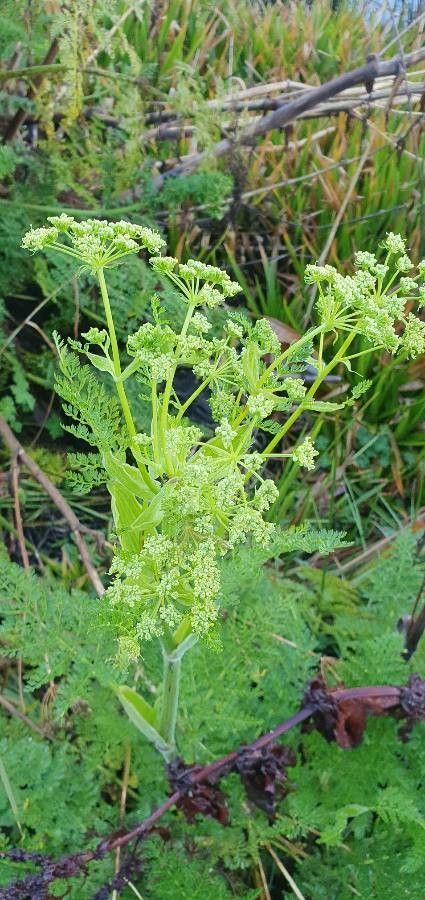
Taming the Wild Water Dropwort: Propagating Oenanthe palustris
Oenanthe palustris, more commonly known as Water Dropwort, is a plant with a flair for the dramatic. Found gracing the edges of ponds and streams with its delicate, feathery foliage and clusters of white flowers, it’s a sight to behold. However, beneath this beauty lies a hidden danger – Water Dropwort is highly toxic in its wild form.
But don’t let that scare you away! Its ornamental value and interesting growth habits make it an appealing choice for adventurous gardeners who want to introduce a touch of wildness to their water features. The key lies in understanding how to propagate and manage Oenanthe palustris responsibly.
Two Paths to Propagation:
While generally known for its wild nature, Water Dropwort can be propagated in two main ways:
Seed Propagation: This method, while more time-consuming, allows you to start from scratch and witness the entire growth cycle. Collect seeds from mature plants in late summer or autumn. Be sure to wear gloves when handling any part of the plant. Sow the seeds in a damp, peaty mix and keep them in a cool, shaded spot. Germination can be erratic, so patience is key.
- Division: For a quicker and often more successful method, consider division. In spring, carefully dig up an established plant (again, wearing gloves!) and gently separate the root ball into smaller sections, ensuring each section has a good amount of roots and shoots. Replant these divisions in their desired locations.
Creating the Perfect Watery Abode:
Oenanthe palustris thrives in shallow, slow-moving or still water. When planting, consider these factors:
- Sunlight: Aim for a location that receives partial shade, especially during the hottest hours of the day.
- Water Depth: Plant in waterlogged soil or submerge the pot with the crown of the plant just above the waterline (around 1-2 inches).
- Soil Type: Opt for a heavy, clay-rich soil with plenty of organic matter.
Safety and Management:
Always remember:
- Toxicity: Oenanthe palustris contains highly poisonous toxins. Never ingest any part of this plant, and always wear gloves when handling it. Supervise children and pets around the plant.
- Spread: Water Dropwort can be quite vigorous. To prevent it from becoming invasive, grow it in containers submerged in your pond or create physical barriers within the water feature. Regularly check for any unwanted spread and remove it promptly.
Reaping the Rewards:
With proper care and a healthy dose of caution, growing Oenanthe palustris can be an immensely rewarding experience. The sight of its delicate leaves dancing in the breeze, topped with fluffy white flowers, adds a touch of ethereal beauty to any water garden. Remember, responsible cultivation and appreciation for this wild beauty go hand in hand.