
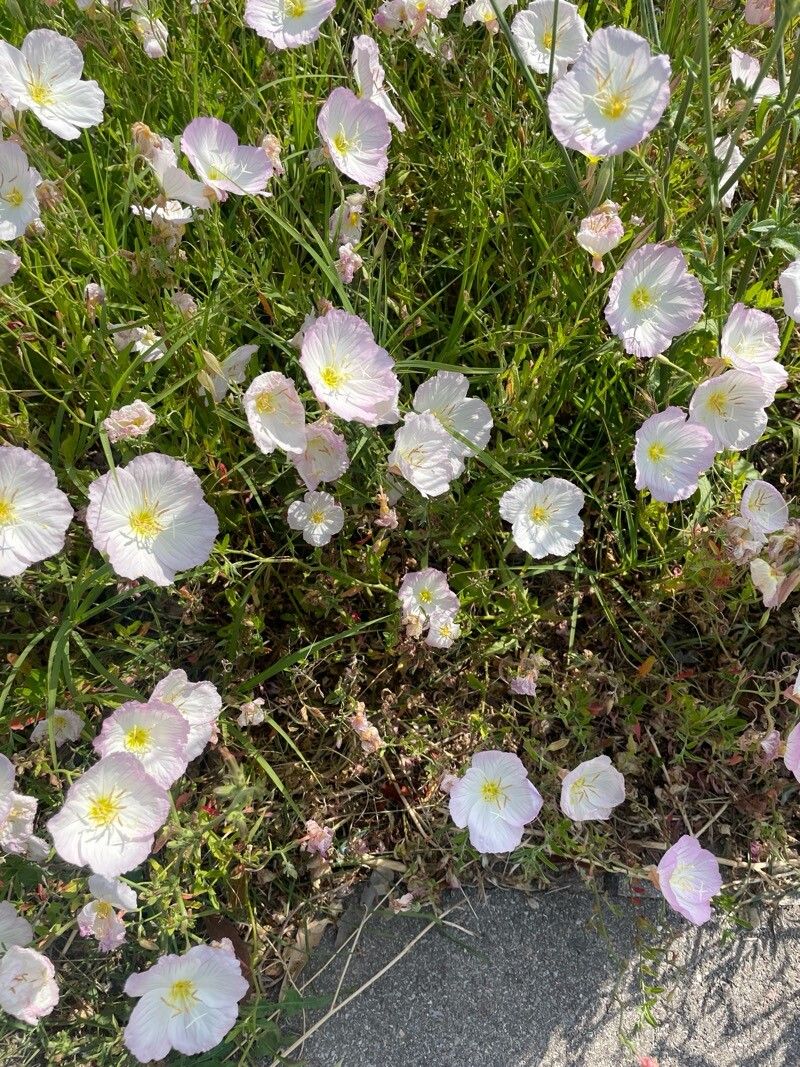
Propagating Whiteflower Evening Primrose (Oenothera albicaulis): A Gardener’s Guide
Introduction
Oenothera albicaulis, commonly known as Whiteflower Evening Primrose, is a charming perennial native to western North America. Its delicate, fragrant white flowers, which open in the evening, make it a beloved addition to gardens, especially those aiming for a naturalistic or wildflower aesthetic. Its adaptability to various soil types and ease of establishment contribute to its popularity. However, propagating this beauty can present unique challenges, making successful cultivation all the more rewarding. This article explores several propagation methods, highlighting their viability and offering practical tips to increase your chances of success.
Seed Germination
Seed germination is a viable method for propagating Oenothera albicaulis. However, it presents some challenges. Many Oenothera species exhibit seed dormancy, and O. albicaulis is no exception. Seeds often benefit from a period of cold stratification.
Challenges: Seed dormancy can significantly delay germination, and not all seeds will germinate, even with stratification. Seedlings can be delicate and susceptible to damping-off diseases.
Practical Tips: Sow seeds outdoors in the fall for natural stratification, allowing winter conditions to break dormancy. Alternatively, stratify seeds artificially by placing them in a moist medium (e.g., vermiculite or peat moss) in a sealed bag in the refrigerator for 6-8 weeks before sowing. Sow seeds thinly in well-draining soil, barely covering them with fine soil. Maintain consistent moisture but avoid overwatering.
Rewards: Seed propagation offers significant genetic diversity, resulting in a wider range of plant characteristics. It’s also potentially the most cost-effective method for large-scale propagation.
Cuttings
Propagating Oenothera albicaulis from cuttings is generally less reliable than seed propagation. While it might be possible with semi-hardwood cuttings taken in late summer, success rates are often low.
Challenges: Cuttings are prone to rotting before rooting, especially in humid conditions. The success rate is highly dependent on maintaining optimal humidity and temperature.
Practical Tips: Use sharp, clean tools to take semi-hardwood cuttings of about 4-6 inches in length, removing the lower leaves. Dip the cut ends in rooting hormone and plant in a well-draining potting mix, keeping the humidity high with a humidity dome or plastic bag. Provide bright, indirect light.
Rewards: Generating clones from superior parent plants preserves desirable traits.
Division
Division is a reliable and relatively easy method for propagating established Oenothera albicaulis plants.
Challenges: Division is only possible for mature plants that have formed substantial root systems. Improper division can damage the plant.
Practical Tips: Divide the plant in early spring or fall when the soil is moist. Carefully dig up the plant, gently separating the root crown into smaller sections, each with its own roots and several shoots. Replant immediately, ensuring good soil contact and adequate watering.
Rewards: Division is a quick and successful approach for established plants, quickly multiplying your stock.
Tissue Culture
Currently, there are no widely available or documented protocols for tissue culture propagation of Oenothera albicaulis. Further research would be required to determine the feasibility of this technique.
Conclusion
Propagating Oenothera albicaulis presents unique challenges depending on the method chosen. Seed germination, while offering genetic diversity, requires patience and careful attention to stratification and disease prevention. Cuttings offer limited success, whereas division provides a simple and effective method for established plants. Tissue culture remains an unexplored area.
Despite these hurdles, the reward of successfully cultivating this beautiful plant, whether from a tiny seed or a carefully divided root crown, is immense. The delicate evening blooms and the knowledge that you nurtured its growth from a small beginning offer a profound sense of satisfaction. To aspiring propagators of Oenothera albicaulis, I offer encouragement: Embrace the challenges, experiment with different techniques, and revel in the beauty of your success. Remember to always maintain optimal moisture levels and ensure well-drained soil – keys for the success of this stunning wildflower.