
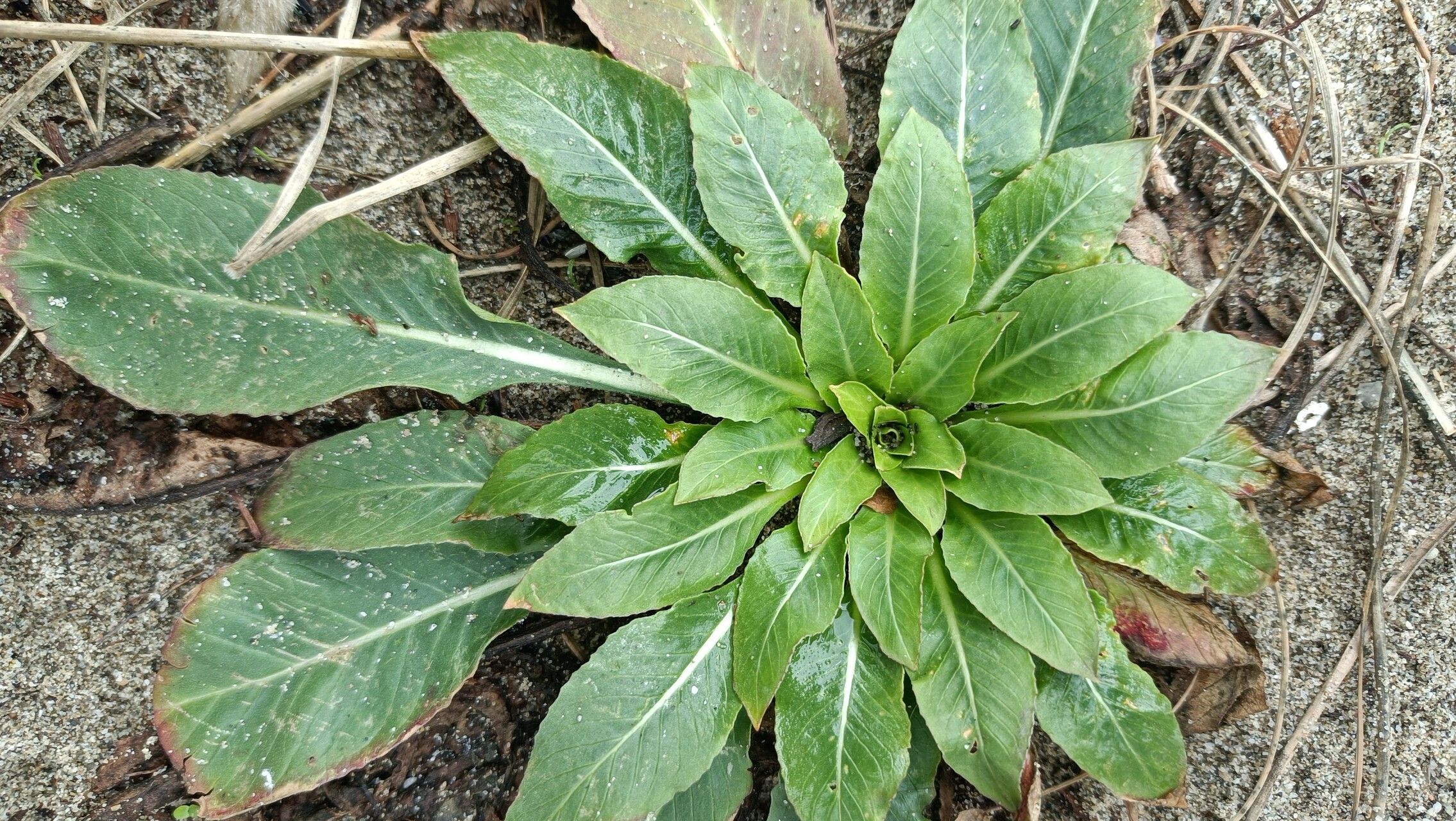
Propagating Oenothera argillicola: A Guide to Cultivating the Clay Evening Primrose
Introduction
Oenothera argillicola, commonly known as the Clay Evening Primrose, is a captivating North American native wildflower prized for its vibrant yellow blooms that unfurl in the late afternoon and evening. Its unique adaptation to clay soils makes it a desirable addition to drought-tolerant gardens and xeriscapes. While its striking beauty makes it a popular choice among gardeners, propagating Oenothera argillicola presents some unique challenges. This article explores various propagation methods, highlighting their efficacy and potential difficulties.
Seed Germination
Seed germination is a viable method for propagating Oenothera argillicola, but it presents certain challenges. The seeds possess a hard seed coat which can inhibit water uptake and germination. Therefore, scarification is beneficial. This can be achieved by gently nicking the seed coat with a file or sandpaper, or by soaking the seeds in warm water for 24 hours prior to sowing.
Challenges: Low germination rates are common even with scarification. Seed viability can fluctuate depending on seed age and storage conditions.
Tips: Sow seeds directly outdoors in well-drained, clay-rich soil in the fall or early spring after the last frost. Maintain consistent moisture but avoid overwatering. A light covering of soil or vermiculite is recommended.
Rewards: Seed propagation offers the greatest genetic diversity, resulting in a wider range of plants than other methods. It can also be cost effective for large-scale propagation.
Cuttings
Currently, there are no known reliable methods for propagating Oenothera argillicola from cuttings. The plant’s physiology may not lend itself easily to this method. Further research is needed to determine its efficacy.
Division
Division is a relatively successful method, especially for established plants. Division should ideally be undertaken in early spring or fall during periods of dormancy.
Challenges: Oenothera argillicola doesn’t readily form dense clumps, limiting the number of divisions possible from a single plant. Improper division can damage the root system, leading to plant failure.
Tips: Carefully dig up the mature plant, gently separating the root crown into smaller sections, ensuring each section contains healthy roots and shoots. Replant these divisions immediately in well-prepared soil, maintaining adequate spacing.
Rewards: Division offers a quicker route to increasing the number of plants compared to seed propagation, and results in genetically identical offspring to the parent plant.
Tissue Culture
Tissue culture propagation of Oenothera argillicola is not a widely practiced technique. While potentially offering a high success rate and the ability to produce large numbers of plants quickly, it requires specialized equipment, skills, and a sterile environment, making it inaccessible to most home gardeners. Further research is necessary to optimize protocols for this species.
Conclusion
Propagating Oenothera argillicola presents both challenges and rewards. While seed germination offers genetic diversity but faces low success rates, division provides a faster, though limited, method of propagation. Cuttings and tissue culture are currently not reliably effective. The satisfaction derived from successfully cultivating this beautiful yet challenging plant is immense. The gardener’s patience and perseverance will be rewarded with a vibrant display of evening blooms. For aspiring propagators, starting with division from a healthy, established plant offers the most realistic path to success. Remember to carefully prepare the soil, provide adequate drainage, and maintain consistent (though not excessive) moisture throughout the propagation process. With diligent effort, you can enjoy the unique beauty of the Clay Evening Primrose in your garden.