
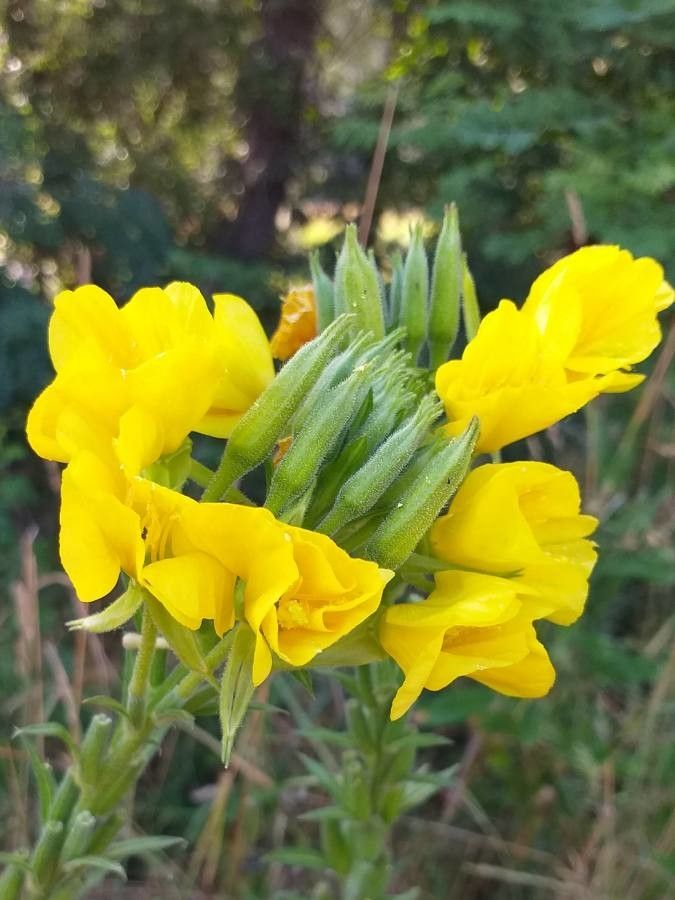
Taming the Evening Star: How to Propagate Evening Primrose (Oenothera biennis)
Evening primrose (Oenothera biennis) is more than just a pretty face with its bright yellow blooms that open in the evening. This biennial beauty, also known as the “Evening Star,” is a powerhouse of medicinal properties and attracts a host of beneficial pollinators to your garden. If you’re hoping to invite more of these charming flowers into your life, propagating evening primrose is surprisingly straightforward.
Two Paths to Primrose Paradise: Seeds and Divisions
Evening primrose can be propagated through two main methods:
1. Starting from Seed: A Rewarding Journey
For a truly rewarding experience, try your hand at starting evening primrose from seed. Follow these steps for success:
- When to Sow: Evening primrose seeds can be sown directly outdoors in the fall or started indoors approximately 6-8 weeks before the last expected frost.
- Sowing Outdoors: Choose a well-drained location with full sun to partial shade. Scatter the seeds on the soil surface and lightly rake them in for good seed-to-soil contact.
- Starting Indoors: Use a seed-starting mix and sow the seeds about ¼ inch deep in individual pots or trays. Maintain a temperature of 65-70°F (18-21°C) and keep the soil consistently moist.
Transplanting: Whether sown indoors or outdoors, thin seedlings to about 12-18 inches apart once they have developed a few sets of true leaves.
Tip: Evening primrose seeds require light for germination, so avoid burying them too deeply.
2. Dividing and Conquering: Expanding Existing Plants
If you already have established evening primrose plants, dividing them is a fantastic way to increase your stock:
- When to Divide: The ideal time to divide evening primrose is in early spring or fall when the plants are dormant or entering dormancy.
- Digging Up: Carefully dig up a mature plant, ensuring you get a good amount of the root system.
- Dividing: Using a sharp, clean knife or spade, divide the plant into sections, ensuring each section has a good portion of roots and shoots.
- Replanting: Replant the divisions at the same depth they were previously growing and water them well.
Nurturing Your Evening Stars
Evening primrose is generally a low-maintenance plant, but a little TLC goes a long way:
- Well-Drained Soil: The key is to ensure well-drained soil to prevent root rot.
- Sun or Shade: While they prefer full sun, evening primrose can tolerate partial shade, especially in hotter climates.
- Water Wisely: Water regularly, especially during the first growing season, but avoid overwatering.
Deadheading Delight: While not mandatory, deadheading spent blooms can encourage more flowering and prevent self-seeding if desired.
Embrace the Beauty and Bounty
Once you witness the vibrant blooms and experience the joy of propagating evening primrose, you’ll understand why this plant holds a special place in gardens and hearts alike. From attracting pollinators to offering medicinal benefits, the “Evening Star” is a rewarding addition to any green space. So why wait? Start your evening primrose propagation journey and embrace the beauty and bounty of this captivating plant.