
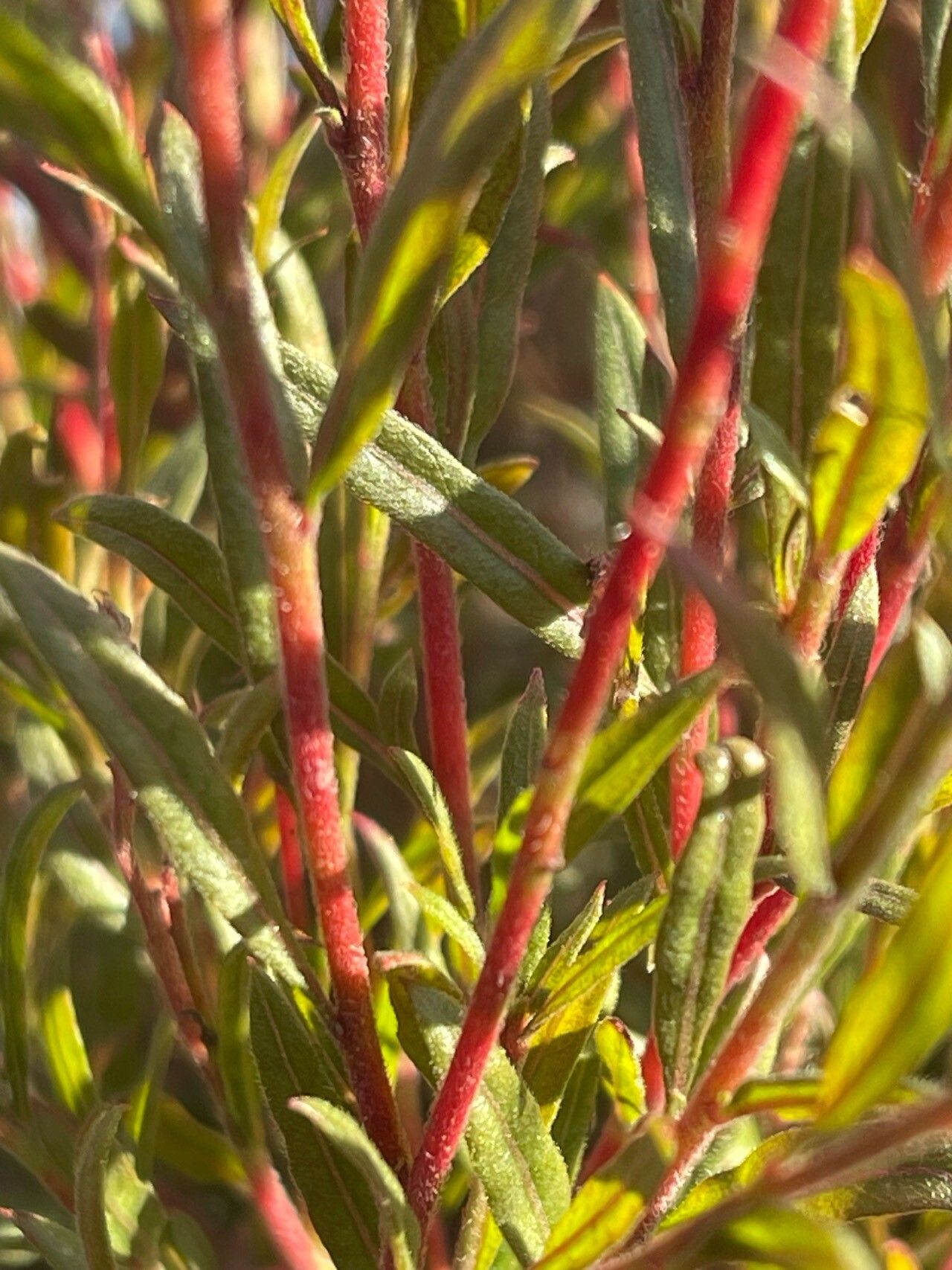
Propagating Oenothera lindheimeri: A Gardener’s Guide to the Lindheimer’s Evening Primrose
Introduction:
Oenothera lindheimeri, commonly known as Lindheimer’s evening primrose, is a captivating perennial prized for its vibrant, cup-shaped flowers that unfurl in the late afternoon and evening, releasing a delicate fragrance. This native Texan beauty graces gardens with its showy blooms in shades of pink, rose, and white, often providing a stunning display continuing well into autumn. Its low-growing, spreading habit and drought tolerance make it a favorite among gardeners seeking low-maintenance, yet visually striking additions to their landscapes. However, propagating this charming plant can present some unique challenges. This article explores various propagation methods, weighing their effectiveness and practicality.
Seed Germination:
Seed germination is a viable method for propagating Oenothera lindheimeri, though it’s not always straightforward.
Challenges: Seed dormancy can be an issue, and germination rates can be inconsistent. Fresh seeds generally offer the best results.
Practical Tips: Sow seeds directly outdoors in the fall or spring in well-draining soil. While stratification (pretreating seeds with cold temperatures to break dormancy) isn’t strictly necessary, a brief period (4-6 weeks) of cold stratification might improve germination rates. Ensure good seed-to-soil contact. Keep the soil consistently moist but not waterlogged. Thin seedlings to appropriate spacing once they are established.
Rewards: Seed propagation offers the advantage of genetic diversity, resulting in a wider range of plant characteristics within your population. It’s also a relatively inexpensive method suitable for large-scale propagation.
Cuttings:
Cuttings are a less reliable method for propagating Oenothera lindheimeri compared to seed propagation or division.
Challenges: Rooting success from cuttings is often low. The plant’s stem structure may not be conducive to easy rooting.
Practical Tips: While softwood or semi-hardwood cuttings could be attempted, success rates are generally poor. Hormone rooting powders may marginally improve the odds, but the effort doesn’t often justify the results.
Rewards: If successful, cuttings allow for the propagation of specific desirable traits from a parent plant, ensuring uniformity.
Division:
Division is the most reliable and commonly recommended method for propagating Oenothera lindheimeri.
Challenges: Division requires established, mature plants. It’s best performed in spring or early fall, ensuring ample time for the divisions to re-establish themselves before the stresses of harsh weather conditions. Improper division can damage the plant.
Practical Tips: Carefully dig up the mature plant, separating it into smaller clumps, ensuring each division has healthy roots and several shoots. Replant the divisions immediately, ensuring good soil contact and adequate watering.
Rewards: Division is a quick and successful method that rapidly increases the number of plants. It also preserves the superior traits of the parent plant.
Tissue Culture:
Currently, there are no widely available or readily accessible protocols for tissue culture propagation of Oenothera lindheimeri. While theoretically possible, it requires specialized equipment, expertise, and sterile conditions, making it unsuitable for the average home gardener.
Conclusion:
Propagating Oenothera lindheimeri presents a unique set of challenges depending on the chosen method. While seed germination offers genetic diversity but can be unpredictable, division proves the most reliable method for the home gardener, offering quick success with minimal technical expertise. Cuttings are generally not recommended. Tissue culture remains a less accessible option. The satisfaction of successfully nurturing these charming plants from seed or division, knowing you’ve overcome their propagation quirks, adds an extra layer of reward to the pleasure of cultivating Lindheimer’s evening primrose in your garden. Don’t be discouraged by initial setbacks; persistence and careful attention to detail will ultimately lead to success with this beautiful and rewarding plant.
