
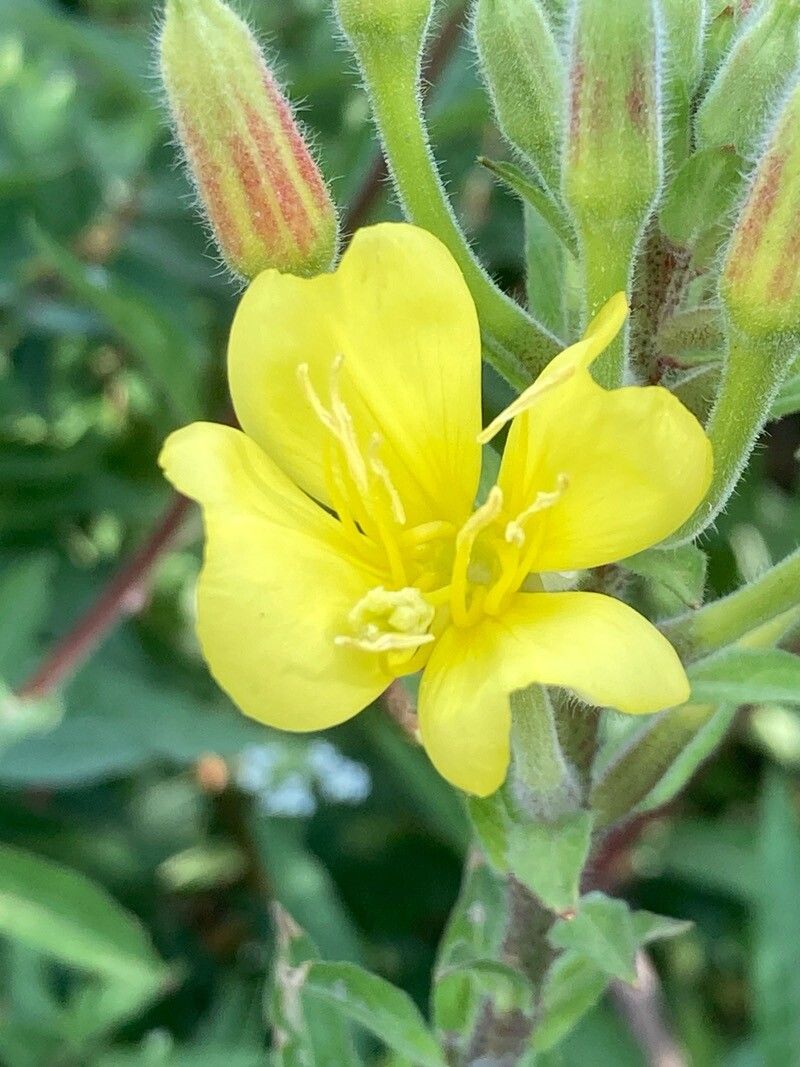
Propagating Oenothera parviflora: A Gardener’s Guide to the Smallflower Evening Primrose
Introduction
Oenothera parviflora, commonly known as the smallflower evening primrose, is an unassuming yet charming member of the Onagraceae family. This relatively low-maintenance wildflower boasts delicate, pale yellow flowers that open in the evening, attracting pollinators with their subtle fragrance. Its adaptability to various soil conditions and its tolerance for drought make it a popular choice among gardeners seeking hardy, low-maintenance groundcover or additions to wildflower meadows. While readily available commercially as seedlings or established plants, propagating Oenothera parviflora adds a rewarding layer to cultivation, offering the chance to expand your collection and share this beautiful plant. However, propagation can present unique challenges.
Seed Germination:
Seed germination is a viable method for propagating Oenothera parviflora. However, it presents some challenges. The seeds possess a relatively hard seed coat, which can hinder water absorption and germination. Stratification is recommended; this involves subjecting the seeds to a period of cold, moist conditions before sowing. A simple method is to mix the seeds with moist vermiculite or peat moss, place them in a sealed bag, and refrigerate for 4-6 weeks.
After stratification, sow seeds directly into well-drained soil in a sunny location. Maintain consistent moisture, but avoid overwatering, which can lead to rot. Germination usually takes place within 2-4 weeks, though some seeds may take longer.
Rewards: This method offers the benefit of genetic diversity compared to other propagation methods, and it allows for large-scale propagation if successful. The challenge lies in achieving consistent germination rates due to seed dormancy.
Cuttings:
Currently, there are no known reliable methods for propagation of Oenothera parviflora via cuttings. The plant’s stem structure and physiology may not lend themselves well to rooting from cuttings.
Division:
Division is a viable and relatively straightforward method for propagating Oenothera parviflora. Established plants often produce numerous offsets, which can be carefully separated during the dormant season (late autumn or early spring). Ensure each division contains a healthy portion of roots and several stems. Replant the divisions immediately in well-prepared soil, ensuring proper spacing to allow for adequate growth.
Rewards: Division offers a quicker and more predictable method of propagation compared to seed germination. It ensures the preservation of desirable traits in the parent plant. The challenge may lie in carefully removing the offsets without damaging the roots of both the parent and the new plant.
Tissue Culture:
While possible, tissue culture propagation is not a commonly practiced method for Oenothera parviflora. This technique requires specialized equipment, sterile conditions, and expertise in plant tissue culture. It’s therefore generally not a practical option for the home gardener.
Conclusion:
Propagating Oenothera parviflora presents a unique set of challenges and rewards. Seed germination, while possible, requires patience and the application of stratification techniques. Division offers a more reliable and readily accessible method for the home gardener. The lack of success with cuttings highlights the plant’s specific needs. The difficulty in achieving propagation, especially through seed germination, only adds to the satisfaction of successfully cultivating this lovely wildflower. Don’t be disheartened by initial setbacks. By carefully considering the different propagation methods and paying close attention to detail, aspiring propagators can enjoy the unique pleasure of nurturing Oenothera parviflora from seed or division, and sharing its beauty with others. Remember that patience and observation are key to success with this, and many other, plants.