
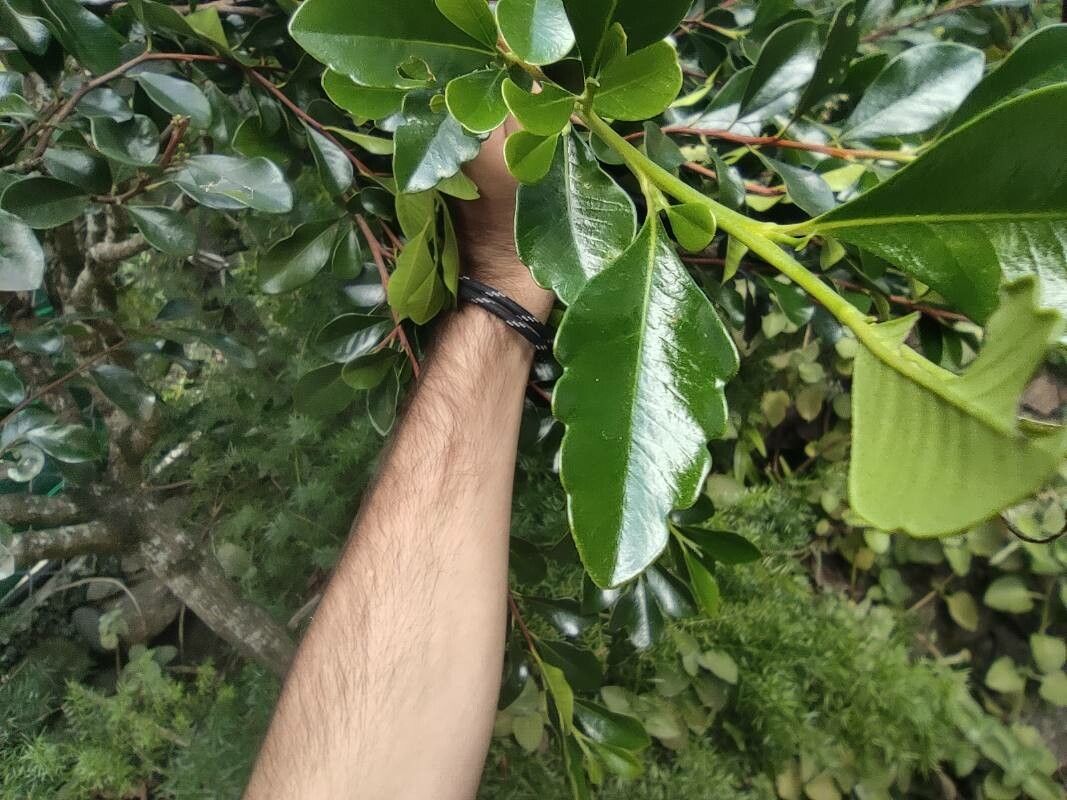
Propagating the Parrot Olax: A Gardener’s Guide to Olax psittacorum
Introduction
Olax psittacorum, commonly known as Parrot Olax, is a captivating shrub valued for its attractive, often glossy foliage and the interesting, somewhat bird-like form of its flowers. Its relatively uncommon nature and unique aesthetic qualities make it a highly sought-after plant among discerning gardeners. However, propagating Olax psittacorum presents certain challenges, making successful cultivation a rewarding experience. This article explores various propagation methods, providing practical advice and insights into the intricacies involved.
Seed Germination
Currently, there are no known reliable methods for seed germination propagation of Olax psittacorum. Further research is needed to determine the viability of this method, including potential dormancy mechanisms and optimal germination conditions.
Cuttings
Viability: Softwood or semi-hardwood cuttings offer a potentially viable method for propagating Olax psittacorum.
Challenges: Success rates may vary depending on the timing of cutting collection, the quality of the rooting medium, and the provision of appropriate humidity and temperature. Rooting hormones may increase the chances of success.
Practical Tips: Take cuttings in spring or early summer from actively growing shoots. Use a sharp, sterile blade to prevent disease transmission. Prepare a well-draining rooting medium (e.g., a mix of perlite and peat moss) and maintain high humidity using a propagator or humidity dome. Apply a rooting hormone to the cut end of the stem. Regularly mist the cuttings and ensure adequate light, but avoid direct sunlight.
- Rewards: Cuttings propagation provides a relatively quick and efficient way to produce new plants, maintaining the characteristics of the parent plant.
Division
Viability: Division is unlikely to be a successful propagation method for Olax psittacorum as it generally doesn’t produce readily divisible root systems.
Challenges: The plant’s root structure makes division impractical and likely to result in significant damage to the parent plant.
- Practical Tips: This method is not recommended.
Tissue Culture
Viability: Tissue culture could potentially be a successful method, offering the possibility of rapid propagation and disease-free plantlets.
Challenges: Tissue culture requires specialized equipment, aseptic techniques, and a thorough understanding of plant tissue culture protocols. The specific nutrient requirements and growth regulators for Olax psittacorum would need to be determined experimentally.
Practical Tips: This method is best left to experienced tissue culture laboratories.
- Rewards: High success rates, disease-free plants, and large-scale propagation possibilities.
Conclusion
Propagating Olax psittacorum, while presenting challenges, is achievable through cuttings and potentially tissue culture. Seed propagation remains unproven. The rewards, however, are considerable. Successfully cultivating this unique plant offers a profound sense of accomplishment, particularly considering the relative difficulty involved. For aspiring propagators, patience and persistence are key. Begin with the more accessible cutting method, ensuring meticulous attention to detail in selecting cuttings, maintaining appropriate environmental conditions, and providing optimal care during the rooting process. While tissue culture requires expert knowledge and facilities, its potential for large-scale propagation makes it a promising avenue for future research and commercial cultivation of this beautiful shrub. The unique satisfaction derived from nurturing a rare and beautiful plant from a simple cutting far outweighs the effort involved, making the journey worth the reward.