
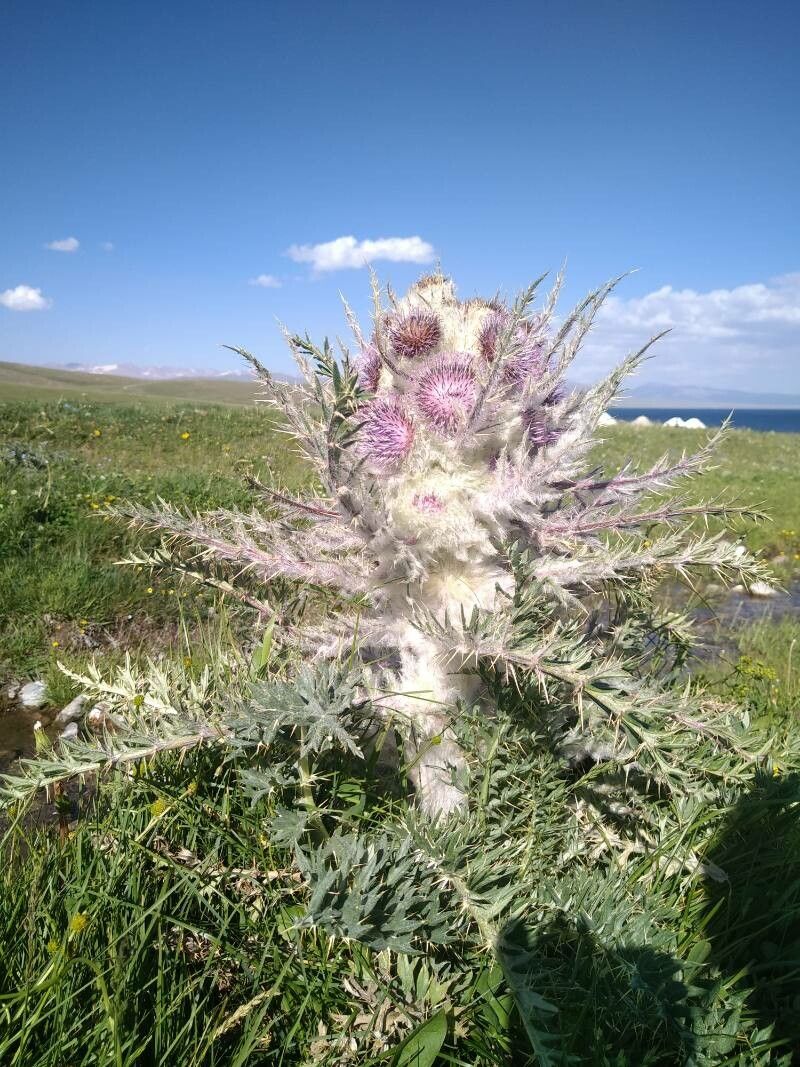
Taming the Wild Beauty: A Guide to Propagating Olgaea Nidulans
The plant world is full of fascinating characters, and Olgaea nidulans, with its spiky personality and captivating blooms, is no exception. Hailing from the arid regions of Central Asia, this resilient species, sometimes referred to as the “Siberian Thistle,” adds a touch of exotic drama to any garden. But taming this wild beauty might leave you wondering, “How do I get more of these stunning plants?” The answer lies in the art of propagation.
While Olgaea nidulans isn’t as widely propagated as some common garden varieties, don’t let that deter you. With a bit of patience and the right techniques, you can successfully multiply your stock and enjoy these unique plants for years to come.
Two Roads to Success: Seed vs. Division
Olgaea nidulans can be propagated through two primary methods: seeds and division.
- Seed Starting: The most common method, seed propagation, offers a rewarding journey from tiny speck to flourishing plant.
- Sourcing Your Seeds: You can collect seeds from existing plants in late summer or purchase them from reputable suppliers specializing in unusual varieties.
- Preparing for Sowing: Olgaea nidulans seeds benefit from a period of cold stratification to mimic natural winter conditions. Place the seeds in a moist paper towel, seal them in a plastic bag, and store them in the refrigerator for 4-6 weeks.
- Sowing Time: In early spring, sow the stratified seeds in a well-draining seed starting mix, lightly pressing them into the surface.
- Light and Patience: Place the seed tray in a bright location, but out of direct sunlight. Keep the soil consistently moist but not waterlogged. Germination can take anywhere from a few weeks to a few months, so patience is key.
- Division: A Quicker Approach: For a faster method and mature plants, division is a viable option. However, due to the taproot system of Olgaea nidulans, this method can be trickier than with other perennials.
- Timing is Everything: Divide plants in early spring, just as new growth begins.
- Careful Excavation: Using a sharp, clean spade, carefully dig around the plant, ensuring you don’t damage the taproot.
- Making the Cut: Look for natural divisions or offsets emerging from the main plant. Gently separate these sections with a sharp knife, ensuring each division has a portion of the root system.
- Replanting: Transplant the divisions to their new homes, ensuring the crown of the plant sits slightly above the soil line.
Nurturing New Beginnings
Whether you choose seed starting or division, successfully establishing new Olgaea nidulans requires attention to their preferred growing conditions:
- Sun Worshippers: These plants thrive in full sun, requiring at least six hours of direct sunlight per day.
- Well-Drained Soil is Key: Olgaea nidulans prefer well-drained, sandy or gravelly soil. Avoid heavy clay soils that retain excess moisture.
- Water Wisely: While drought-tolerant once established, young plants require regular watering, especially during their first year. Water deeply but infrequently, allowing the soil to dry out slightly between waterings.
The Joys of Persistence
Propagating Olgaea nidulans might require extra effort, but the rewards are worth it. With patience and diligence, you can cultivate a thriving collection of these exceptional plants, adding a touch of wild beauty and architectural intrigue to your garden. So embrace the challenge and enjoy the satisfaction of watching your very own Olgaea nidulans flourish!