
Taming the Tropical Enigma: Propagating the Omphalea Diandra
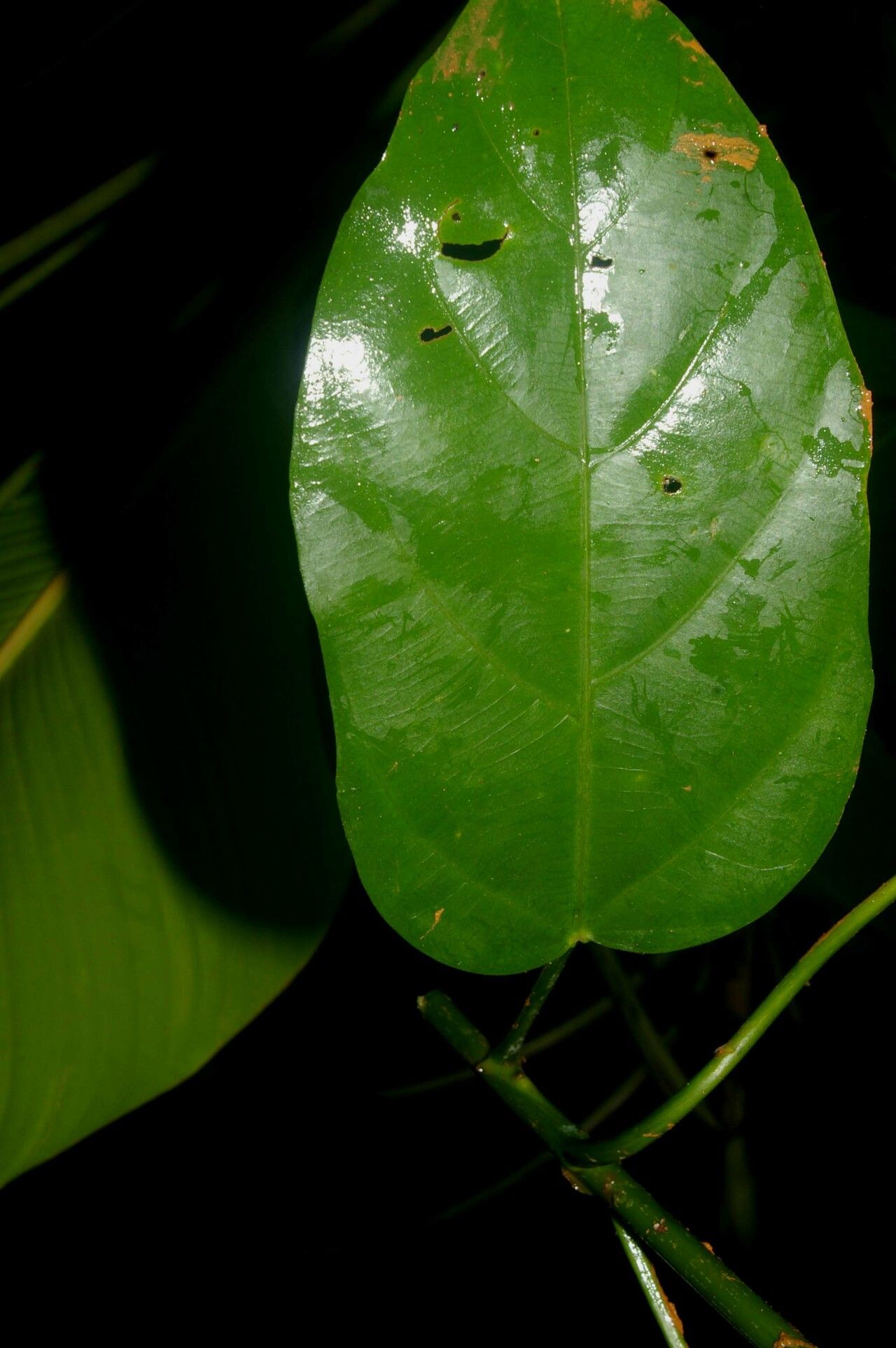
The Omphalea diandra, with its intriguing name and even more fascinating growth habit, is a true jewel of the Caribbean. This evergreen climber, also known as the “Hunter’s Rope,” captivates with its glossy leaves and unique fruit pods. But its beauty is only surpassed by the challenge it presents to those seeking to propagate it.
Unlike many common plants, the Omphalea diandra rarely produces viable seeds. Its flowers, though beautiful and attracting to specialized pollinators, often result in sterile fruit. This makes traditional seed propagation an unreliable method, leaving enthusiasts with limited options.
The Cutting Edge: Vegetative Propagation
Thankfully, the Omphalea diandra can be multiplied through vegetative propagation, specifically using stem cuttings. This method, while requiring patience and precision, offers a higher success rate compared to elusive seeds.
Here’s a breakdown of the process:
Timing is Key: The best time to take cuttings is during the plant’s active growing season, typically spring to early summer. Look for healthy, non-flowering stems that are still relatively young, ideally around 6-8 inches long.
Clean and Precise Cuts: Using a sterilized pruning shear or sharp knife, make a clean cut just below a leaf node. The node, that little bump on the stem, is where new roots will develop.
Prepare the Cutting: Remove the leaves from the lower third of the cutting to reduce moisture loss and encourage root development.
Hormone Boost: While not strictly necessary, dipping the cut end in rooting hormone powder can significantly improve the success rate by promoting root growth.
The Rooting Medium: A well-draining, sterile medium is crucial for avoiding fungal issues. A mix of peat moss and perlite or vermiculite provides the ideal environment for root development.
Creating a Humid Haven: Maintaining high humidity around the cuttings is essential. You can achieve this by placing a clear plastic bag over the pot, creating a mini greenhouse, or misting the cuttings regularly.
Light and Patience: Place the pot in bright, indirect sunlight. Avoid direct sunlight as it can scorch the developing roots. Be patient, as rooting can take several weeks to a couple of months.
Signs of Success: New growth from the nodes signals that your cutting has successfully rooted. Once you notice significant root development, you can gradually acclimate the plant to less humid conditions before transplanting it into a larger pot.
Challenges and Troubleshooting:
Propagating the Omphalea diandra is not without its hurdles. Maintaining the correct humidity levels and preventing fungal infections are crucial. Regularly check for any signs of rot or disease, and promptly address the issue.
A Rewarding Endeavor:
While propagating the Omphalea diandra demands patience, the reward of seeing a new plant thrive from a simple cutting is truly fulfilling. Successfully propagating this tropical gem allows you to expand your collection, share the beauty with others, and contribute to the preservation of this captivating species.