
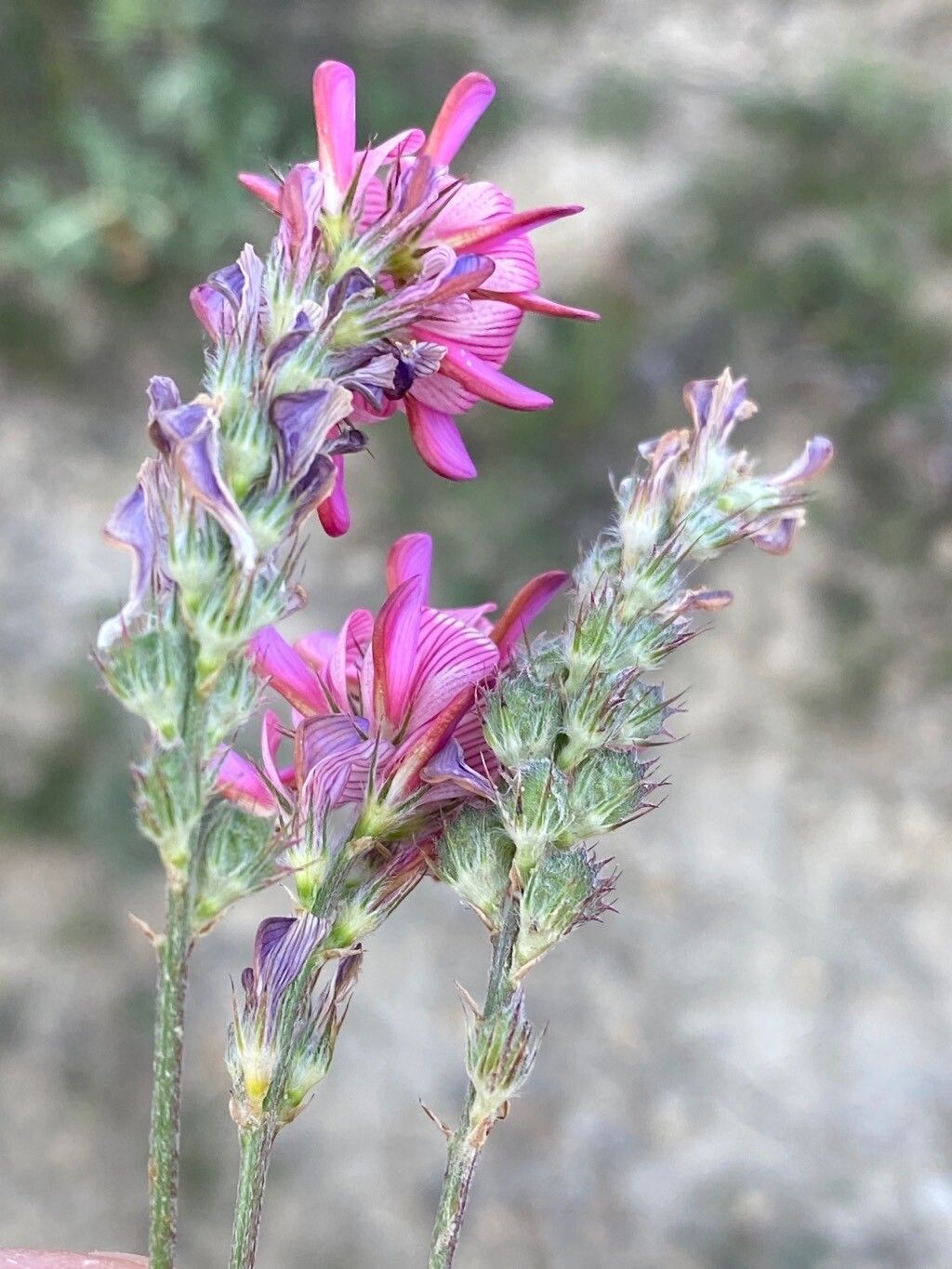
Taming the Wild Beauty: Successfully Propagating Onobrychis conferta
Onobrychis conferta, more playfully nicknamed the “mountain sainfoin,” captivates with its vibrant pink flower clusters and delicate fern-like foliage. This drought-tolerant perennial, originally hailing from the mountainous regions of Asia, is a favorite for gardeners seeking to attract pollinators and add textural intrigue to their landscapes. However, successfully establishing this wild beauty can seem as daunting as scaling a mountain. Fear not! This article unveils the secrets of propagating Onobrychis conferta, making it accessible to even novice gardeners.
Seeding the Future: Two Paths to Propagation
Onobrychis conferta offers two primary methods of propagation: seeds and cuttings. Each approach comes with its unique advantages and considerations.
1. Sow the Seeds of Success:
Direct sowing offers the most straightforward route. The key lies in timing. Fall sowing, after the first frost, mimics the plant’s natural life cycle and yields the best results. The cold, moist soil provides ideal conditions for germination.
Steps to Success:
- Prepare the bed: Choose a well-drained location with full sun exposure. Work the soil to a depth of 6 inches, removing any weeds or debris.
- Sow with care: Scatter seeds evenly across the prepared bed and lightly rake them into the soil, ensuring a depth of no more than 1/4 inch.
- Water wisely: Water gently to avoid dislodging the seeds. Be patient; germination can take anywhere from 2 to 4 weeks.
2. Cuttings: A Quicker Route:
Propagating from cuttings allows for faster establishment and ensures consistent traits from the parent plant. This method is best undertaken in late spring or early summer.
Steps to Success:
- Choose wisely: Select healthy, non-flowering stems from the current season’s growth.
- Prepare the cutting: Using a sharp, sterilized knife or pruning shears, make a clean cut just below a leaf node. Remove the lower leaves, leaving only 2-3 sets at the top.
- Encourage rooting: Dip the cut end in rooting hormone (optional but recommended) and plant it in a pot filled with a well-draining seed starting mix.
- Create a humid environment: Place the pot in a warm, bright location, out of direct sunlight. Cover it with a clear plastic bag or humidity dome to retain moisture.
- Be patient: Rooting can take several weeks. Once new growth appears, it indicates successful rooting. Gradually acclimatize the cutting to outdoor conditions before transplanting it to its final location.
Nurturing Growth: Ongoing Care
Whether you choose seeds or cuttings, providing optimal growing conditions is crucial.
- Sunlight and Soil: Onobrychis conferta thrives in full sun and well-drained soil.
- Water Wisely: Once established, it exhibits remarkable drought tolerance, requiring only occasional watering during prolonged dry spells.
- Pruning Power: Deadheading spent flowers encourages a longer blooming period. Cut back the entire plant in late fall or early spring for a tidy appearance and to promote bushier growth in the following season.
By embracing these propagation techniques and providing the right care, you can successfully cultivate Onobrychis conferta, transforming your garden into a haven for pollinators while adding a touch of wild, mountain charm.