
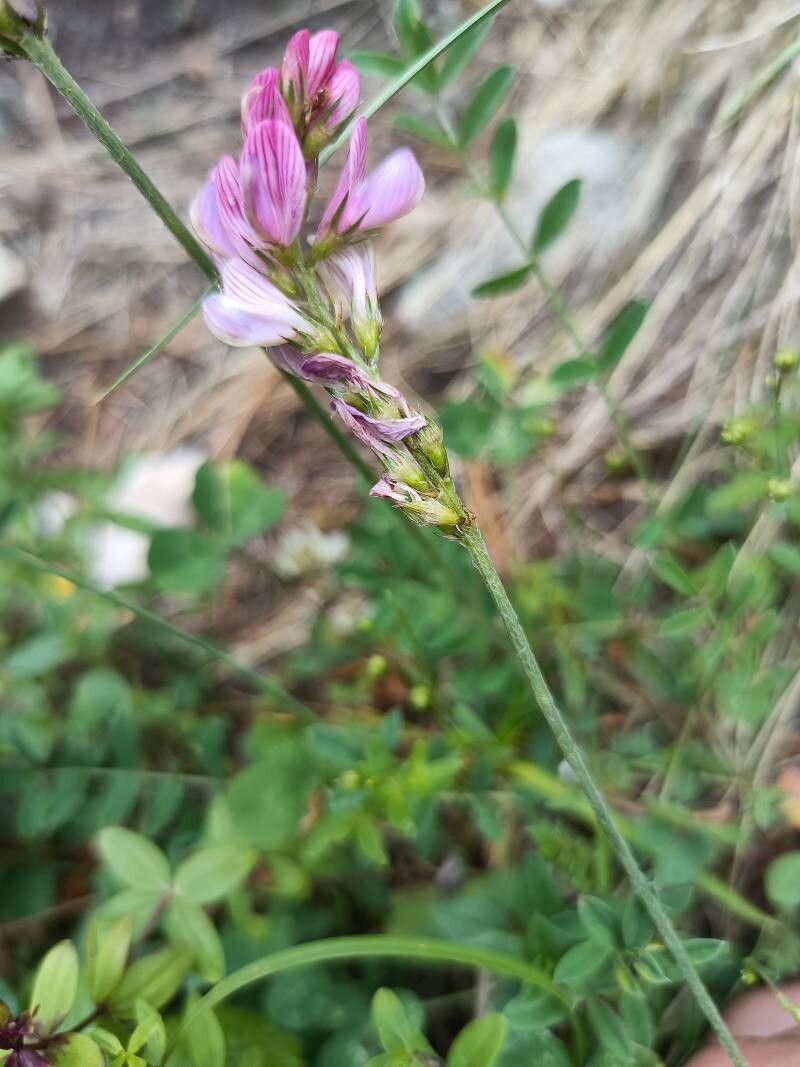
Taming the Wild Beauty: A Guide to Propagating Onobrychis pindicola
Onobrychis pindicola, a name that might sound like a mouthful, belongs to a plant with a delicate beauty that belies its hardy nature. This wildflower, native to the mountainous regions of Greece, boasts charming pink blooms bursting from spires and delicate, fern-like foliage. While not widely known outside specialist circles, its resilience and unique aesthetic make it a captivating choice for gardeners willing to put in a bit of effort.
If you’re intrigued by the prospect of cultivating this rare beauty, propagation is the first hurdle to overcome. Fortunately, while not as straightforward as some common garden varieties, propagating Onobrychis pindicola is achievable with a bit of patience and the right know-how.
Seed Starting: Embracing the Challenge
Onobrychis pindicola is most commonly propagated from seed, a method that requires a bit of finesse. Here’s a breakdown:
Sourcing Seeds: Obtaining seeds is likely the trickiest part. Specialist online retailers specializing in wildflowers or alpine plants are your best bet.
Scarification: Mother Nature has equipped these seeds with hard shells to withstand harsh mountain conditions. To encourage germination, mimic natural processes with scarification. Gently rub the seeds with sandpaper or a nail file, just enough to nick the outer layer.
Cold Stratification: In the wild, these seeds experience a period of cold dormancy before springing to life. Recreate this by mixing the scarified seeds with moist sand or vermiculite, sealing them in a plastic bag, and refrigerating them for 4-6 weeks.
Sowing: Once stratified, sow the seeds in seed trays or pots filled with well-draining seed-starting mix. Press them lightly onto the surface and cover them with a thin layer of vermiculite. Keep the soil consistently moist but avoid overwatering.
- Patience: Germination can be erratic, taking anywhere from a few weeks to a couple of months. Don’t lose hope! Provide consistent moisture, warmth (around 20°C), and bright, indirect light.
Division: For Established Plants
If you have access to an established Onobrychis pindicola plant, division offers a slightly easier propagation method. However, it is best suited for plants that are at least 3-4 years old.
Timing: Early spring, just as new growth emerges, is the ideal time for division.
Lifting and Dividing: Carefully dig up the plant, ensuring you get a good root ball. Using a sharp, clean knife or spade, divide the plant into sections, making sure each section has a healthy amount of roots and shoots.
- Replanting: Replant the divisions at the same depth they were previously growing, water them in well, and provide shade for the first week to minimize transplant shock.
Caring for Your Onobrychis pindicola
Whether grown from seed or by division, this alpine wildflower thrives in well-drained soil, preferably slightly alkaline. Choose a sunny location, as they enjoy basking in the full sun. While relatively drought-tolerant once established, they’ll reward you with more abundant blooms if watered regularly during dry periods.
Propagating Onobrychis pindicola might require a little extra effort compared to your average garden variety, but the reward of seeing this unique and exquisite flower gracing your garden makes it a challenge worth embracing. So, why not introduce a touch of wild beauty to your outdoor space and embark on the rewarding journey of propagating Onobrychis pindicola? You might just discover your new favorite gardening challenge!