
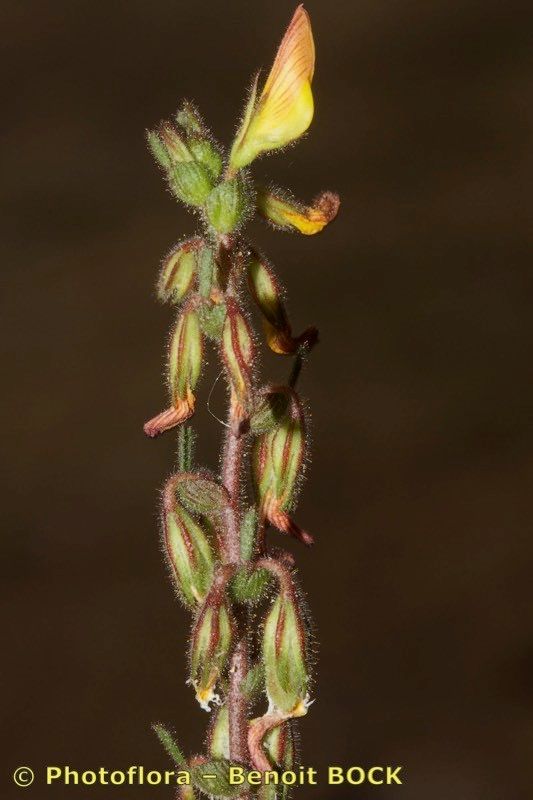
Taming the Beauty of Algarve Ononis: A Guide to Propagation
The Algarve Ononis (Ononis cintrana), with its bursts of delicate pink flowers and charmingly fuzzy leaves, is a sight to behold. Native to the Iberian Peninsula, this semi-evergreen shrub thrives in sunny, dry conditions, adding a touch of Mediterranean charm to any garden lucky enough to host it.
While acquiring a mature Ononis cintrana might be the easiest route, propagating your own brings a unique satisfaction. Fortunately, this resilient plant offers not one, but two effective propagation methods:
1. Seed Propagation: A Dance with Patience
Propagating Ononis cintrana from seed requires a touch of patience, but the rewards are well worth the wait. Here’s how:
- Timing is key: Sow your seeds in spring (March-May) when the soil has warmed up.
- Preparation is everything: Use a well-draining seed starting mix or a blend of peat and perlite. Sow the seeds thinly and cover them lightly with the mix.
- Moisture is magic: Keep the seed tray consistently moist but not waterlogged.
- Patience, young Padawan: Germination can be erratic, taking anywhere from a few weeks to a couple of months.
- Transplant with care: Once the seedlings are large enough to handle, transplant them into individual pots.
- Acclimatize gradually: Before planting outdoors, harden off your seedlings by gradually exposing them to outdoor conditions over a week or two.
2. Semi-ripe Cuttings: Cloning your Floral Favorite
For a faster approach, consider propagating Ononis cintrana from semi-ripe cuttings:
- Timing matters: Take your cuttings in late summer (July-August) from healthy, non-flowering stems.
- The perfect cut: Choose stems that are flexible but firm, and cut a 4-6 inch section just below a leaf node.
- Prepare for success: Remove the lower leaves, leaving only a few at the top. Dip the cut end in rooting hormone to encourage root development (optional but recommended).
- Planting time: Plant the cuttings in pots filled with a well-draining rooting mix, ensuring the leaf nodes are buried.
- Create a humid haven: Cover the cuttings loosely with a plastic bag or use a propagator to create a humid environment.
- Patience, once again: It may take several weeks for roots to develop. Once rooted, you can pot up your new Ononis cintrana plants individually.
Caring for your Propagated Ononis Cintrana:
Whether you choose the seed or cutting route, nurturing your newly propagated Ononis cintrana is crucial. Ensure they receive ample sunlight, well-draining soil, and moderate watering. Once established, these drought-tolerant beauties require minimal care, rewarding your efforts with stunning floral displays for years to come.
Propagating Ononis cintrana is a rewarding journey for any plant enthusiast. With a little patience and the right techniques, you can cultivate this Mediterranean gem and enjoy its cheerful charm in your own backyard paradise.