
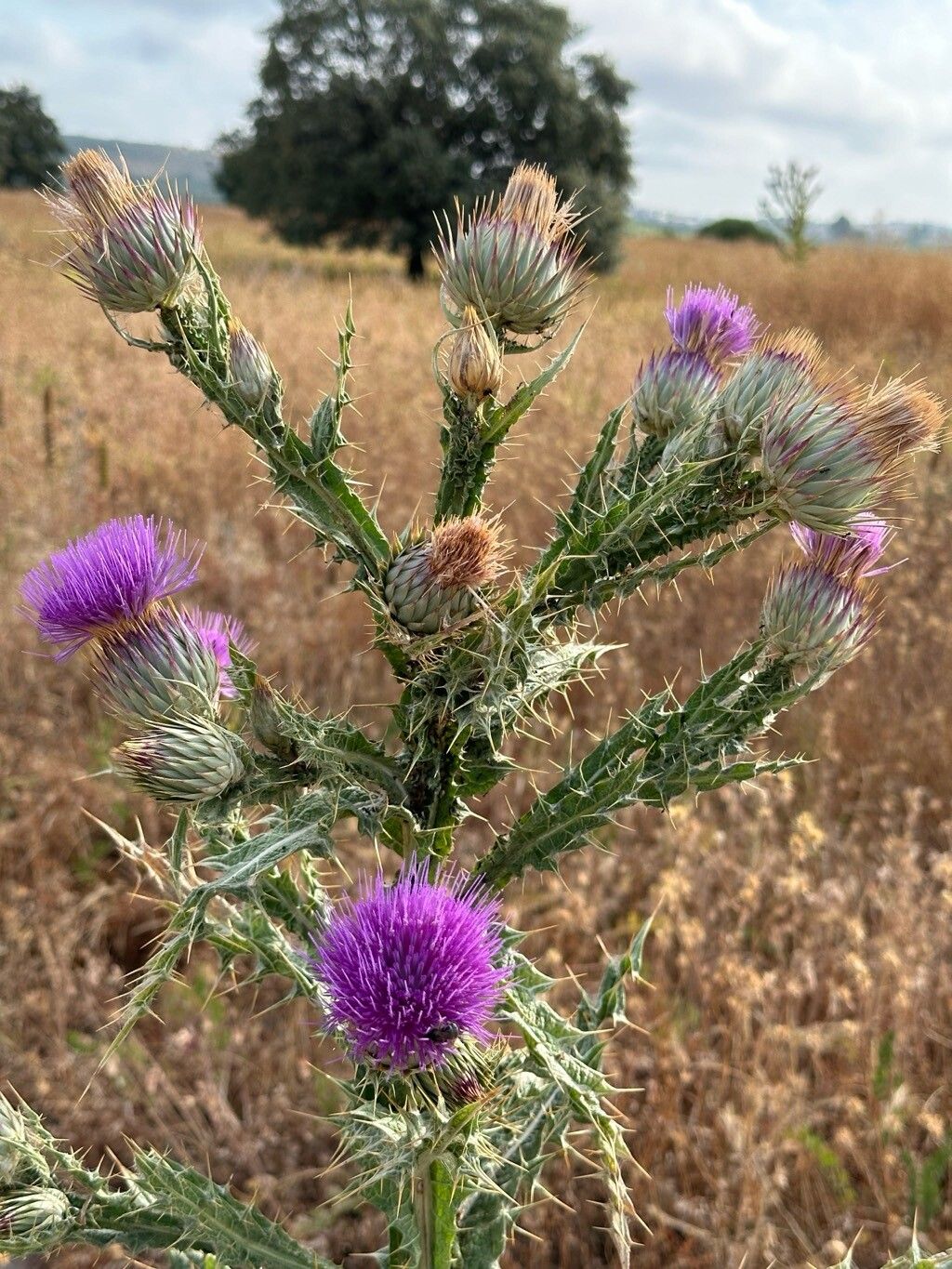
Propagating Onopordum nervosum: Taming the Scottish Thistle
Onopordum nervosum, commonly known as the Scotch Thistle (though this common name is often applied to other Onopordum species), is a striking biennial or short-lived perennial thistle boasting impressively large, silvery-grey leaves and impressive purple flower heads. While its aggressive self-seeding nature might deter some, its architectural form and dramatic presence make it a highly sought-after plant among gardeners who appreciate bold statements in their landscapes. Its unique characteristics, coupled with its relatively short lifespan, necessitate understanding effective propagation methods.
Seed Germination:
Seed germination for Onopordum nervosum is a viable, albeit challenging, method. The primary hurdle lies in achieving consistent germination rates. Fresh seeds are crucial; older seeds suffer significantly reduced viability.
Challenges: Dormancy is a major factor. While not requiring strict stratification (chilling treatment), seeds benefit from a period of cold, moist stratification for around 4-6 weeks. This mimics natural winter conditions and encourages better and more uniform germination. Furthermore, seeds are susceptible to fungal diseases, requiring a sterile sowing medium.
Tips: Sow seeds in a well-draining seed-starting mix in autumn or early spring. Maintain consistently moist but not waterlogged conditions. A slightly warmer temperature (15-20°C) following stratification encourages germination. Consider using a fungicide to prevent damping off.
Rewards: Seed propagation offers the greatest potential for genetic diversity, providing a broader range of plants than other methods. This approach is also ideal for large-scale propagation, suitable for commercial nurseries or for those aiming to establish significant numbers of plants.
Cuttings:
Currently, there are no known reliable methods for propagating Onopordum nervosum from cuttings. The plant’s physiology doesn’t readily lend itself to this form of vegetative propagation.
Division:
Division is another challenging method for propagating Onopordum nervosum. While some basal offsets might develop, they are rarely prolific enough for reliable propagation.
Challenges: The deep taproot of Onopordum nervosum makes division difficult and often damaging to the plant. Successfully dividing a mature plant risks significant injury, potentially killing both the parent and the separated offsets.
Tips: If attempting division, carefully dig around the plant to minimize root damage. Sharp tools are essential for cleanly separating offsets with their own root systems. Replant divisions immediately in well-prepared soil.
Rewards: Division, if successful, offers genetically identical plants, preserving desirable traits. However, the success rate is extremely low, limiting this method’s practicality.
Tissue Culture:
While not widely practiced for Onopordum nervosum, tissue culture offers potential.
Challenges: Establishing a successful tissue culture protocol requires specialized expertise, equipment, and a sterile lab environment. This approach is significantly more complex and expensive than other methods.
Tips: Requires a dedicated tissue culture lab with expertise in plant propagation techniques. Protocols would need to be developed specifically for Onopordum nervosum.
Rewards: Tissue culture enables mass propagation of genetically identical plants and offers the potential to eliminate diseases. This is a useful method for conservation or commercial propagation on a large scale, although it’s the most complex and expensive choice.
Conclusion:
Propagating Onopordum nervosum presents unique challenges. Seed germination offers the best chance of success for the home gardener, provided seeds are fresh and careful attention is paid to sowing and aftercare. Division and cuttings are largely impractical, whilst tissue culture is a complex and expensive option best suited for specialized nurseries. Successfully growing Onopordum nervosum, however, despite these difficulties, provides a deeply satisfying experience. The striking beauty of this plant, flourishing from seeds painstakingly nurtured, makes the effort worthwhile, rewarding the gardener with a dramatic and unforgettable addition to their landscape. For aspiring propagators, remember patience and persistence are key – embrace the challenges, and relish the rewards!