
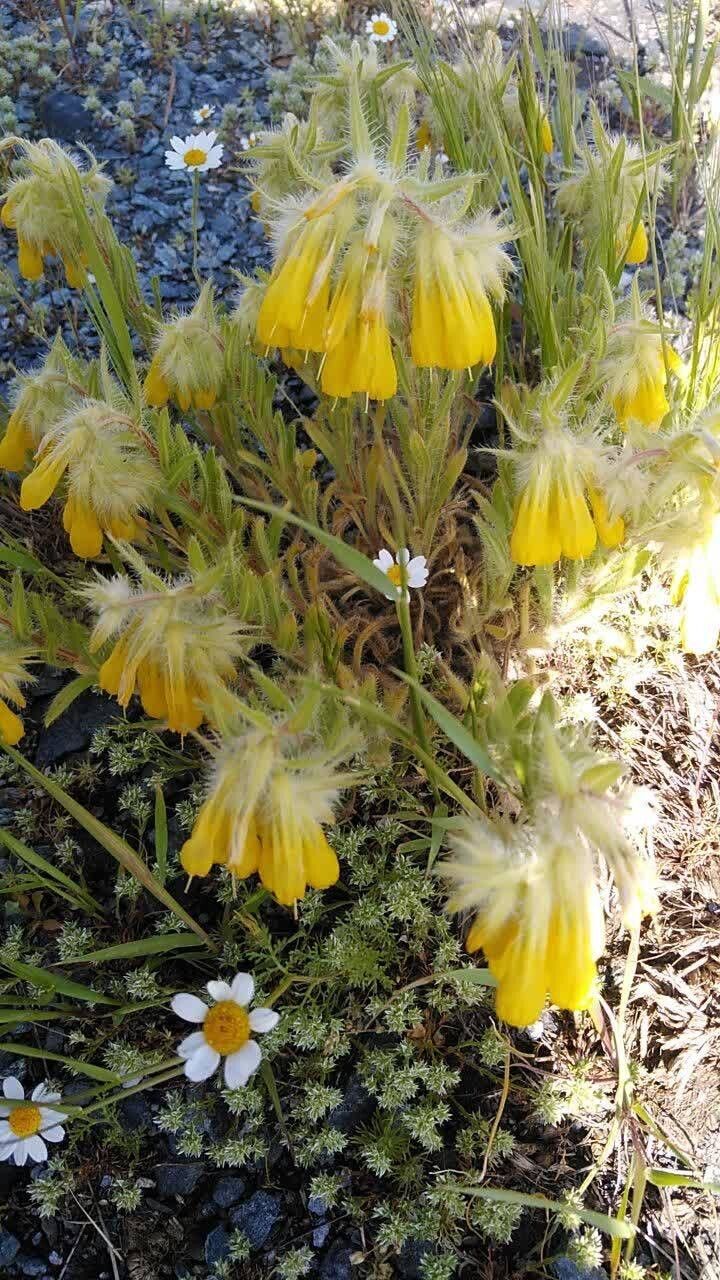
Unlocking the Secrets to Propagating Onosma frutescens: A Guide for Gardeners
Onosma frutescens, with its vibrant, honey-hued flowers and captivating fragrance, is a true gem for any garden. But what if you want to share its beauty with others, or simply expand your own collection? That’s where propagation enters the scene!
This guide will unlock the secrets to successfully multiplying your Onosma frutescens plants, empowering you to create more of this special plant.
Methods of Propagation:
While Onosma frutescens can be propagated through seed, the most common and reliable method for gardeners is through cuttings. Here’s a step-by-step guide:
1. Timing is Everything: The Art of Taking Cuttings:
The optimal time for taking cuttings is during the spring or early summer when the plant is actively growing. Choose healthy, non-flowering stems that are about 4-6 inches long.
2. The Cut and Prepare:
Use a sharp, clean knife or pruning shears to make a clean, angled cut just below a node (the point where a leaf grows from the stem). Remove the lower leaves from the cutting, leaving a few at the top.
3. Root Hormone – A Helping Hand:
To boost rooting success, dip the cut end of your cuttings into a rooting hormone powder or gel. This provides a little extra encouragement for the roots to develop.
4. The Perfect Growing Medium:
Prepare a pot filled with a well-draining potting mix. A blend of equal parts peat moss, perlite, and vermiculite works well. Or, consider using a pre-made seed starting mix.
5. Planting Your Cuttings:
Gentlly insert the cuttings into the prepared mix, making sure the nodes are below the soil line.
6. Encouraging Success:
Place your pot in a bright, indirect light location, but avoid direct sunlight. Keep the soil consistently moist but avoid overwatering. You can use a humid dome or plastic wrap over the pot to create a greenhouse environment, further boosting rooting.
7. Patience Pays Off:
It can take several weeks for roots to develop. During this time, maintain a consistently moist environment and don’t be tempted to disturb the cuttings.
8. Transplanting Time:
Once the cuttings have developed roots and are showing signs of new growth (usually within a few months), you can carefully transplant them to their chosen garden location.
Troubleshooting Tip:
If you encounter issues with rooting, consider the following:
- Ventilation: Insufficient ventilation can lead to fungal growth.
- Moisture: Overwatering can drown the cuttings. Allow the soil to dry slightly between waterings.
- Sunlight: Too much direct sunlight can scorch the cuttings.
Beyond Cuttings
While cuttings are the most common method, Onosma frutescens can also be grown from seed. Sow the seeds directly into the garden in the spring or start them indoors in pots several weeks before the last expected frost.
Final Thoughts
Propagating Onosma frutescens doesn’t have to be daunting. With a little care and attention, you can successfully multiply this gorgeous plant and enjoy its beauty for years to come. Remember, patience and a little love are key to success in the enchanting world of plant propagation.