
The Elusive Adder’s Tongue: Unlocking the Secrets of Ophioglossum azoricum Propagation
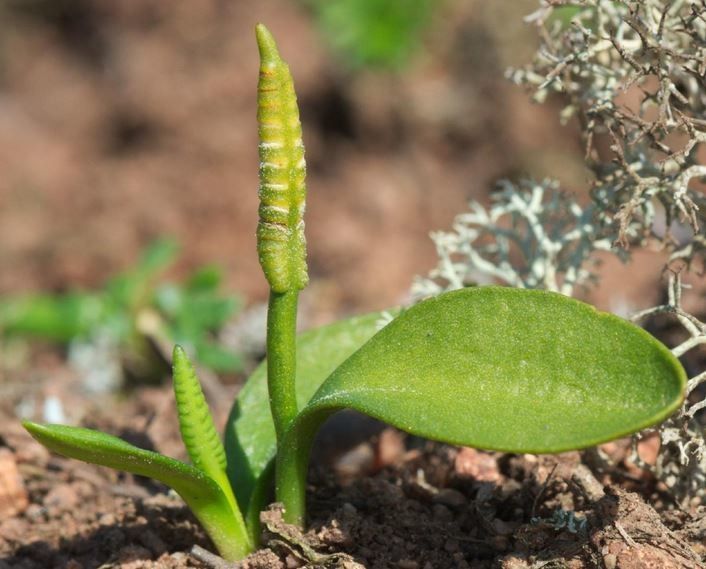
Ophioglossum azoricum, commonly known as the Azores Adder’s Tongue Fern, is a captivating plant with a name that sparks curiosity. This small, delicate fern, with its singular, tongue-shaped frond, holds a special allure for plant enthusiasts and conservationists alike. However, propagating this little fern is not for the faint of heart; it presents unique challenges due to its unusual life cycle and specific needs.
Understanding the Challenge:
Ophioglossum azoricum reproduces through spores, like other ferns, but things get a bit more complicated than simply scattering spores on moist soil. This species relies on a symbiotic relationship with specific mycorrhizal fungi present in the soil for successful germination. These fungi form a mutually beneficial partnership with the fern’s roots, facilitating nutrient exchange and playing a crucial role in the early stages of the plant’s development.
Methods of Propagation:
Spore Collection and Preparation:
- Spores should be collected from mature fronds when the sporangia (spore-bearing structures) darken.
- Gently tap the frond over a sheet of white paper to release the spores.
- It’s important to use spores immediately for best results, as their viability decreases with time.
Creating the Right Growing Medium:
- A sterile, peat-based mix with a slightly acidic pH is ideal.
- The growing medium must be able to retain moisture while providing good drainage.
- Sterilizing the medium before sowing is crucial to minimize the risk of introducing competing fungi.
Sowing the Spores:
- Sprinkle the spores thinly over the surface of the prepared medium and gently mist them with water.
- Avoid burying the spores as they need light for germination.
Providing the Ideal Environment:
- Keep the container in a warm, humid environment with indirect light.
- Covering the container with a clear plastic bag or humidity dome can help maintain moisture levels.
- Germination is a slow process and may take several months or even longer.
- The Mycorrhizal Mystery:
- The success of Ophioglossum azoricum spore germination hinges on the presence of the right mycorrhizal fungi.
- While it’s challenging to introduce these fungi intentionally, using a small amount of soil collected from the base of a healthy Ophioglossum plant might increase the chances of successful colonization.
Patience is Key:
Propagating Ophioglossum azoricum is a waiting game, often requiring a great deal of patience and a touch of luck. It’s crucial to maintain consistent moisture and avoid overwatering, which can lead to fungal diseases. If successful, tiny, heart-shaped gametophytes (a different stage in the fern’s life cycle) will emerge first. These will eventually give rise to the familiar, tongue-shaped fronds.
A Rewarding Pursuit:
While propagating Ophioglossum azoricum is undeniably challenging, seeing a new generation of these fascinating ferns unfurl their fronds brings immense satisfaction. By understanding the plant’s intricate life cycle and replicating its natural growing conditions as closely as possible, enthusiasts can contribute to the conservation of this rare and wonderful species.