
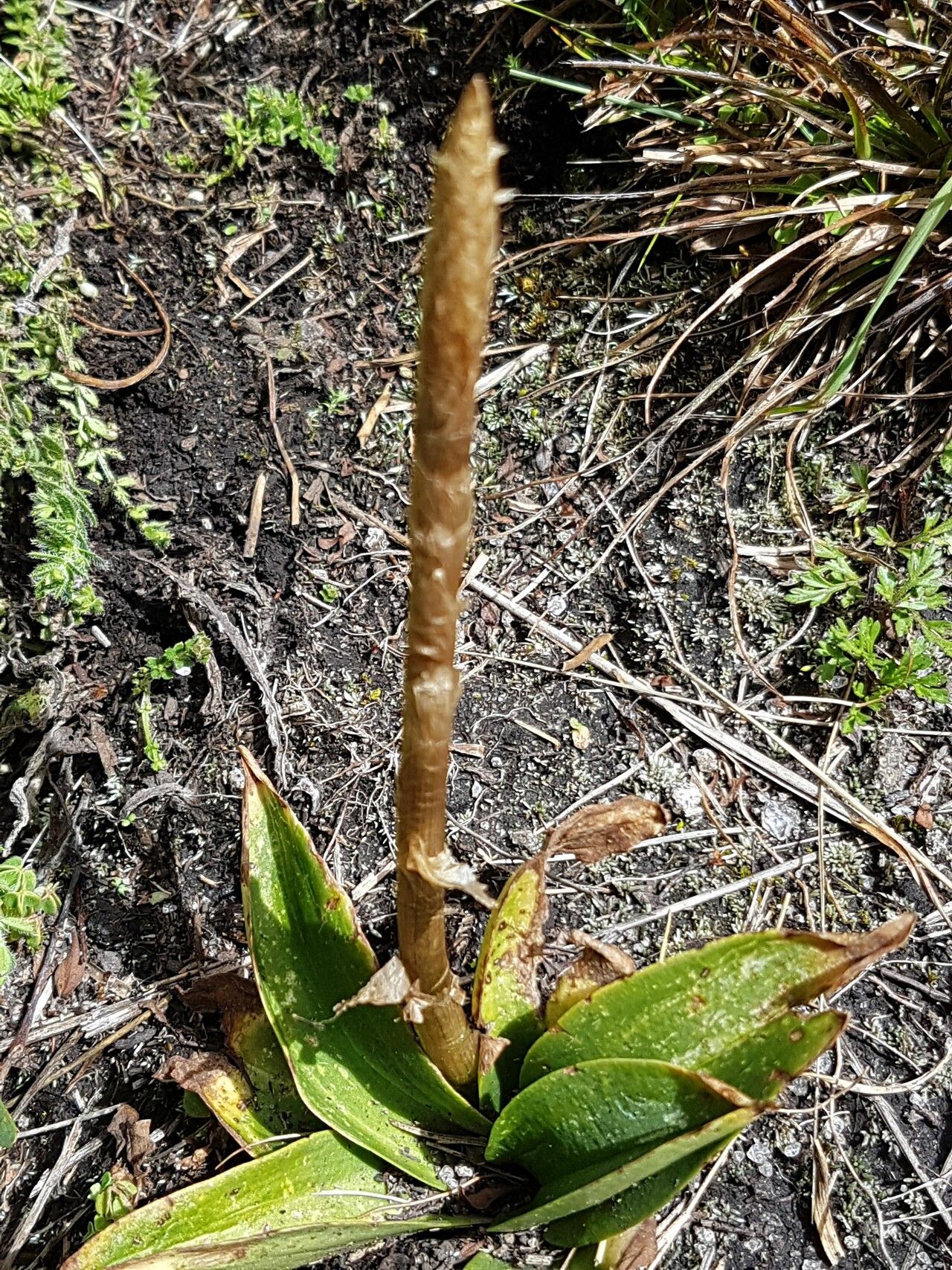
Unraveling the Mystery: Can You Propagate Adder’s-Tongue Fern?
The Adder’s-Tongue fern, scientifically known as Ophioglossum crotalophoroides, is a fascinating plant with an intriguing name and an equally intriguing growth habit. This unique fern, with its single, tongue-shaped frond, is a sight to behold in the wild. But can you bring this captivating plant into your garden?
The answer, unfortunately, is a resounding no when it comes to propagation. Unlike many ferns that can be propagated through spores or division, the Adder’s-Tongue fern is notoriously difficult to cultivate and reproduce.
Why Is Propagation So Difficult?
The Adder’s-Tongue fern, a member of the Ophioglossaceae family, is a fascinating plant that forms a symbiotic relationship with a specific type of fungus in the soil. This relationship is crucial for the fern’s survival, and it’s one of the main reasons why propagation proves challenging.
- Spore Dependency: While the fern produces spores, they don’t readily germinate outside their natural environment. The intricate relationship with the specific fungal partner is essential for spore germination and seedling development.
- Mycorrhizal Connection: The fungus provides essential nutrients to the fern while the fern provides carbohydrates produced through photosynthesis. This symbiotic relationship is extremely delicate and difficult to replicate in a controlled environment.
- Environmental Sensitivity: The Adder’s-Tongue fern thrives in specific conditions, usually damp, shady forests with specific soil composition. Attempts to cultivate it outside this natural habitat often fail due to the disruption of this delicate balance.
Alternative Ways to Appreciate the Adder’s-Tongue Fern
While home propagation isn’t feasible, you can still enjoy the beauty of this rare and fascinating fern:
- Observe in the Wild: Embrace the opportunity to admire the Adder’s-Tongue fern in its natural habitat. Look for it in moist, shady forests or alongside stream banks where it naturally occurs.
- Support Conservation Efforts: Organizations dedicated to plant conservation often work to preserve rare and endangered species like the Adder’s-Tongue fern. You can contribute to their efforts through donations or volunteering.
- Focus on Other Fern Varieties: While the Adder’s-Tongue fern is a captivating species, there are numerous other fern varieties that are easier to grow and propagate. Explore different options and discover the beauty of ferns in your own garden.
The Mystery Continues:
The Adder’s-Tongue fern remains a fascinating enigma for plant enthusiasts and scientists alike. While its propagation remains a challenge, its unique life cycle and symbiotic relationship with fungi highlight the intricate web of interactions in the natural world. By understanding and appreciating this fascinating plant, we can contribute to its conservation and ensure its continued existence in the wild.