
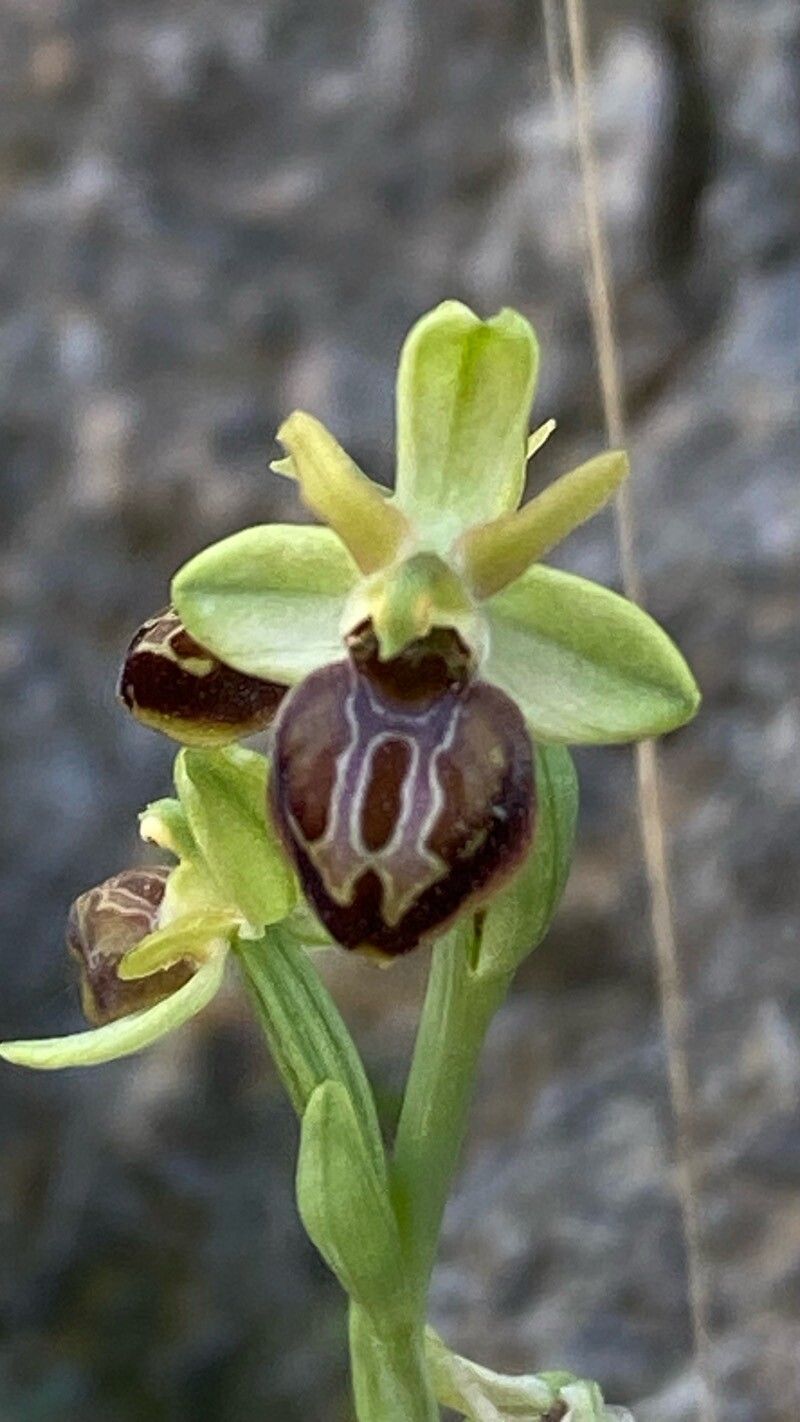
Unveiling the Secrets of Ophrys cretica: From Seeds to Blooms
Ophrys cretica, also known as the “Cretan Ophrys”, is a captivating wild orchid that enchants with its intricate beauty and peculiar pollination strategy. While admiring these stunning blooms in their natural habitat is a treat, for many, the desire to cultivate this wonder arises. But how can one bring the magic of Ophrys cretica home? The answer lies in the intriguing world of orchid propagation.
The Challenge: A Delicate Dance of Nature
Propagating Ophrys cretica is not for the faint of heart. It demands patience, understanding, and meticulous attention to detail. Unlike some other orchids, propagation through division is rarely successful. This is due to the orchid’s sensitive root system and the complex symbiotic relationship it shares with specific fungi in the soil.
The Key: Seed Propagation
The most successful method for propagating Ophrys cretica, and indeed most other orchids, lies in seed propagation. This process involves utilizing the delicate seeds produced by the orchid flowers. However, there’s a significant hurdle: orchid seeds lack the endosperm, the nutrient-rich tissue that sustains most plant embryos. This necessitates a special partnership.
The Symbiotic Relationship: Fungal Assistance
Ophrys cretica seeds require a symbiotic relationship with mycorrhizal fungi to germinate. These fungi, residing in the soil, supply the necessary nutrients for seed development. This intricate partnership is essential for the orchid’s life cycle.
The Process: A Journey of Patience
To propagate Ophrys cretica from seeds, a sterile environment and specialized media are required.
Collecting the Seeds: Carefully collect mature seed pods from healthy plants, ensuring they are fully ripened.
Sterile Environment: The seeds must be sown in a sterilized medium, such as a mix of peat moss, vermiculite, and perlite, to prevent contamination.
Mycorrhizal Association: The key to success lies in introducing the appropriate mycorrhizal fungi to the sterile medium. This often involves obtaining specialized fungal cultures from reputable sources.
Germination Process: The seeds are then sown into the inoculated medium and kept under controlled conditions. Germination can take several months, sometimes even years.
- Patience is Key: The seedlings are incredibly delicate and require meticulous care, including controlled humidity and temperatures. It can take multiple years for these tiny seedlings to develop into mature flowering plants.
Beyond Seeds: Alternative Approaches
While seed propagation is the most reliable method, alternative approaches like protocorm culture are also explored. This technique utilizes specialized tissue culture techniques to propagate orchids, but it demands sophisticated laboratory settings and specialized expertise.
A Rewarding Journey
Propagating Ophrys cretica from seeds is a challenging process, but the reward is immeasurable. Witnessing the germination of a tiny seed into a vibrant orchid with its intricate flowers is a triumph of nature and a testament to the dedication of the grower. By embracing the complexity of their life cycle, we can share the beauty of these captivating orchids with generations to come.