
From Pad to Patch: Propagating the Striking Opuntia basilaris
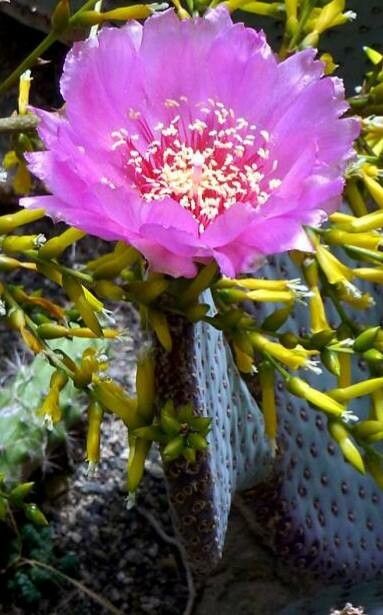
The Opuntia basilaris, also known as the Beavertail Cactus, is a stunning desert native with vibrant, paddle-shaped pads that resemble the tail of a beaver. Its captivating color palette, ranging from vibrant green to blue-grey with hints of purple, makes it a desirable addition to any garden. But how can you bring this unique plant into your own space? The answer lies in the fascinating world of cactus propagation.
The Power of Pads:
Opuntia basilaris, like many cacti, possesses an incredible ability to reproduce through pad cuttings. This method, often called “cloning,” allows you to create new plants identical to the parent. Here’s how it’s done:
- Choose the Right Pad: Select a healthy, mature pad from your existing Opuntia basilaris plant. It should be at least 6-8 inches long and free from any signs of disease or damage.
- Clean and Cut: Use a sharp knife or pruning shears to make a clean cut at the base of the pad. Ensure the cut is clean and straight to prevent rot.
- Let it Callus: Allow the cut end to dry and form a callus for about a week. This process helps the pad heal and prevent rot when planted.
- Potting Mix: Plant the pad in a well-draining cactus potting mix. The callused end should be in contact with the soil.
- Light & Water: Place the potted pad in a bright, sunny location, but avoid direct sunlight exposure. Water sparingly, allowing the soil to dry out completely between waterings.
Patience is Key:
Propagation of Opuntia basilaris can take time. It might take several weeks for roots to develop and for the pad to begin producing new growth. During this phase, maintain a consistent watering schedule and ensure optimal light conditions.
Additional Propagation Methods:
While pad cuttings are the most prevalent method, you can also propagate Opuntia basilaris through:
- Seeds: However, this process requires patience and proper care. Sow seeds in a well-draining mix and maintain consistent warmth and humidity.
- Offsets: Occasionally, the plant will produce smaller offshoots at the base. Carefully remove these offsets and plant them separately using the same method as pad cuttings.
Considerations for Success:
- Selecting a Healthy Parent Plant: The success of propagation depends heavily on the health of the source plant. Choose a thriving cactus with vibrant pads to maximize your chances of success.
- Proper Watering: Overwatering can be fatal for Opuntia basilaris. Let the soil dry out completely between waterings to prevent root rot.
- Ventilation: Ensure adequate airflow around your propagated plants. This helps prevent fungal infections and promotes healthy growth.
The Joy of Propagation:
Propagating Opuntia basilaris is a rewarding experience that allows you to expand your garden, share your passion for cacti, and appreciate the incredible resilience of this desert dweller. With a little patience and care, you can create a mini-desert of your own, filled with the vibrant colors and enduring beauty of the Beavertail Cactus.